Straight Answers
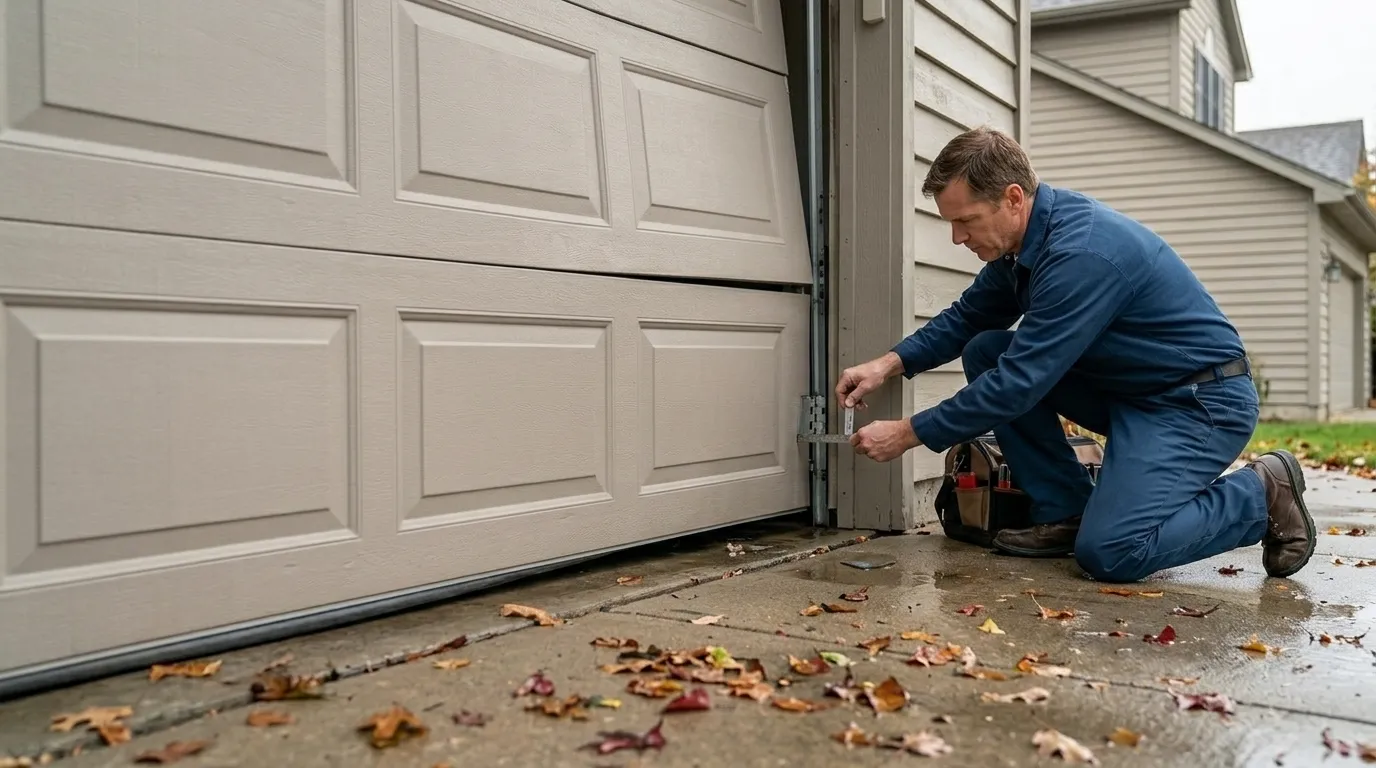
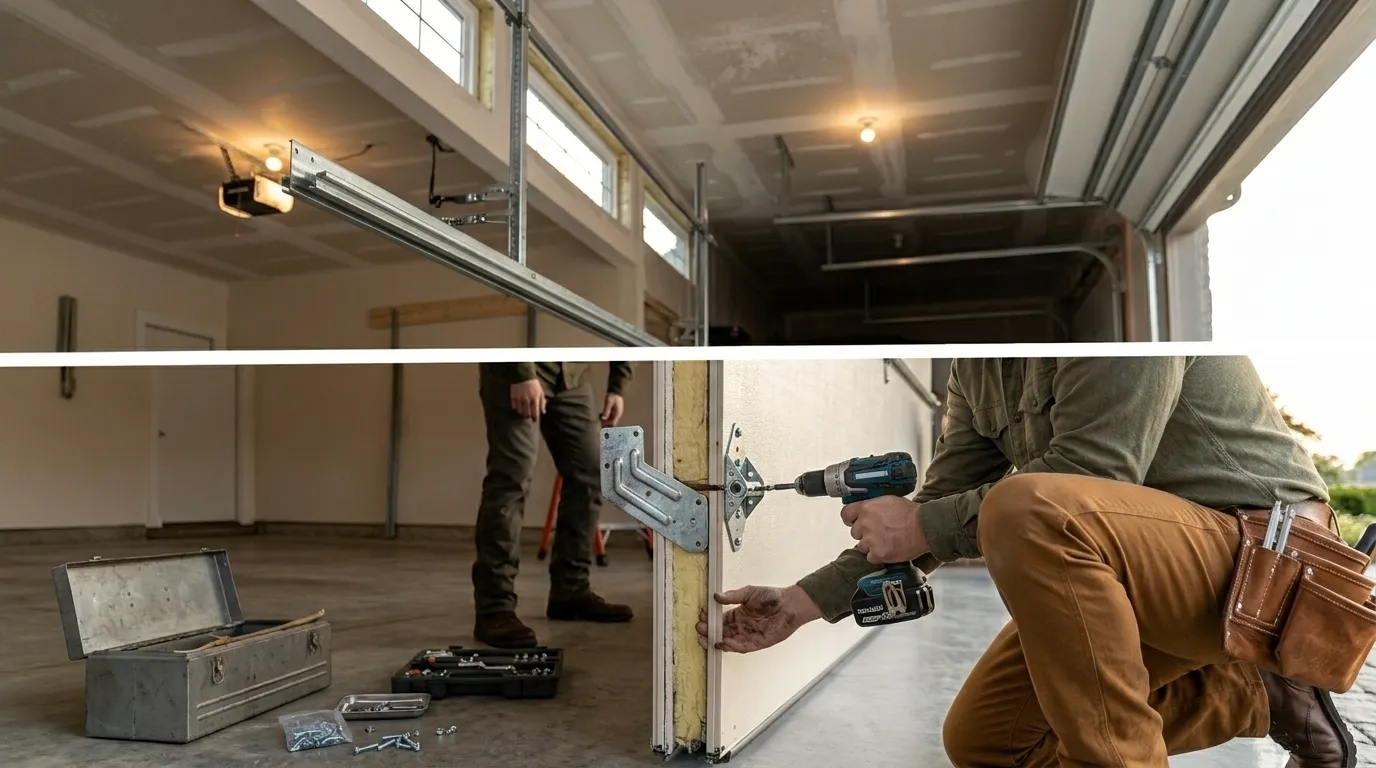
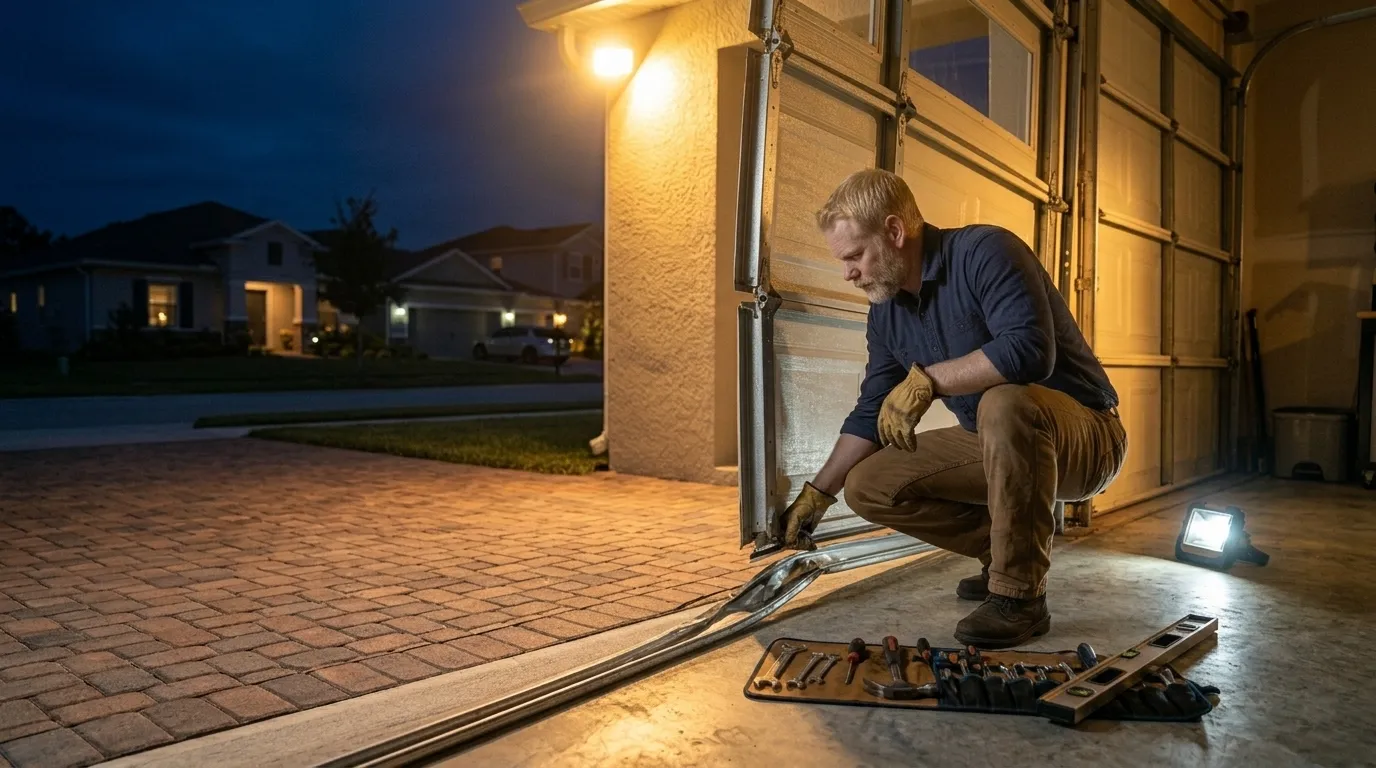
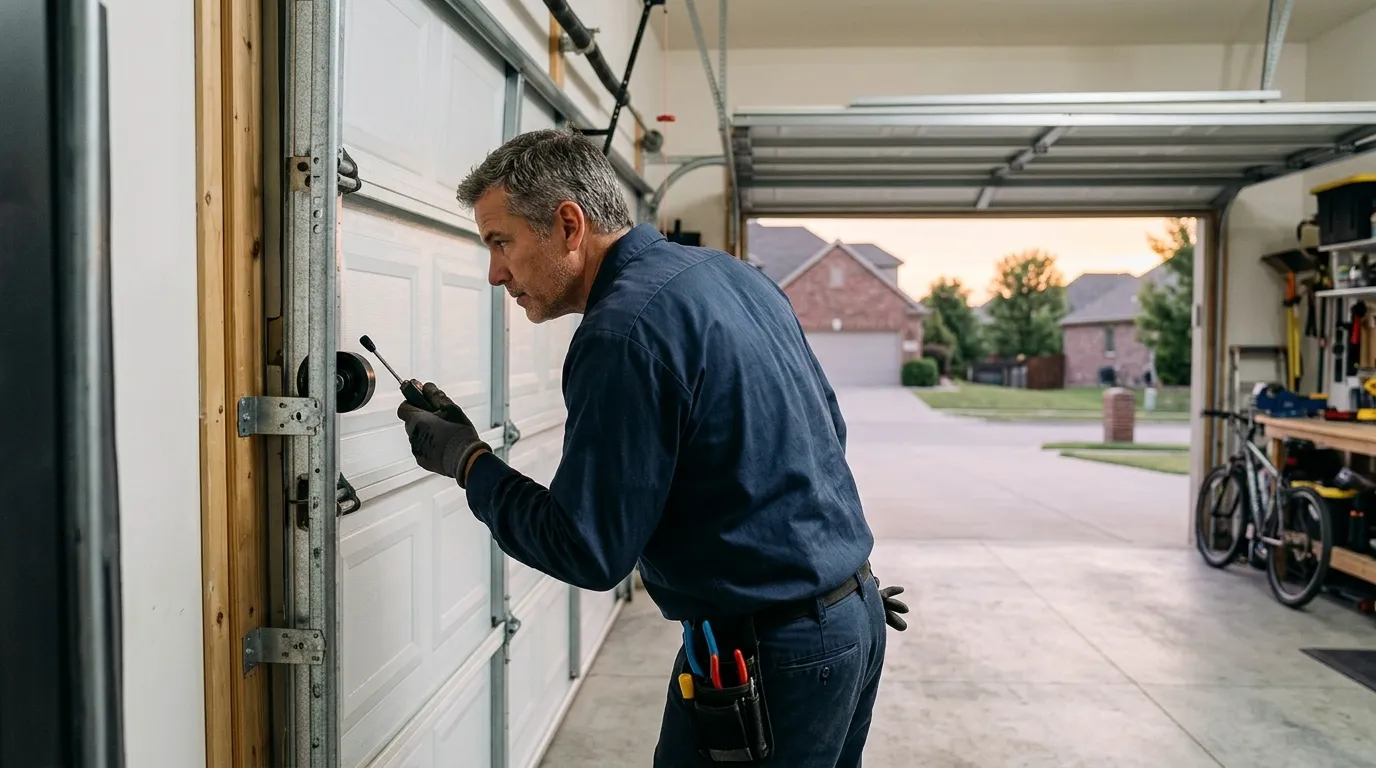
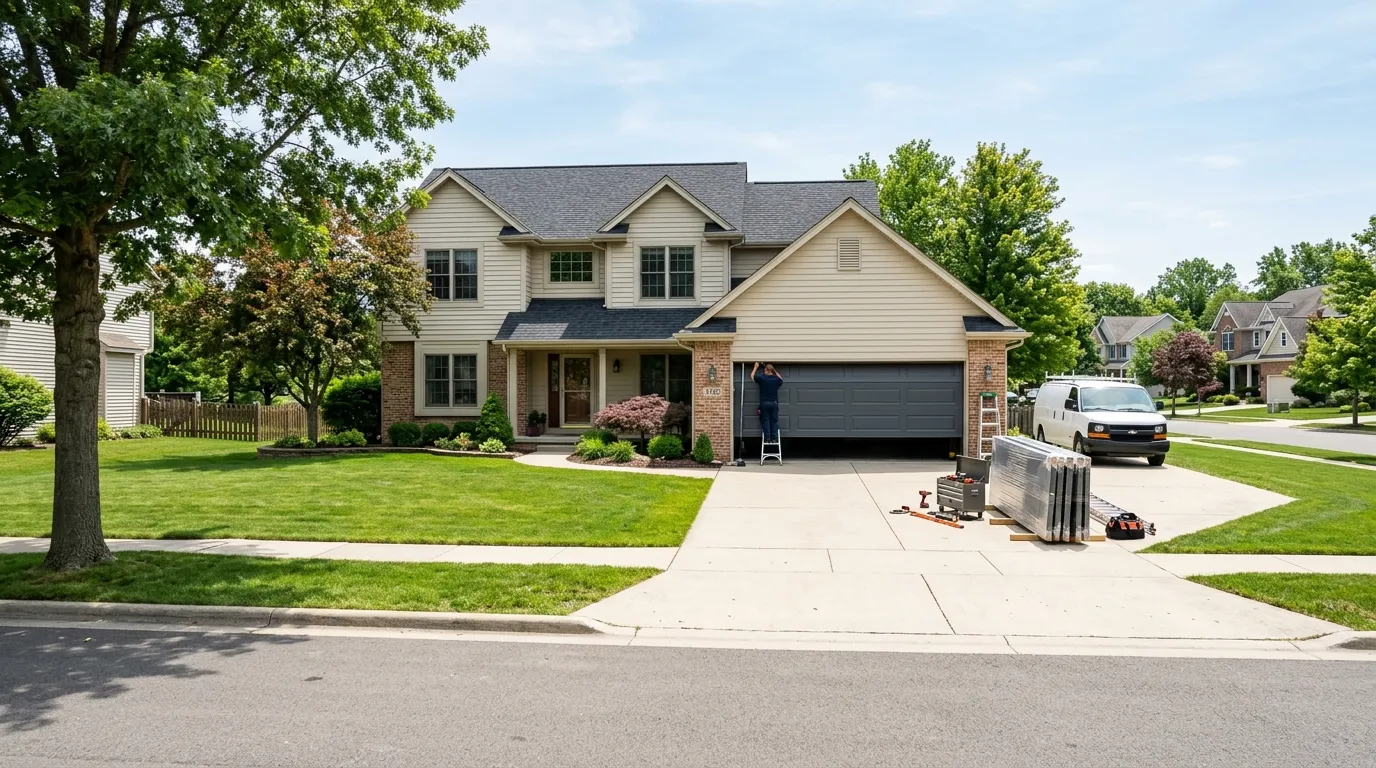
A lot of the calls we get from older houses in this part of Miami start the same way: the door is slow, or it's off-track, or it just stopped one morning. On a house from the 1960s or 70s stock that makes up most of this area, the first thing worth checking is whether the spring size actually matches the door - a lot of these have had a panel or two replaced over the decades, and a heavier replacement panel on an old spring wears out the cable and the opener drive gear faster than it should.
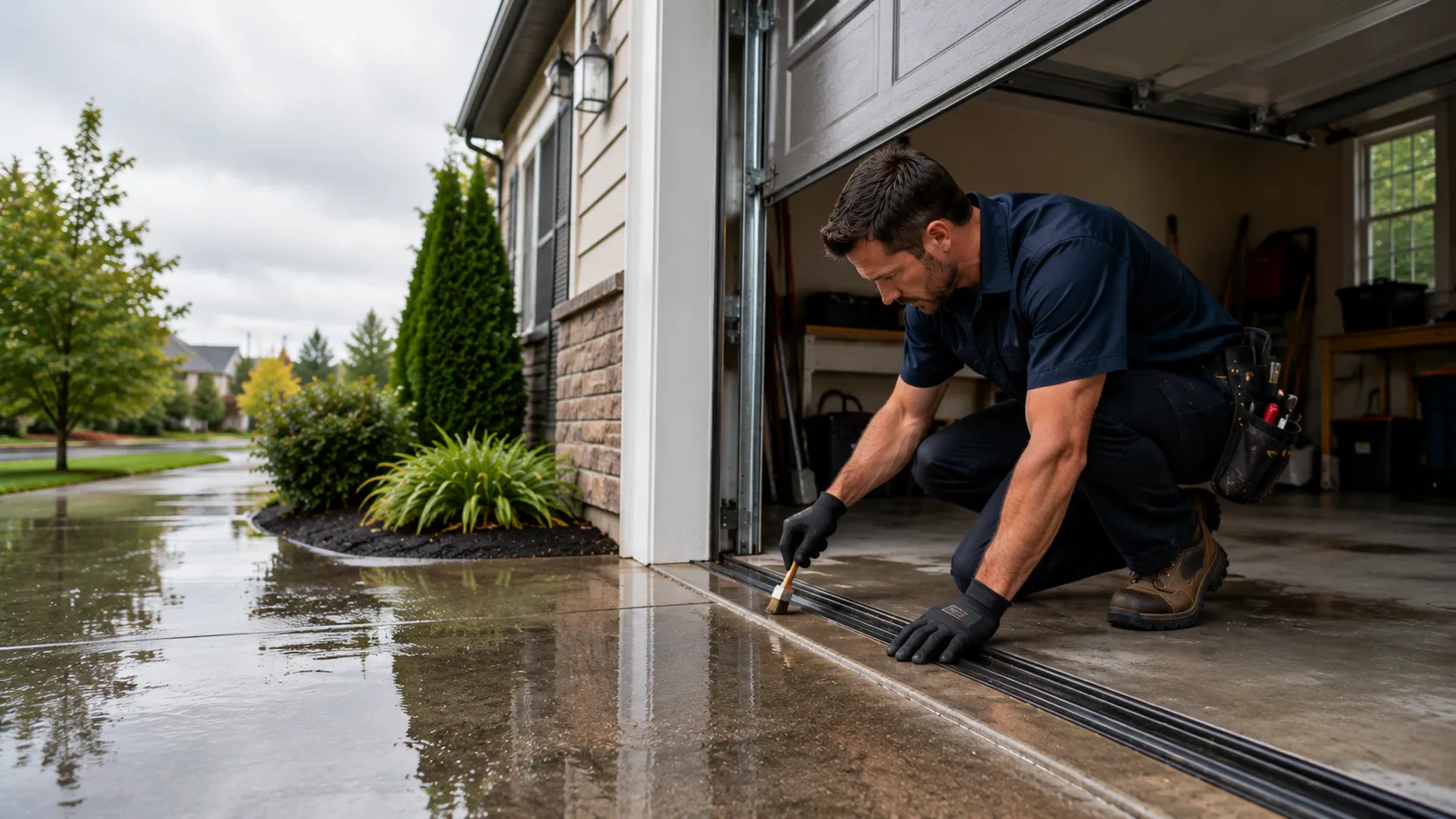
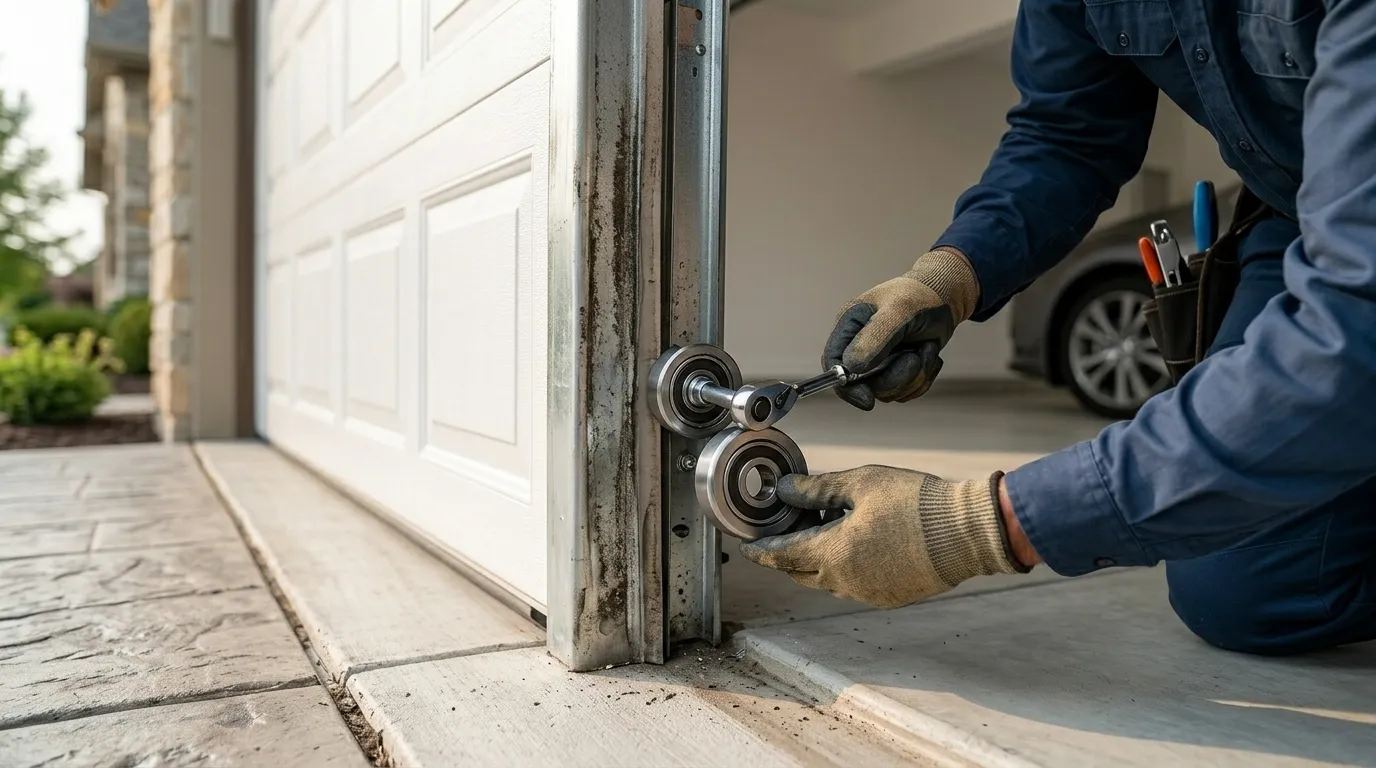
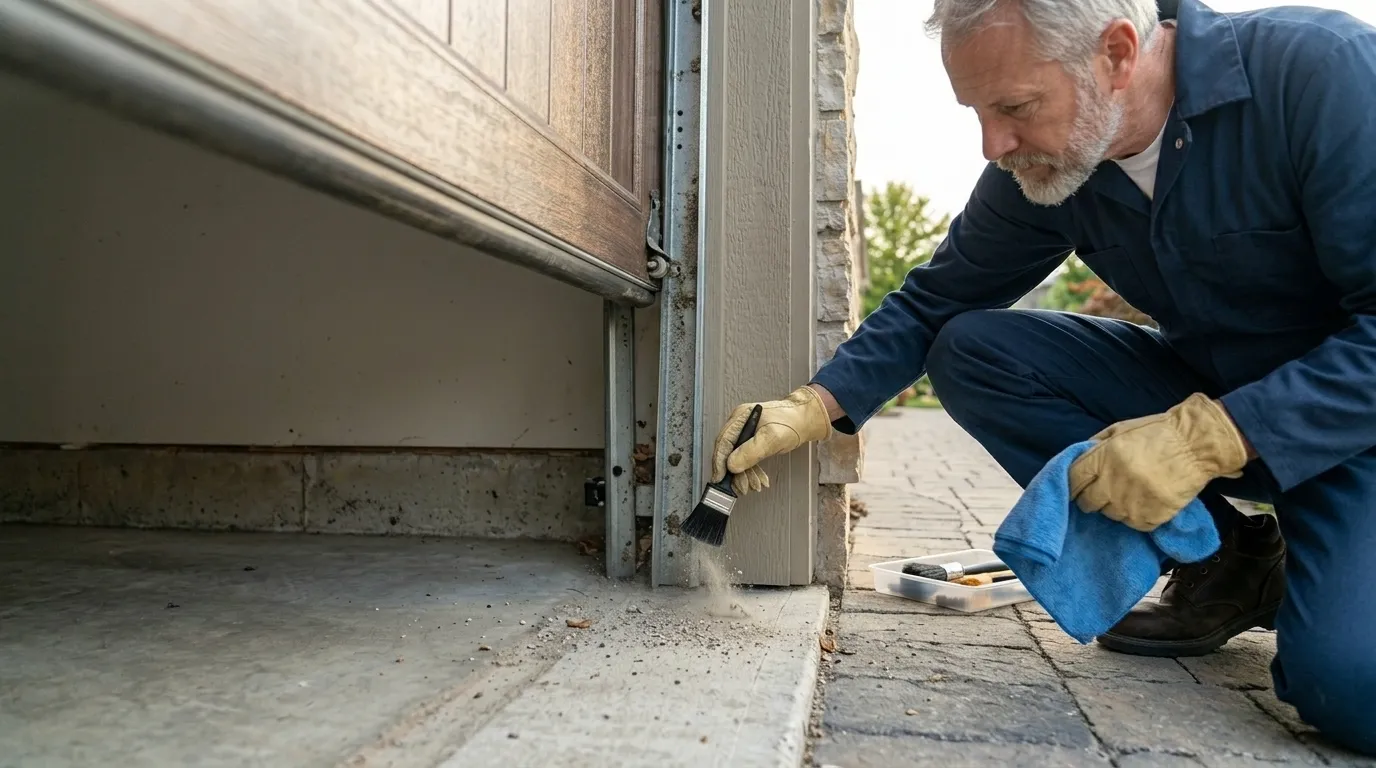
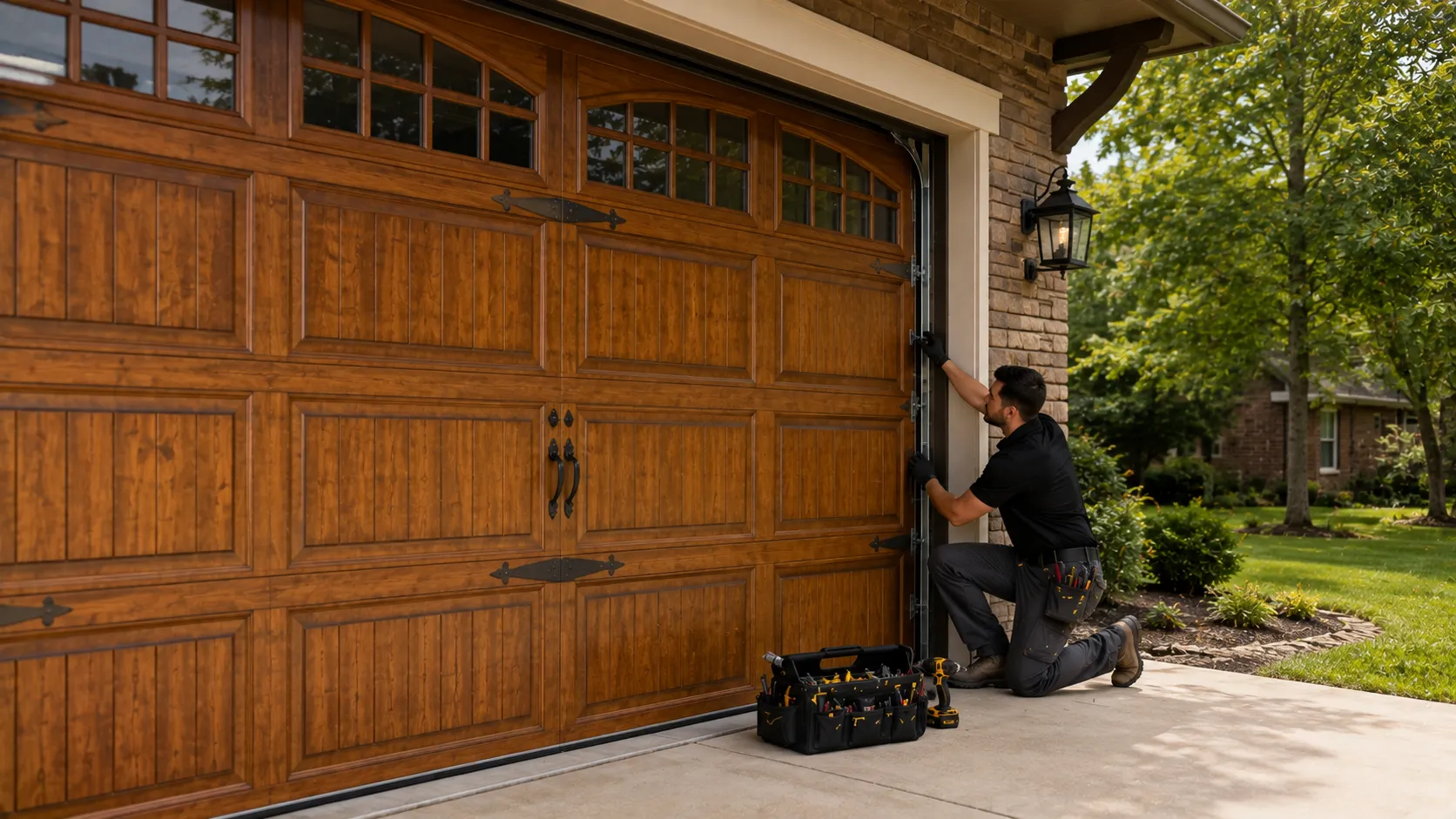
The climate here is mild temperate, so we're not dealing with the cold-snap spring failures that garages up north see every winter. What does wear these doors down here is humidity and salt air working on unprotected steel hardware over fifty-plus years. If your rollers or hinges are original, rust is usually the honest answer, not the opener.
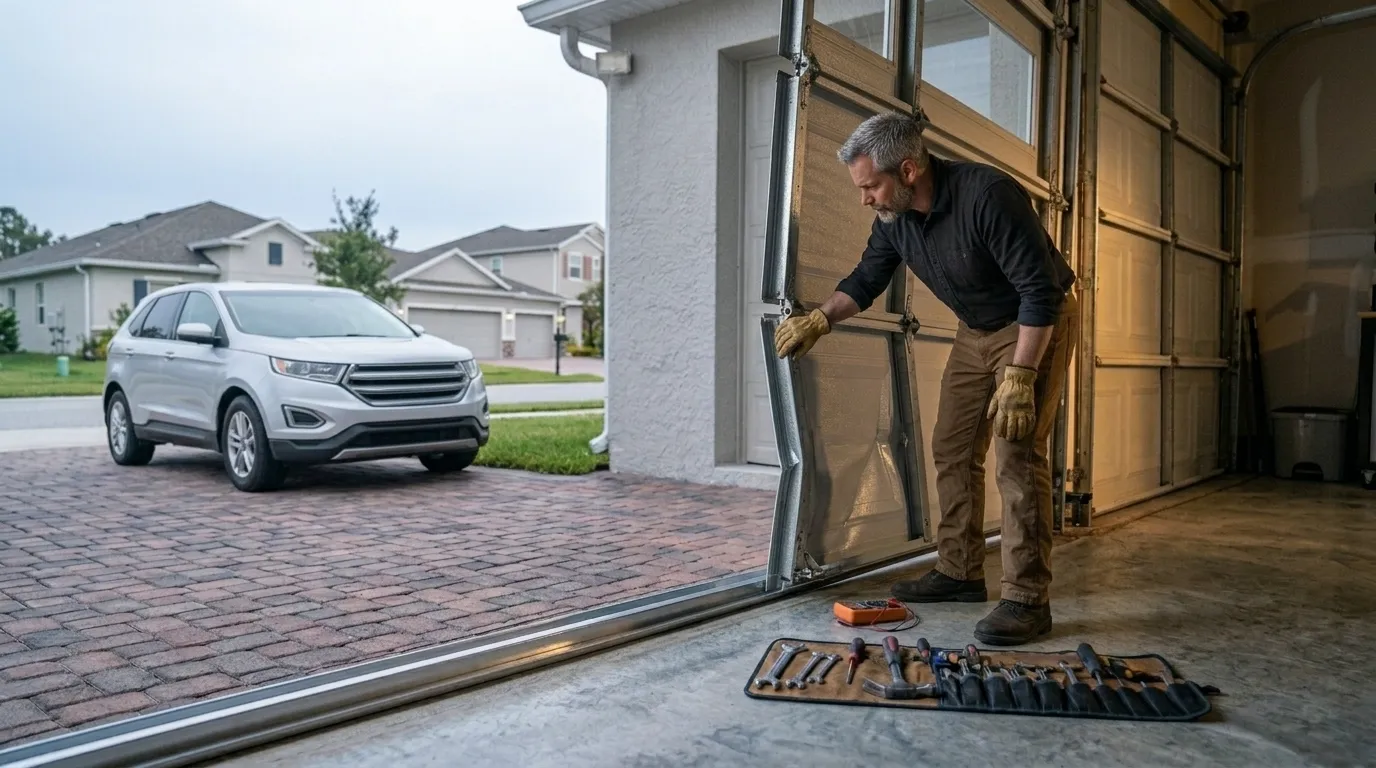
We'll say plainly: a door with a badly rusted track and a cracked panel is often a replacement job, not a repair. Patching a fifty-year-old door back together can cost close to what a new one runs, and it won't last. We'll tell you which side of that line your door is on before we start any work, not after.
Where This Is
Southwest Coconut Grove is on the southwest side of the city, roughly five miles from the center, with Coconut Grove proper about three miles to the southwest of downtown and Brickell about a mile southeast of downtown on the other side. It sits inland of the bay-facing part of the Grove, in the stretch of the county where housing dates mostly from 1953 to 2005 across the 54 named areas we track. We serve this pocket as part of that same coverage, without pretending to know every block by name.