Common Jobs Here
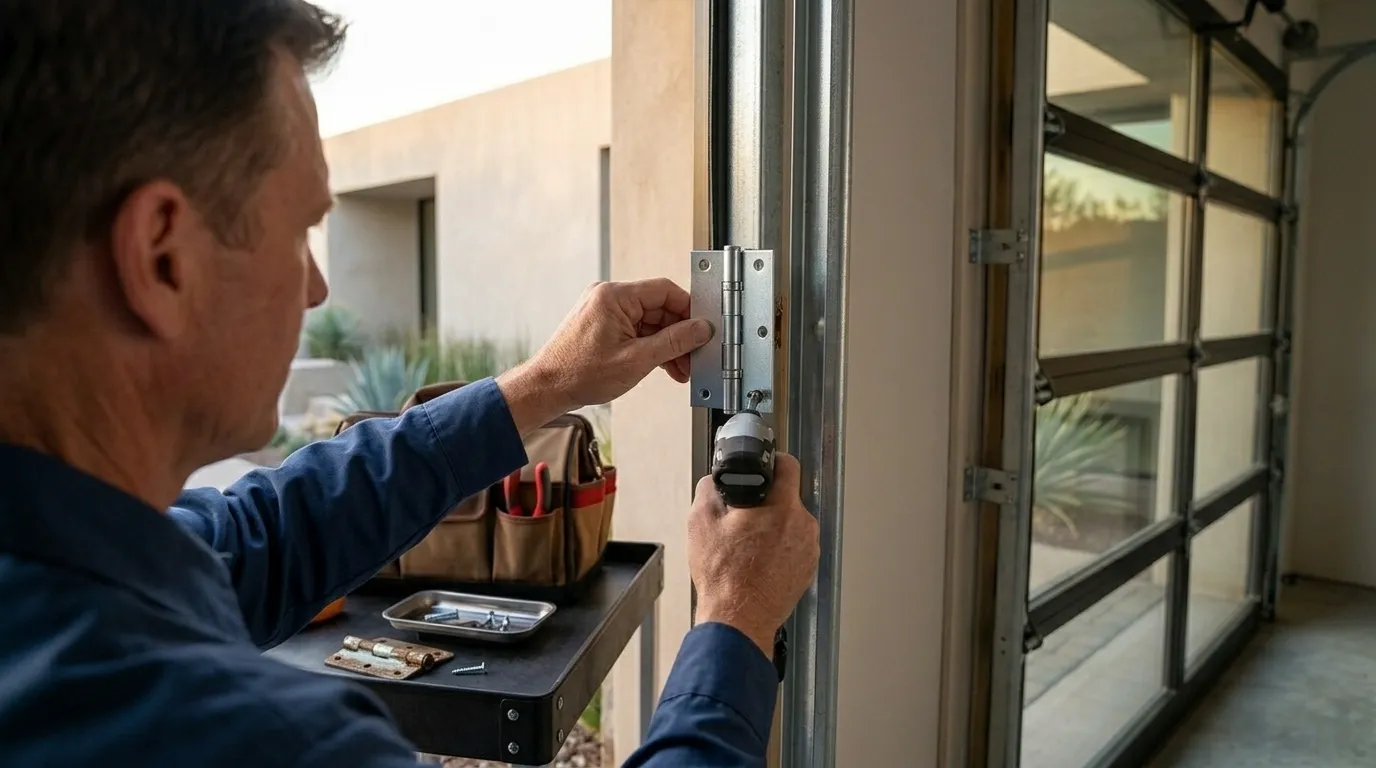
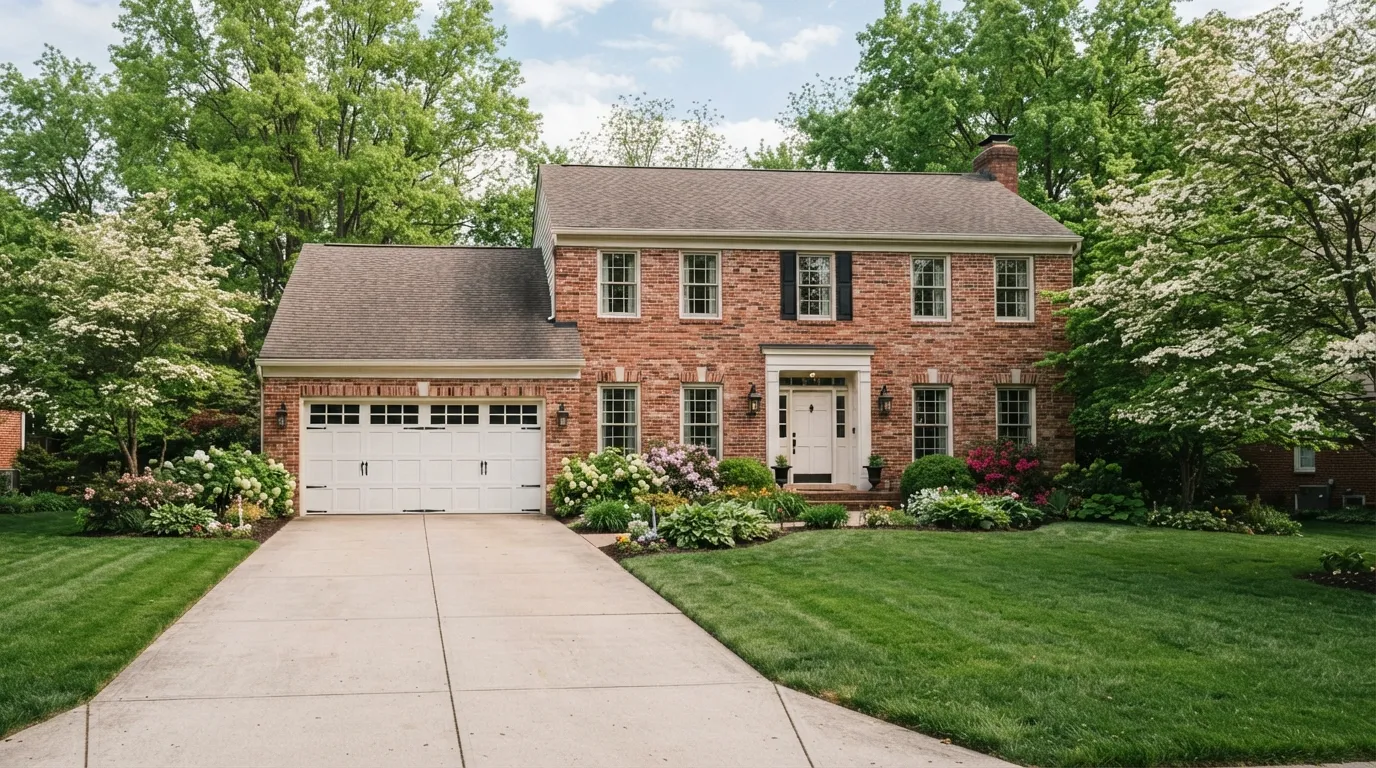
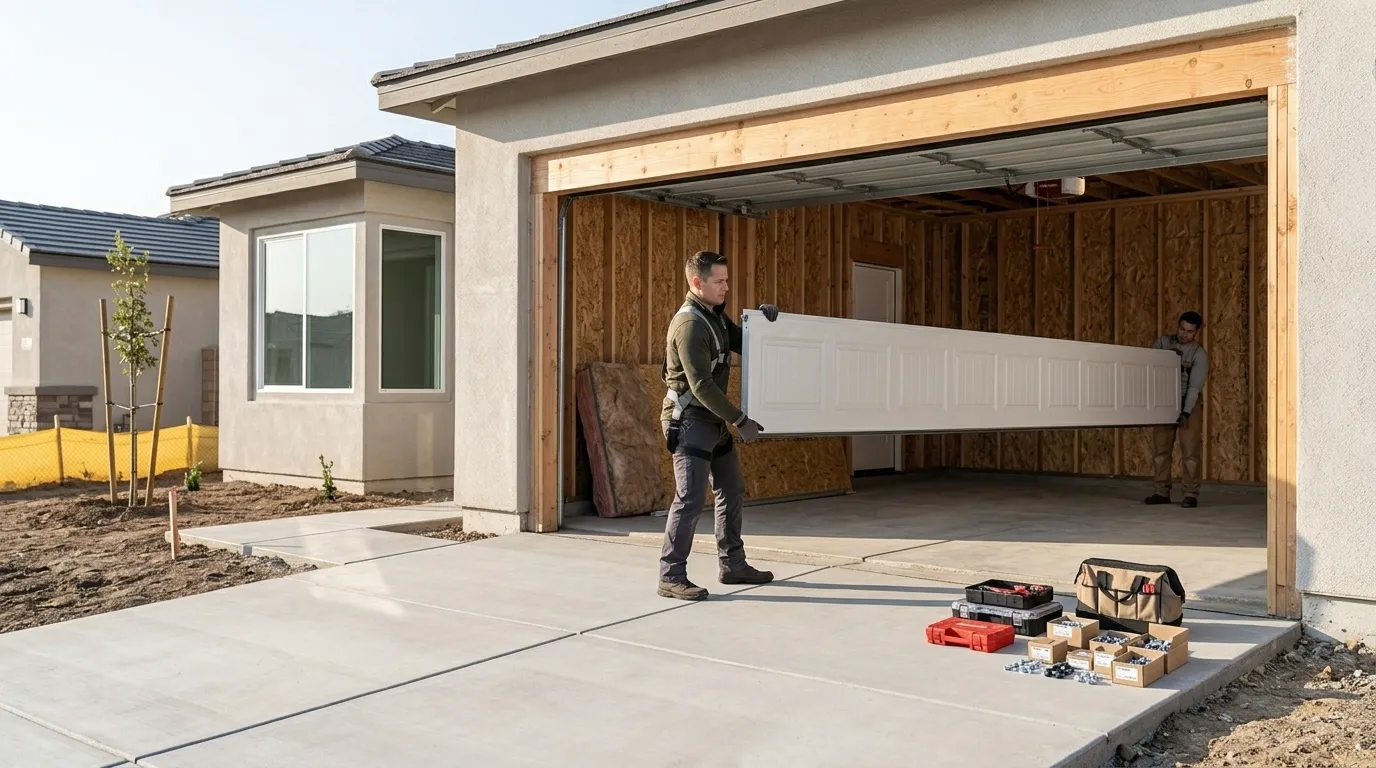
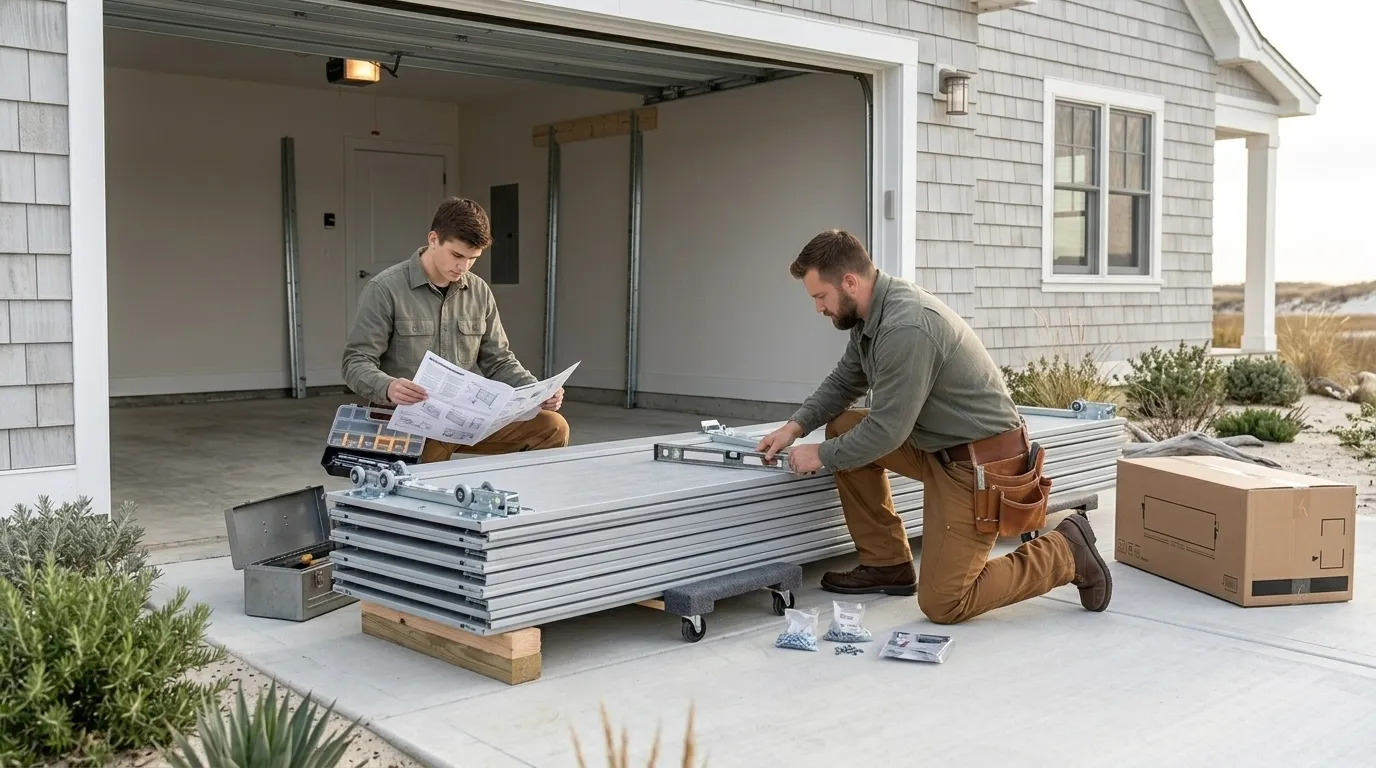
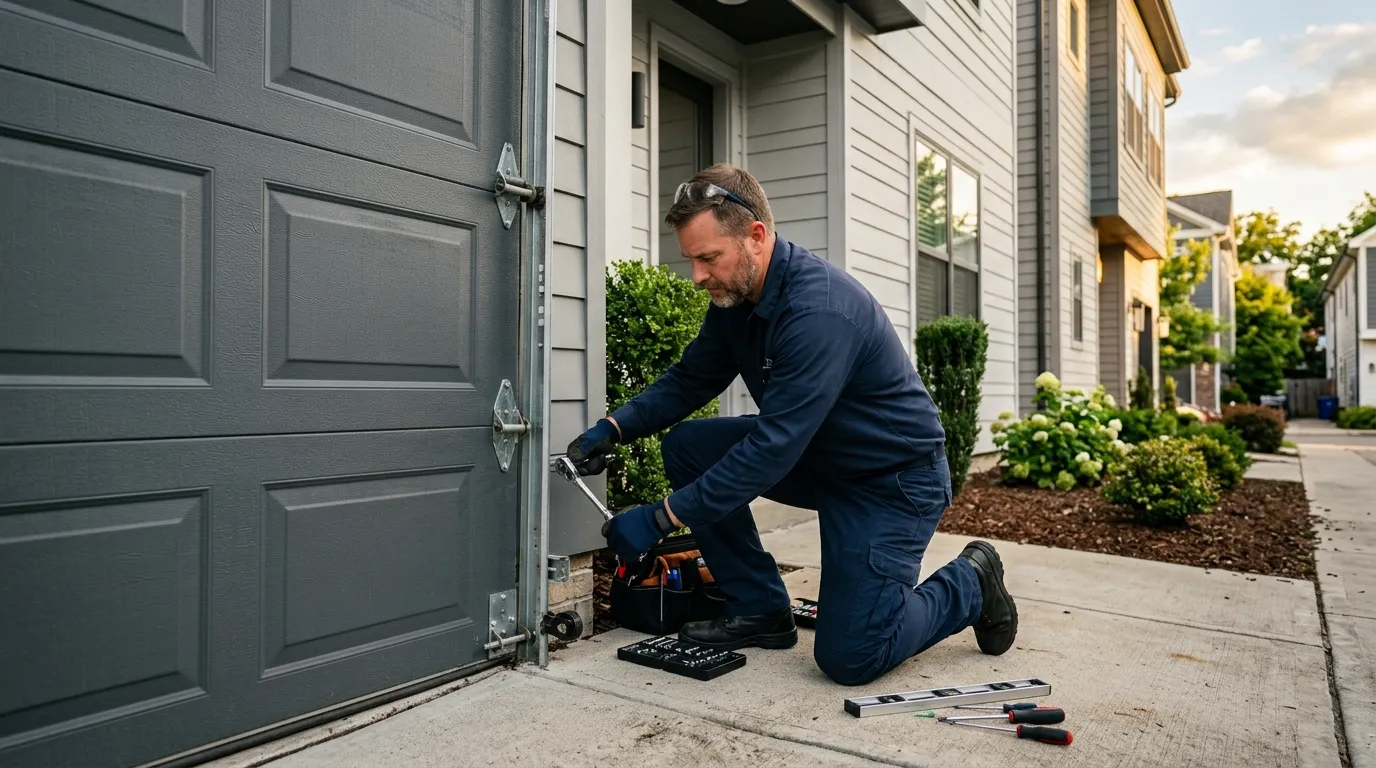
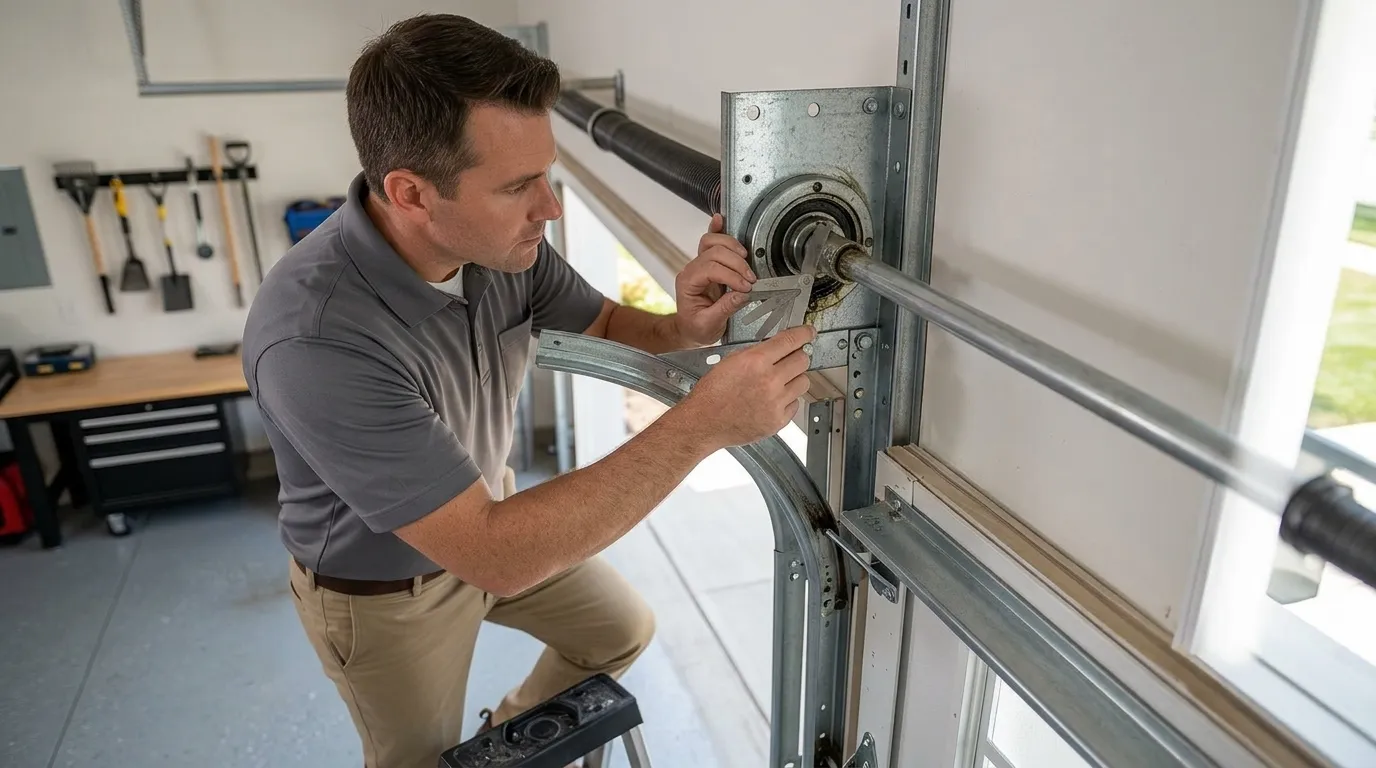
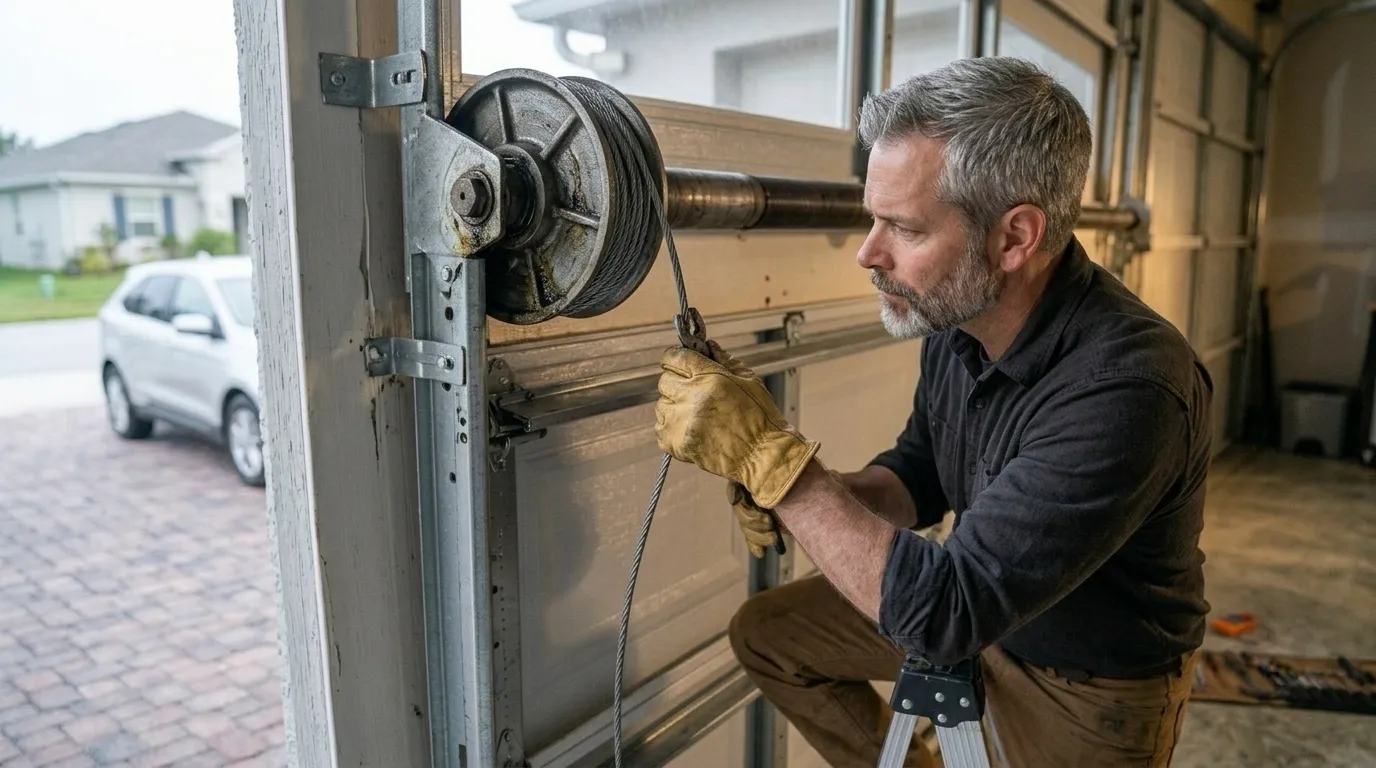
Because so much of Sunny Isles Beach went up around 1981, the doors and openers we get called on here are past the point where a patch job makes sense. A torsion spring rated for roughly 10,000 cycles that's been running since the early 1980s has had thirty-plus years to fatigue, and when it lets go on a double door, the whole assembly binds. We replace a fair number of those, plus the galvanized rollers and hinges that were standard in that build era and have since pitted from salt air.
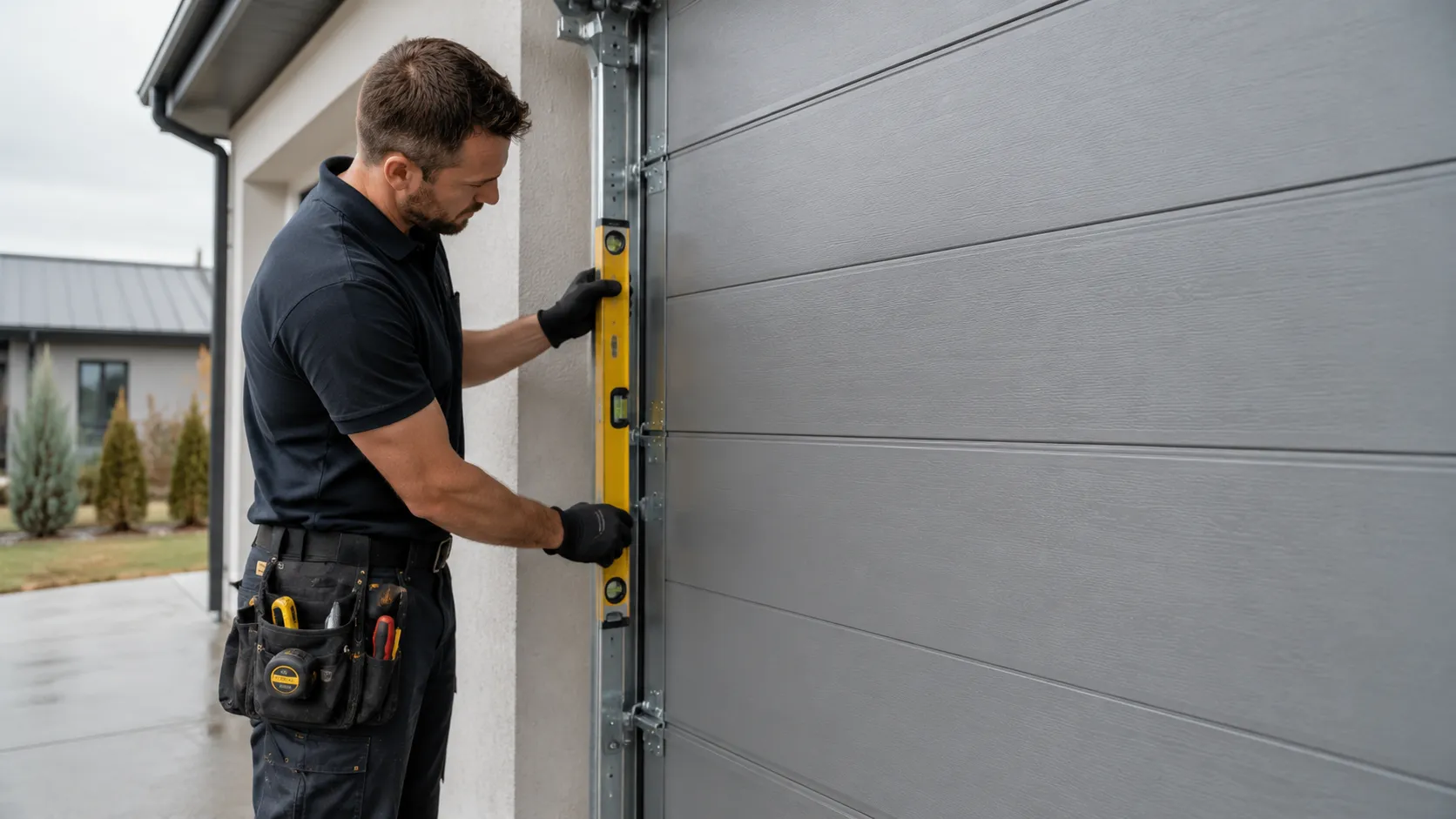
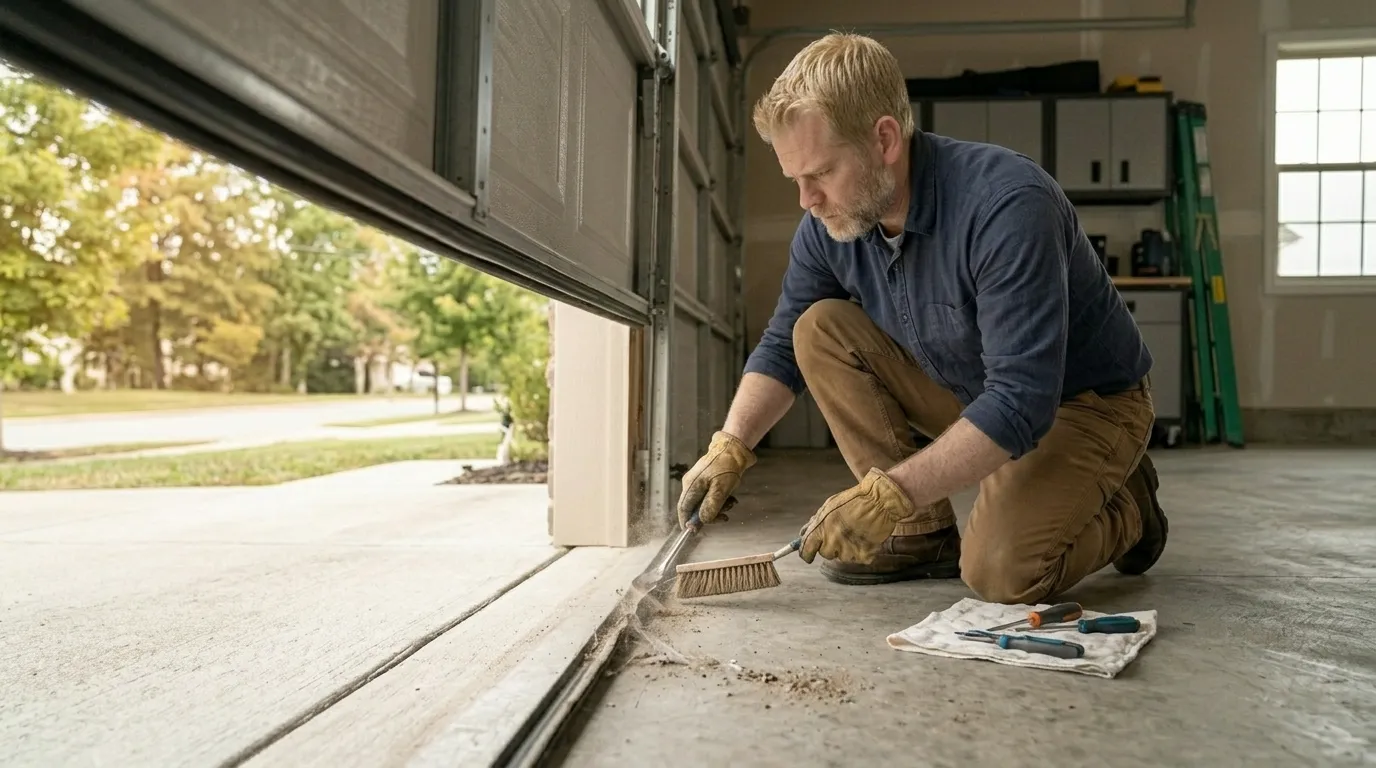
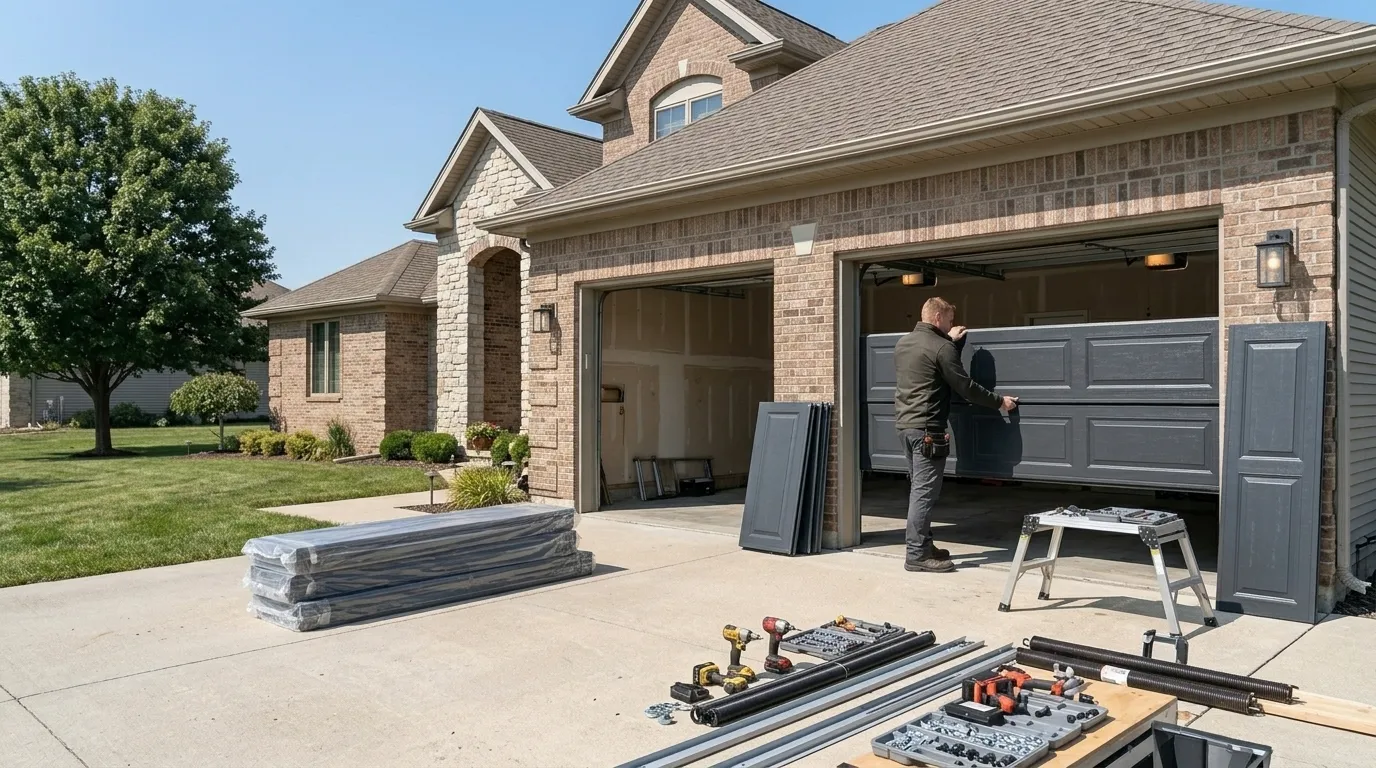
Openers from that same wave are usually chain-drive units with worn logic boards or burnt-out motors - repair parts for a unit that old often aren't stocked anywhere, so replacement is the realistic call rather than a repair we'd have to backorder. We also see track misalignment on older single-car doors where the framing has settled slightly over forty-plus years, which is common in a coastal building of this age. None of this is exotic work - it's the ordinary end-of-life pattern for hardware installed in the early 1980s and never swapped since.
What the Housing Means for Your Door
The median build year here is 1981, about five years newer than the 1976 median across the wider service area, which matters more than it sounds. Homes and low-rise buildings from that slightly later wave typically came with steel doors on torsion hardware already, not the older extension-spring setups you'd find in 1960s stock elsewhere in the county - so the failure mode here is usually a worn spring or a tired opener rather than a full hardware swap to bring a door up to code.
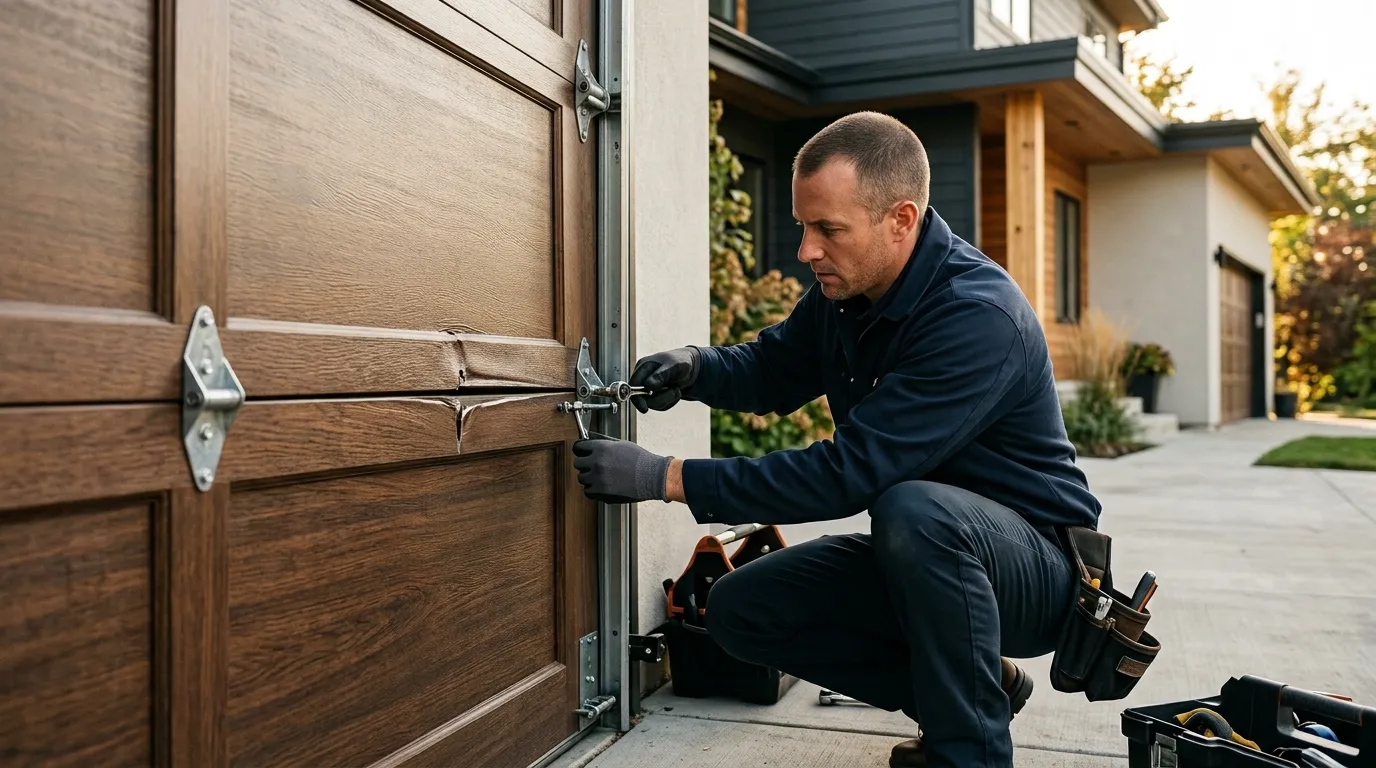
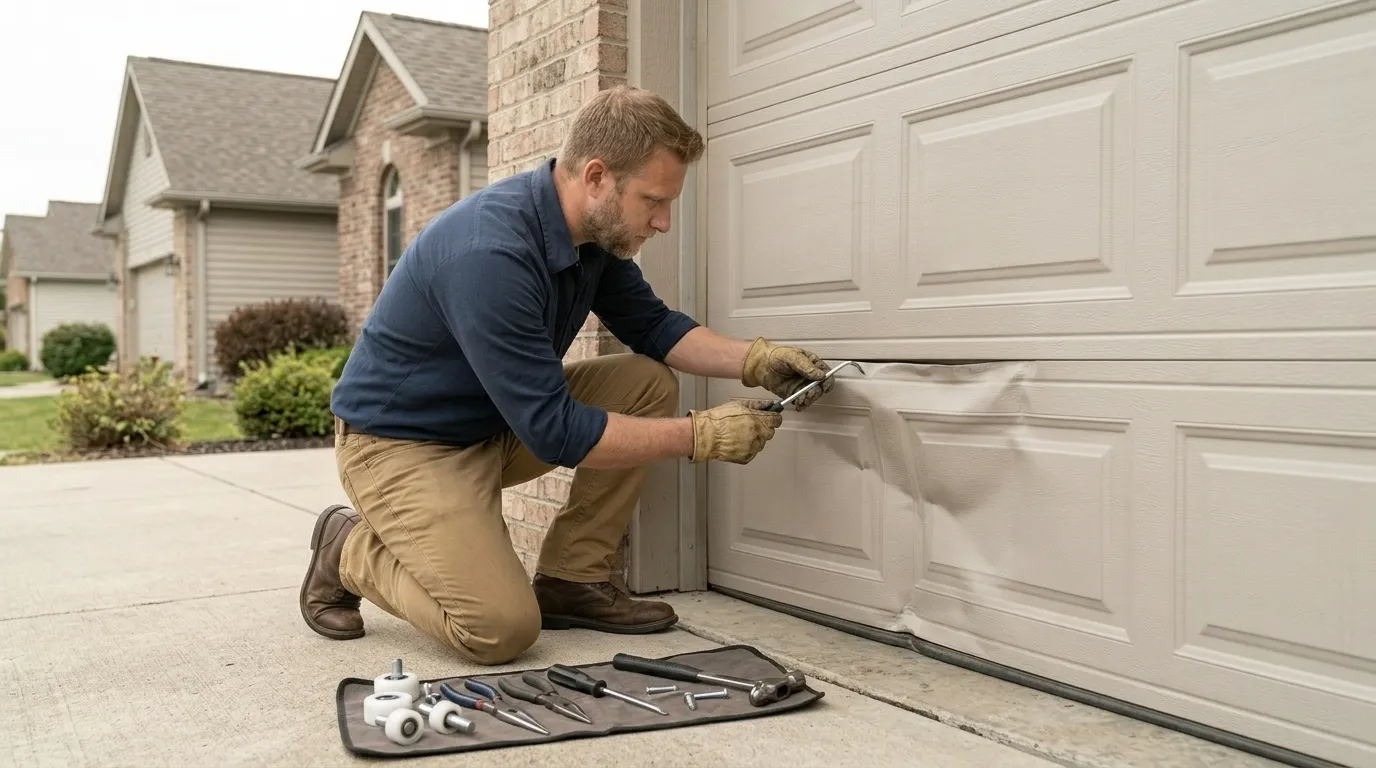
At a household income median of about $59,124 in Sunny Isles Beach, noticeably under the $71,020 median across the broader service area, we try to be straight about what's worth fixing versus replacing. A cracked panel on an otherwise sound 1981-era door can often be swapped without touching the rest of the assembly. A dead opener paired with a spring near failure is usually cheaper to handle together than in two separate visits.