Common Jobs Here
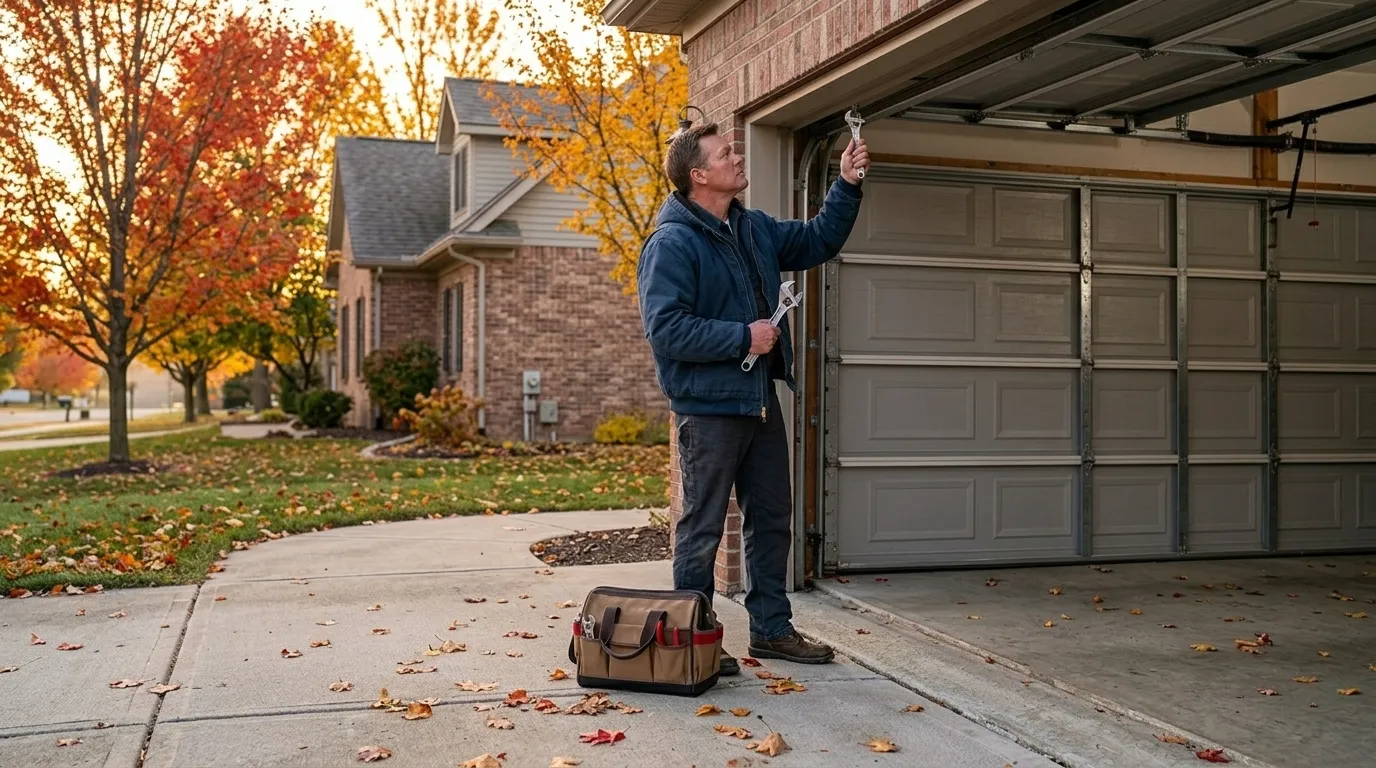
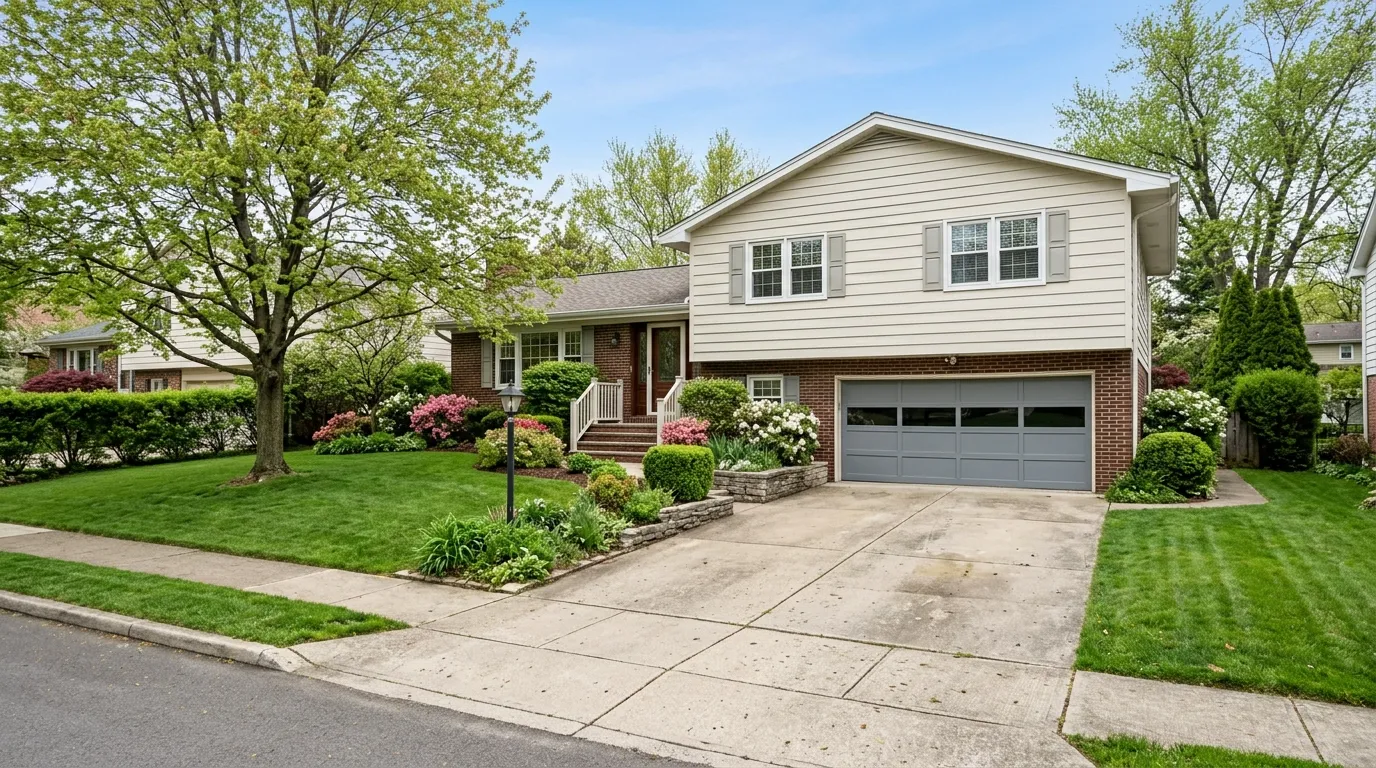
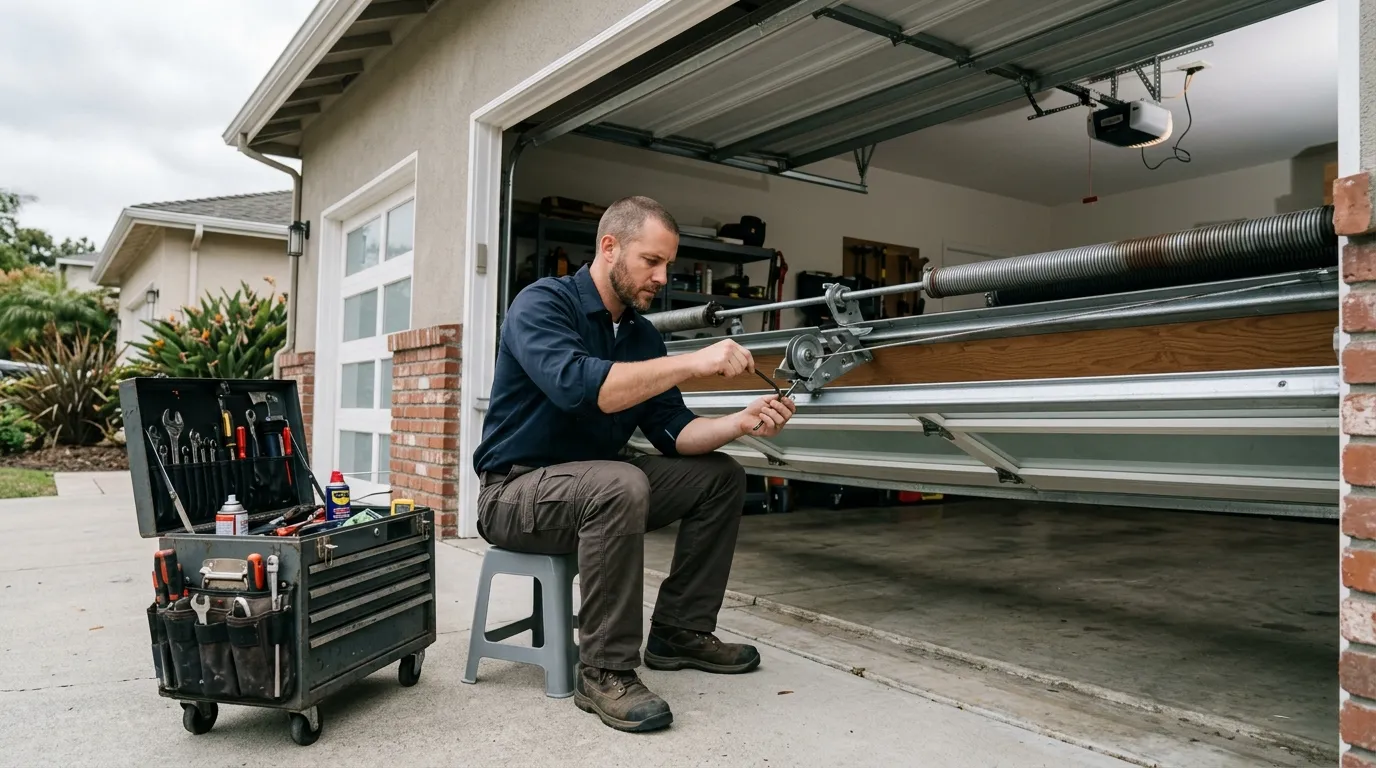
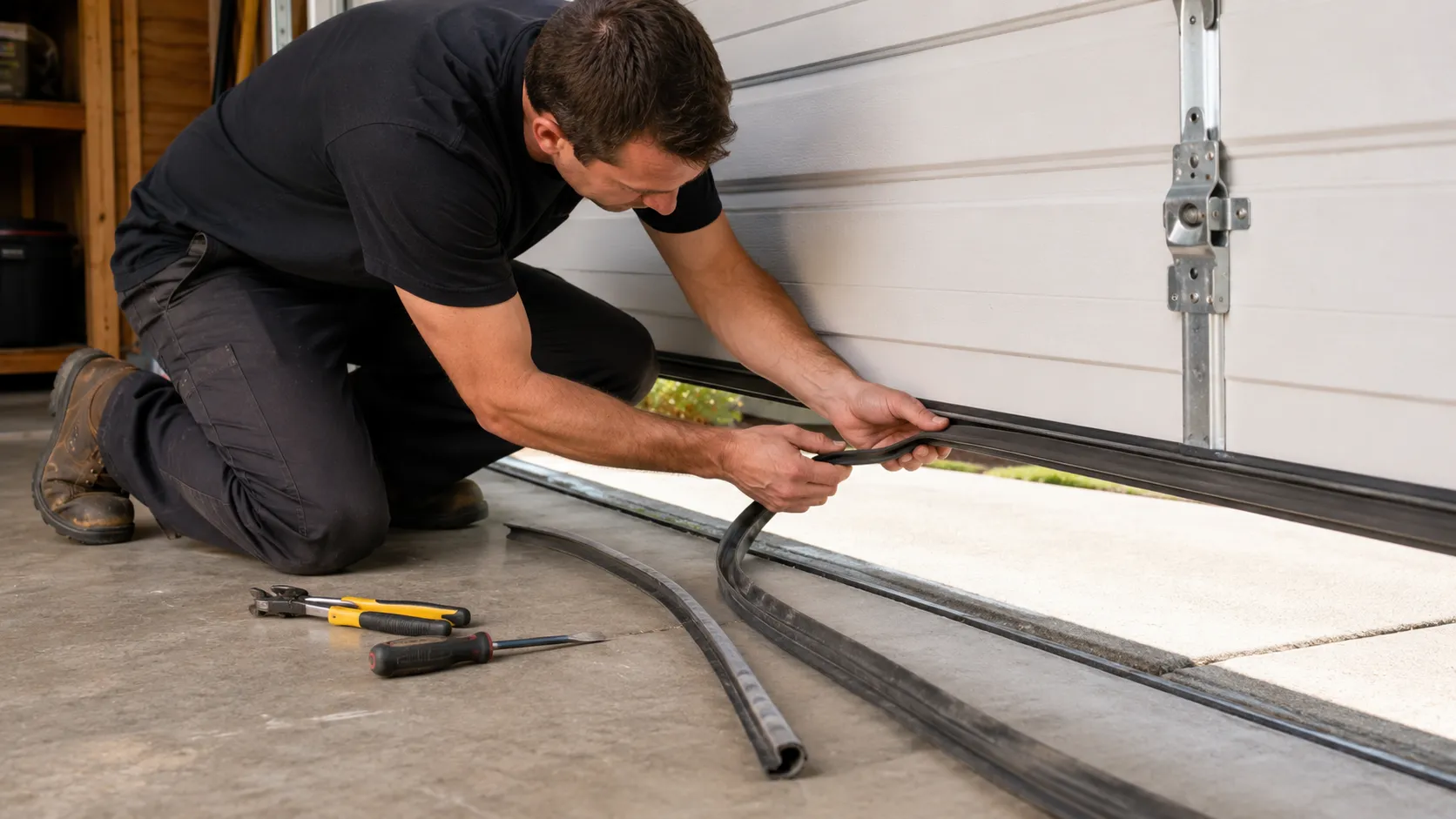
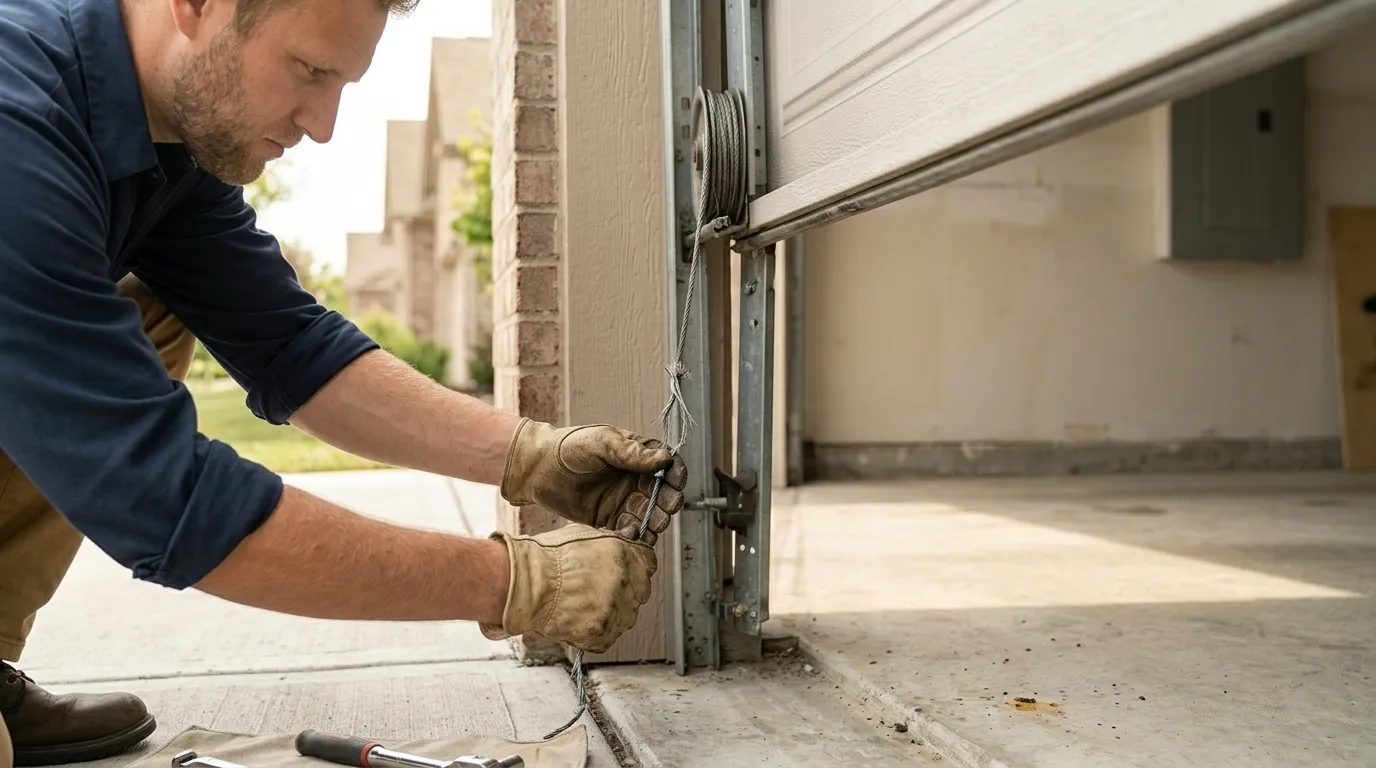
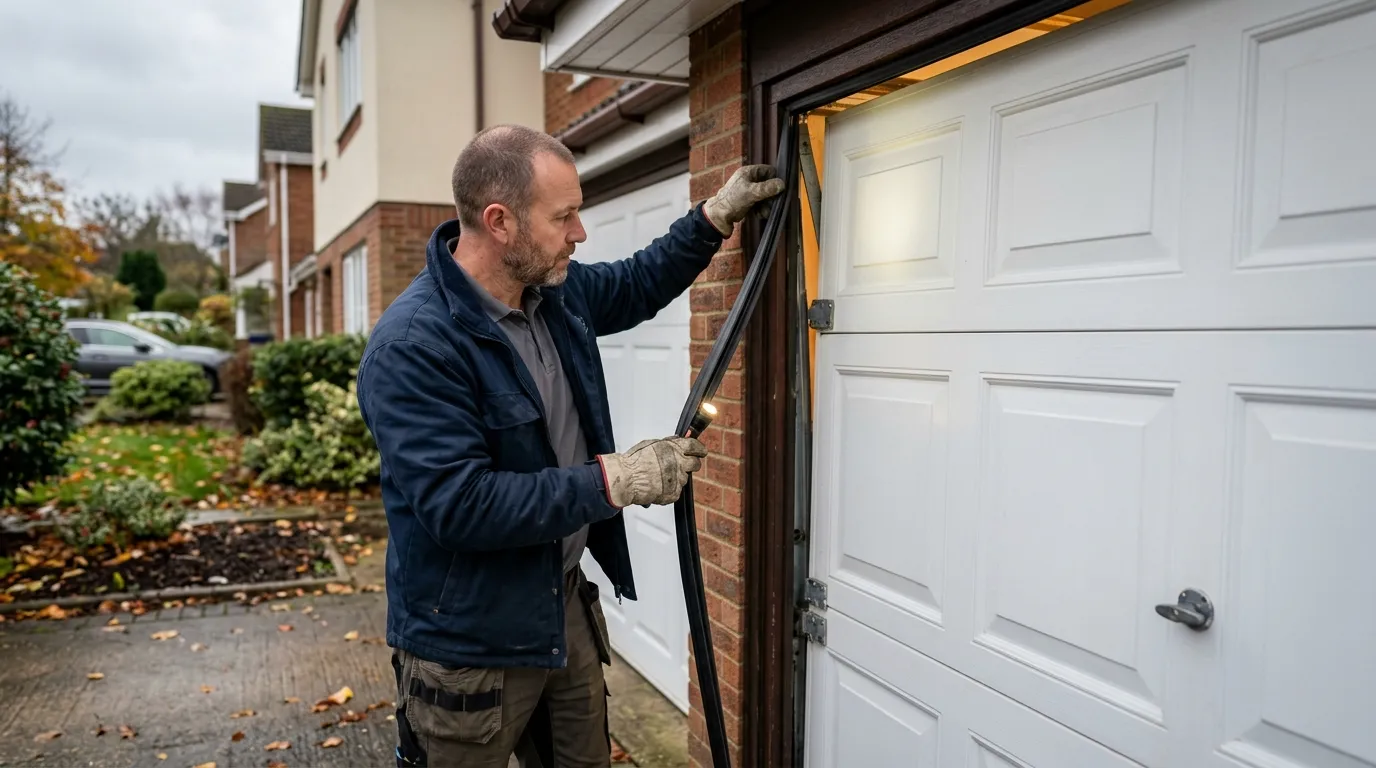
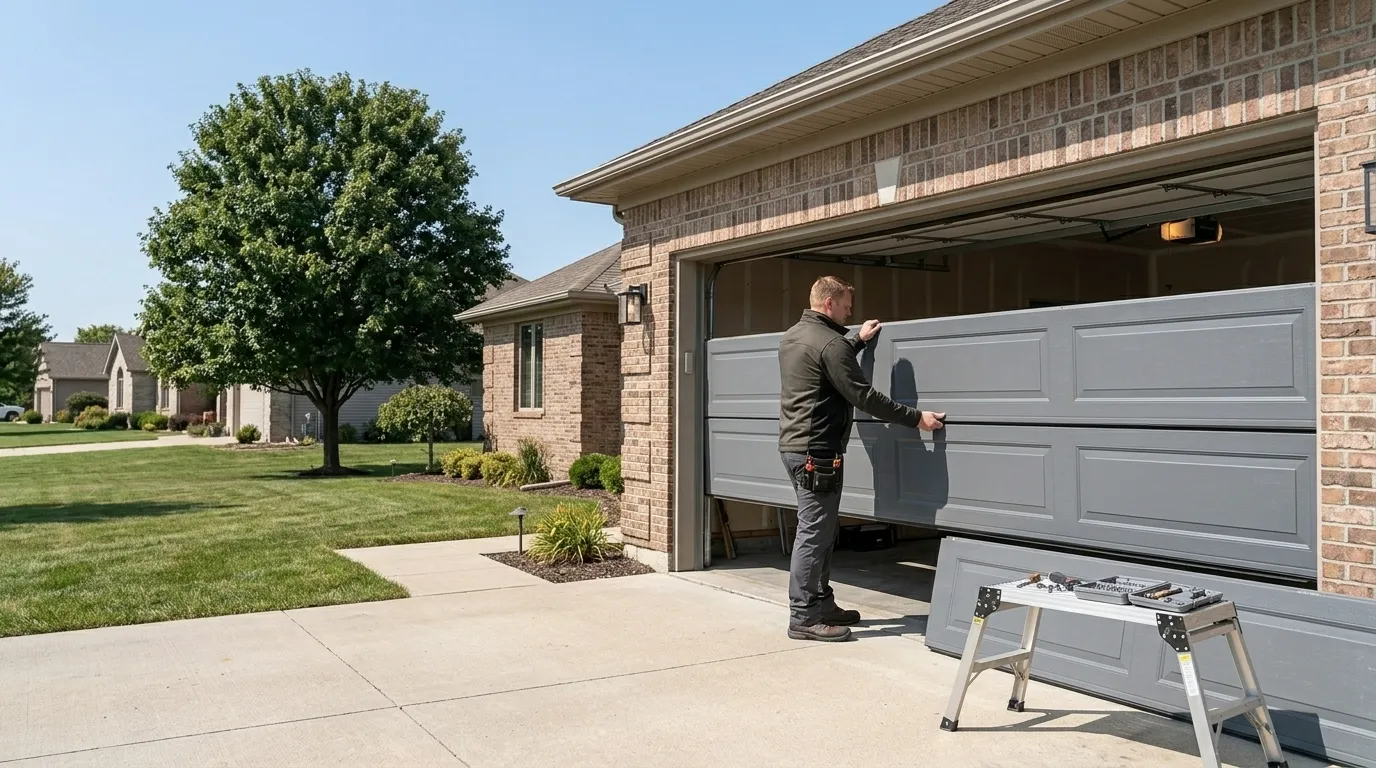
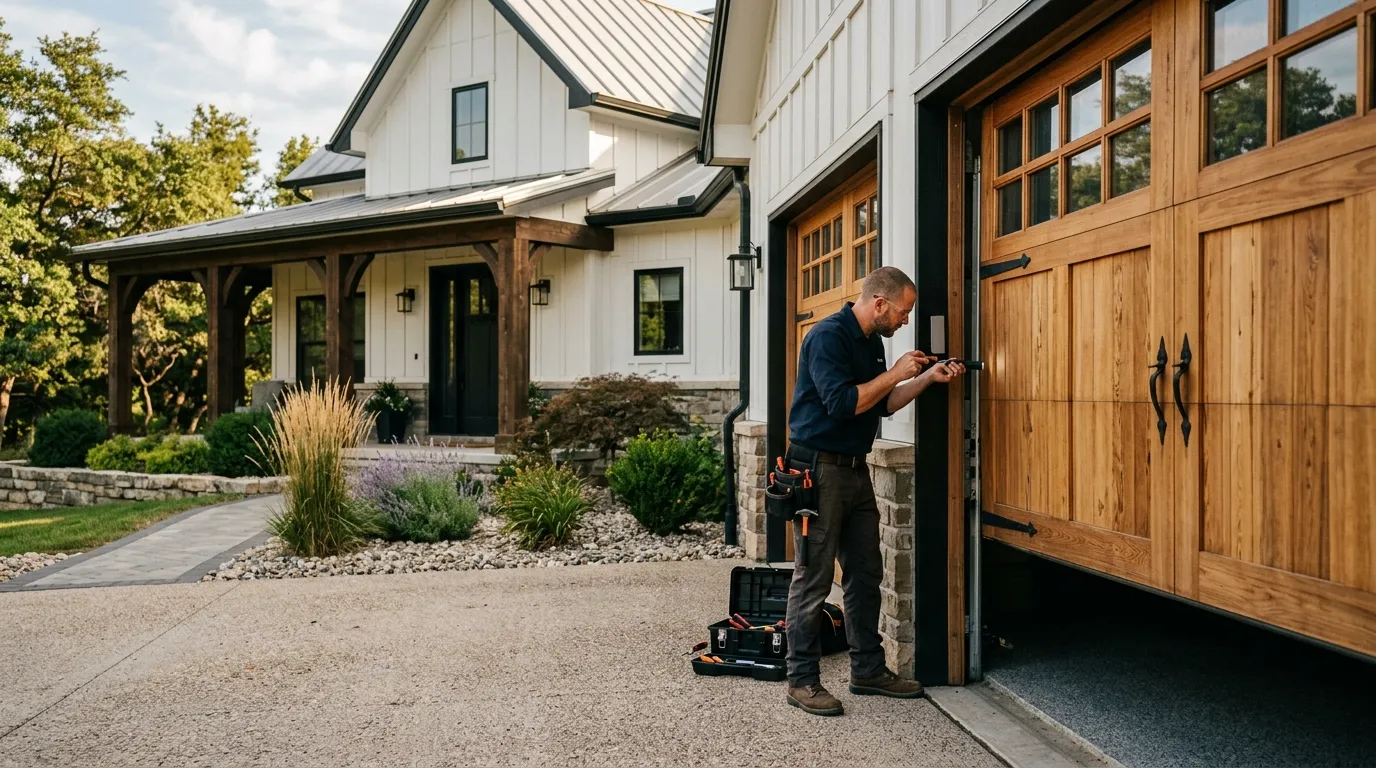
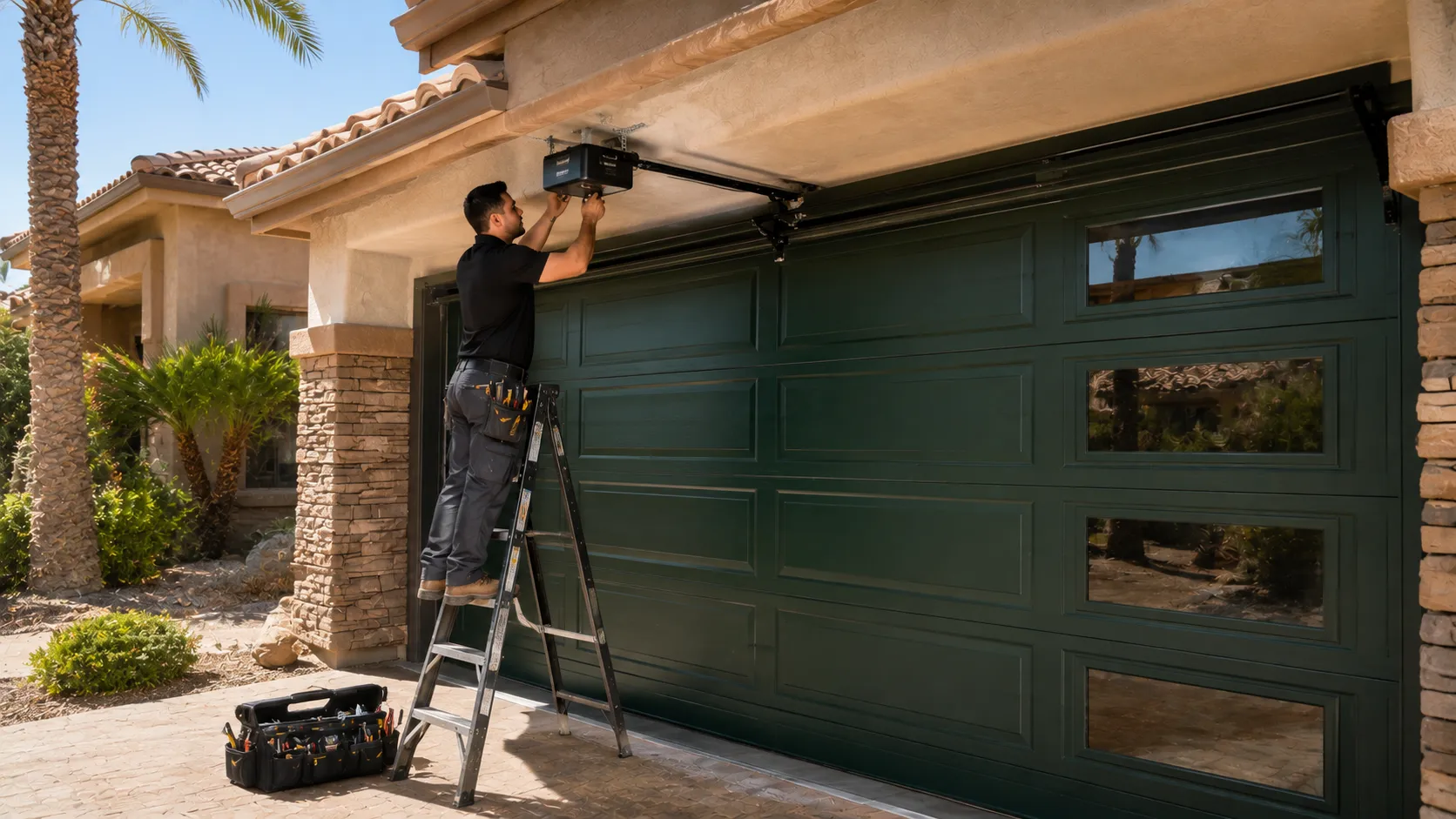
Surfside's housing stock centers on 1971, a few years ahead of the roughly 1976 median across the wider service area, which puts a lot of these garages right at the point where torsion springs and older extension-spring setups both show up depending on who touched the house last. We see a lot of spring replacements where the coil has gone soft rather than snapped clean, which is a sign of steady humidity and salt exposure rather than one bad day. Openers from remodels in the 80s and 90s are common too, chain-drive units that have simply worn out their gears. We also get called for track realignment after a panel takes a light hit backing out of a tight driveway, which is more common on these older, narrower single-car layouts than on newer double-wide setups. One honest note: if the opener is original to a 1971 build, we're not sourcing parts for it. At that age, replacement is the only real option, and we'll say so rather than quote a repair that won't hold.
What the Housing Means for Your Door
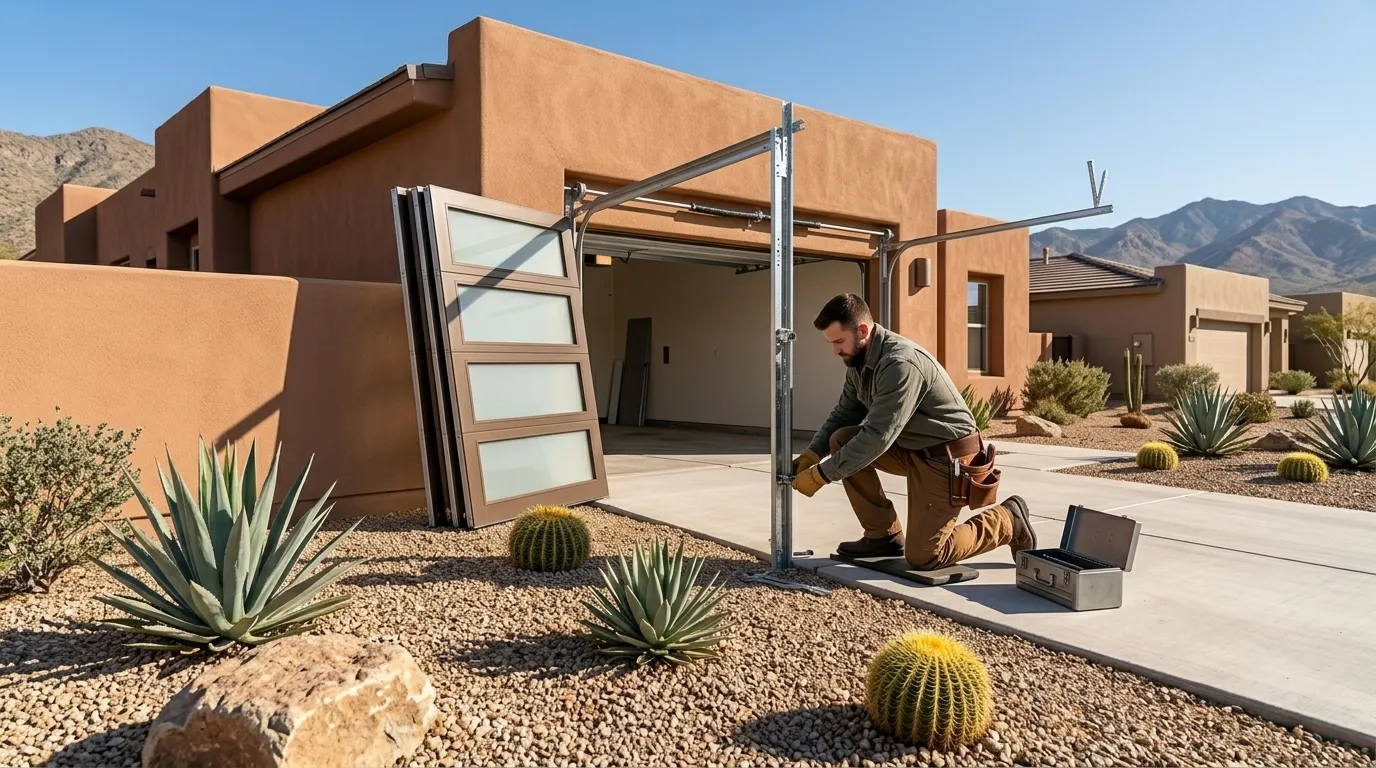
A house built in 1971 was framed to the codes and door sizes of that decade, which usually means a narrower single-car opening or a modest two-car bay, steel doors of a lighter gauge than what's sold today, and hardware sized for a lighter panel. Swap in a modern insulated door without checking the track and spring rating, and you can end up with a door that's technically installed but wrong for the opener straining to lift it. The area's median household income here, at $88,938, is well above the roughly $71,020 median across the broader service area, and that shows up in the calls: more owners upgrading to insulated steel or full custom doors rather than patching an old one. With only about 2,053 households in Surfside, this isn't a market where every third house needs the same repair. It's a mix of original hardware overdue for replacement and higher-end doors installed since, and figuring out which one you've got matters before any quote gets written.