
Common Jobs Here
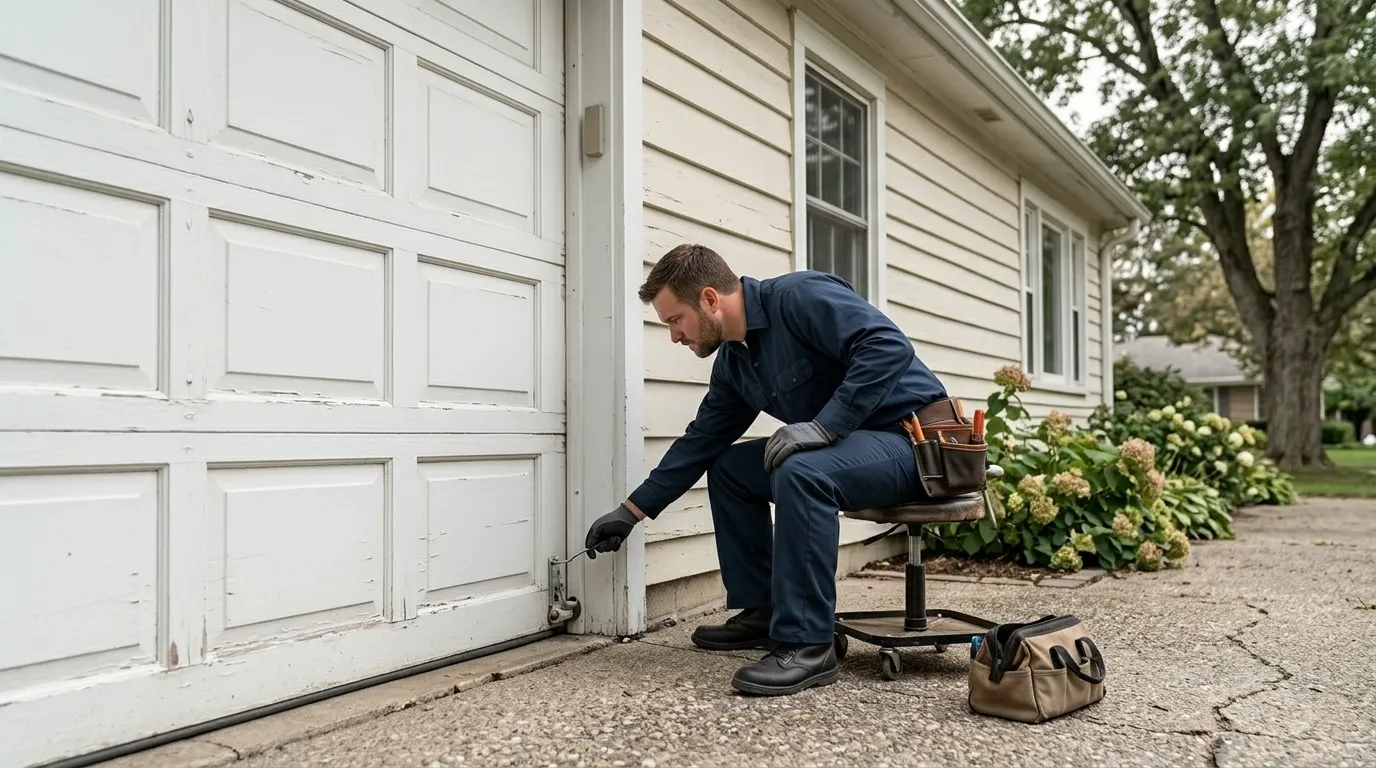
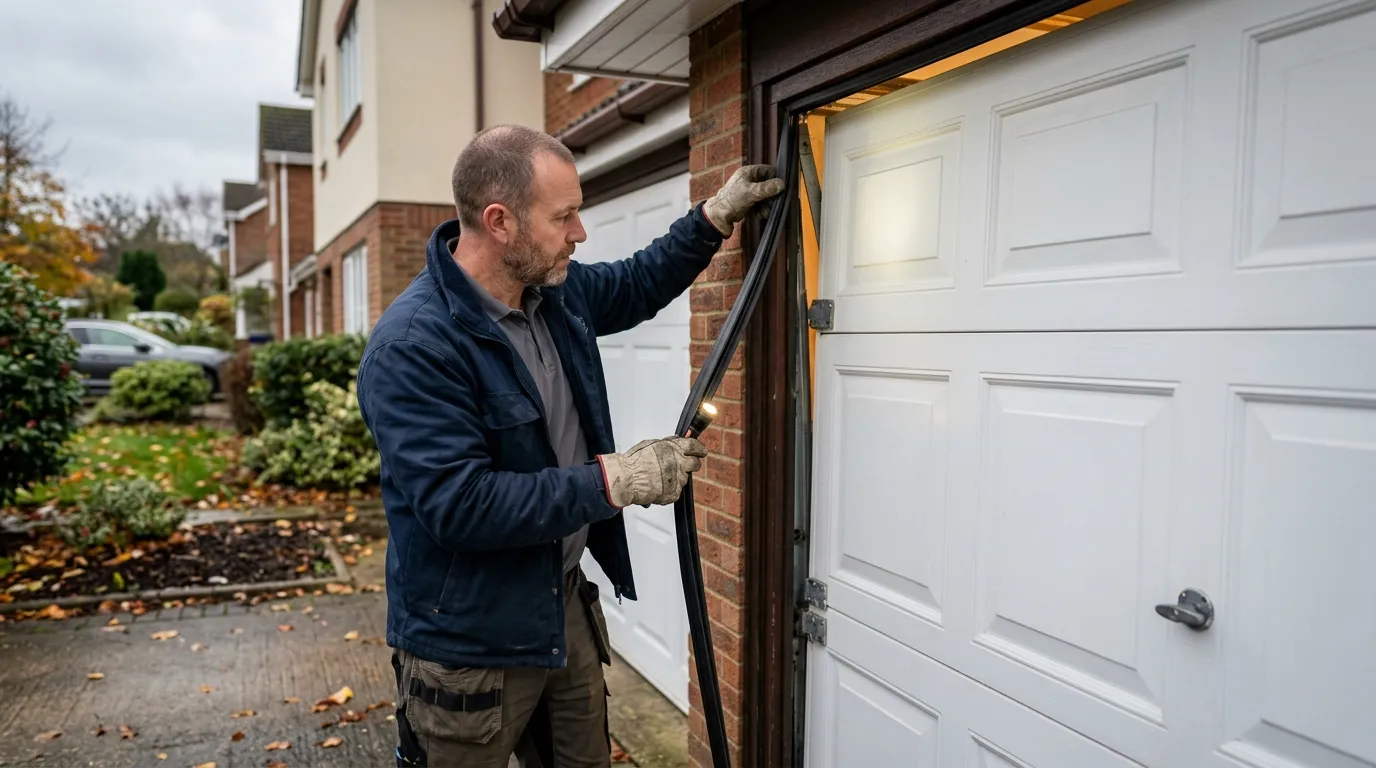
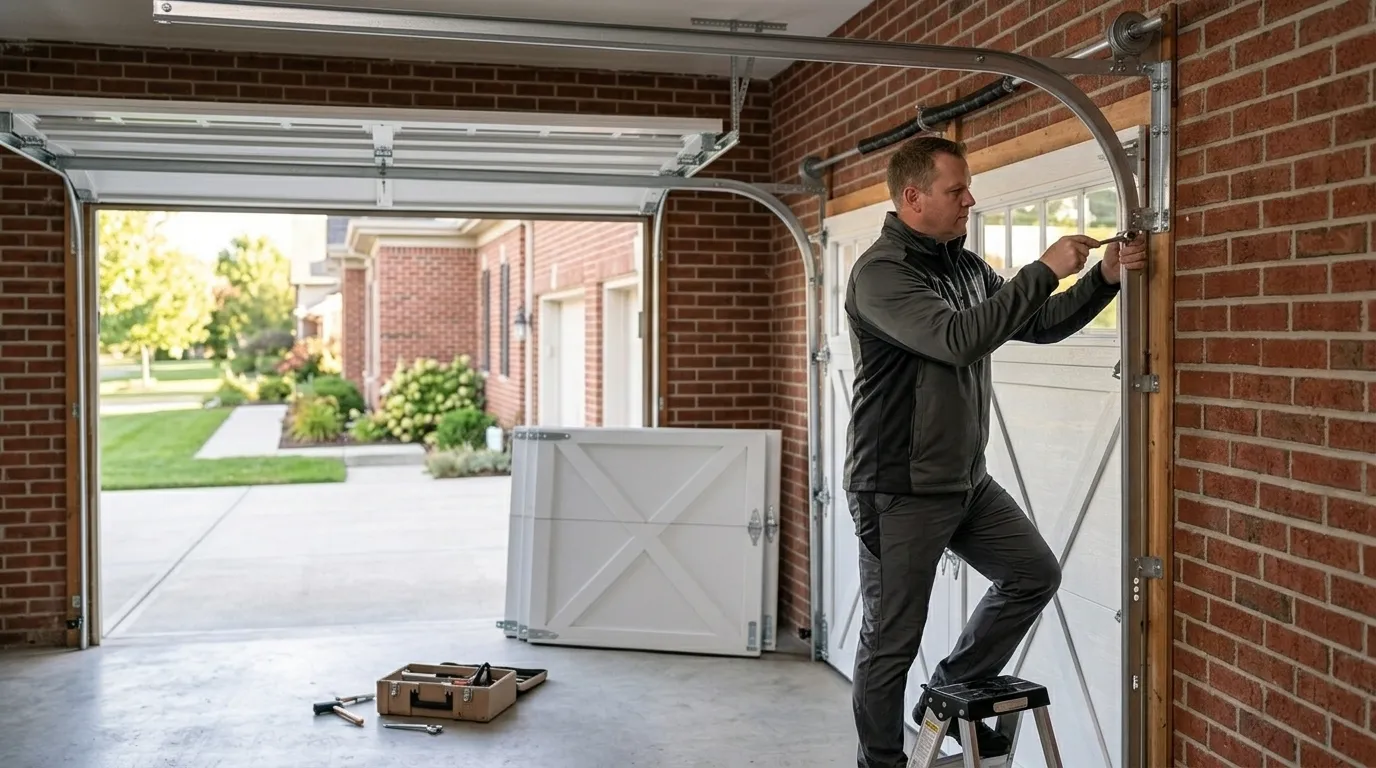
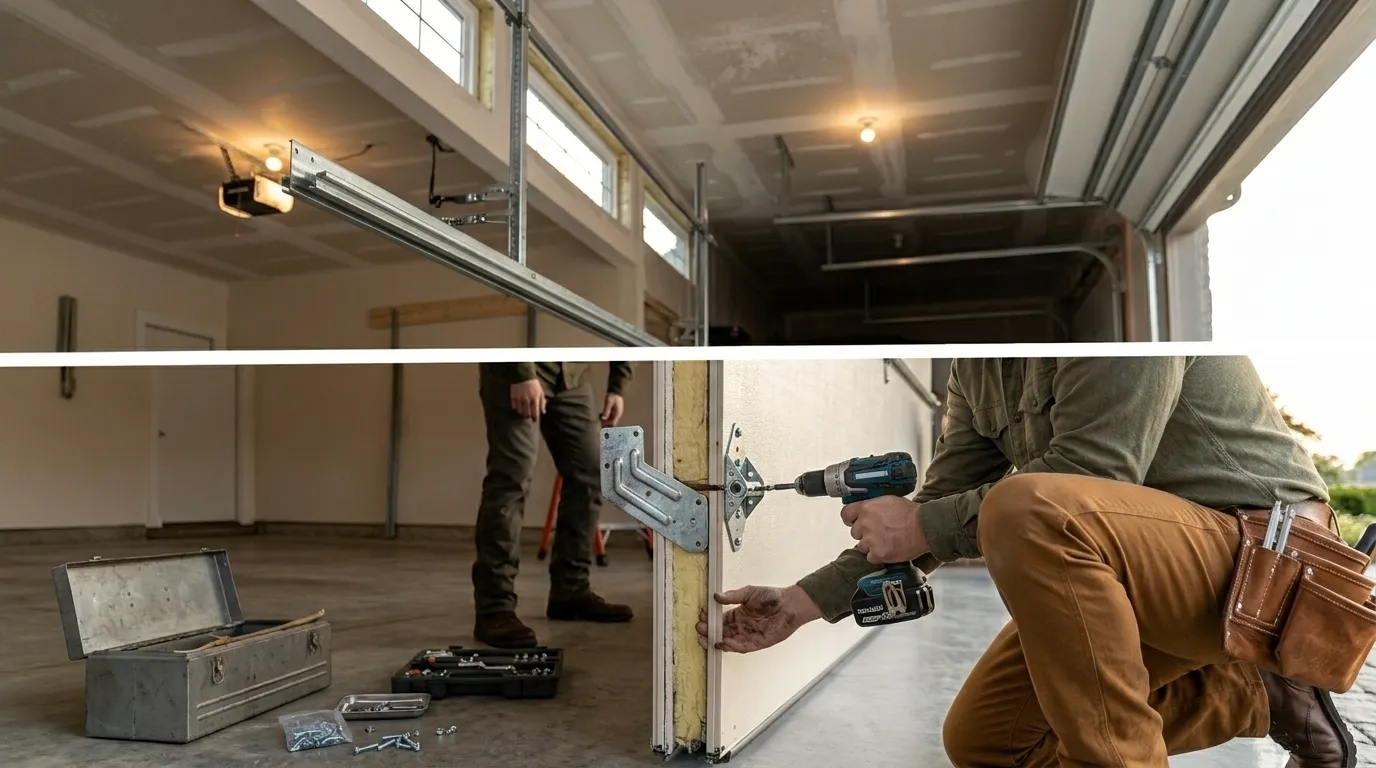
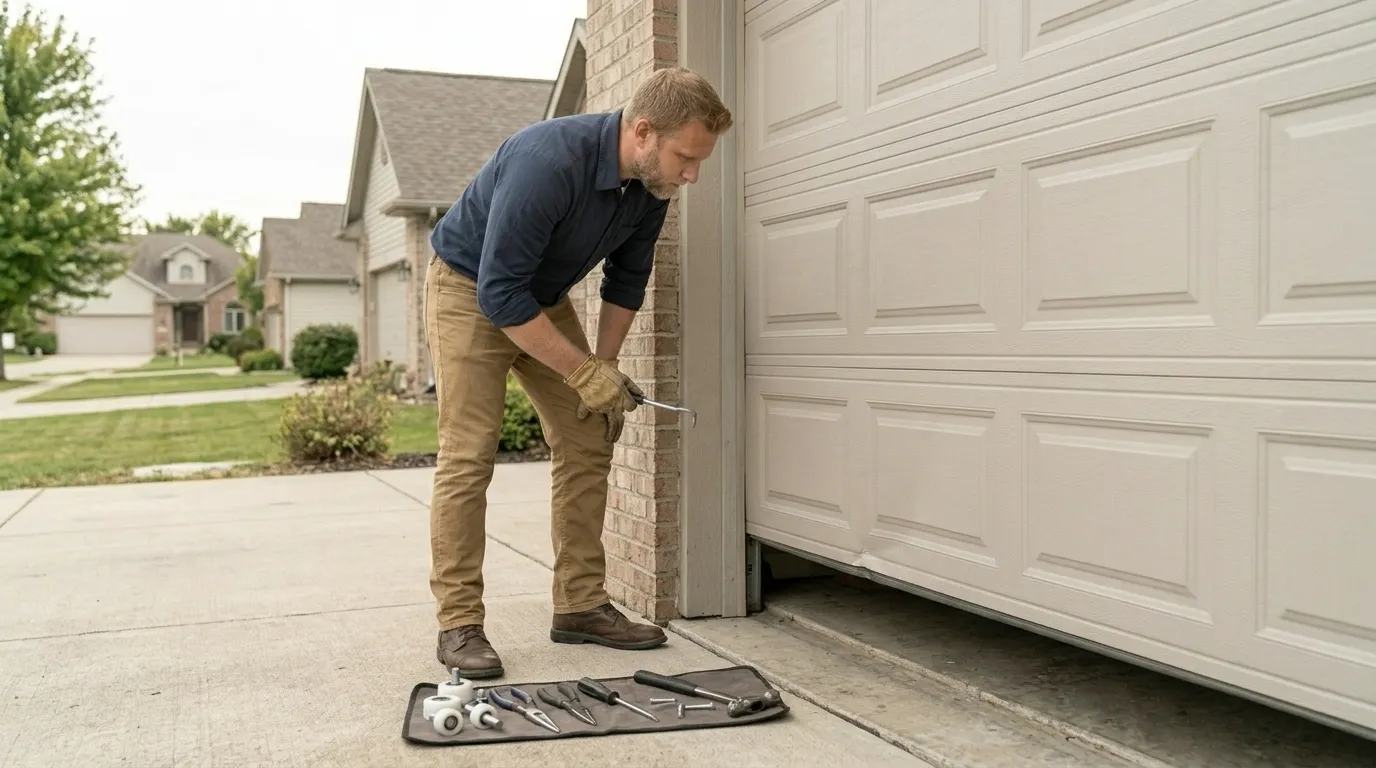
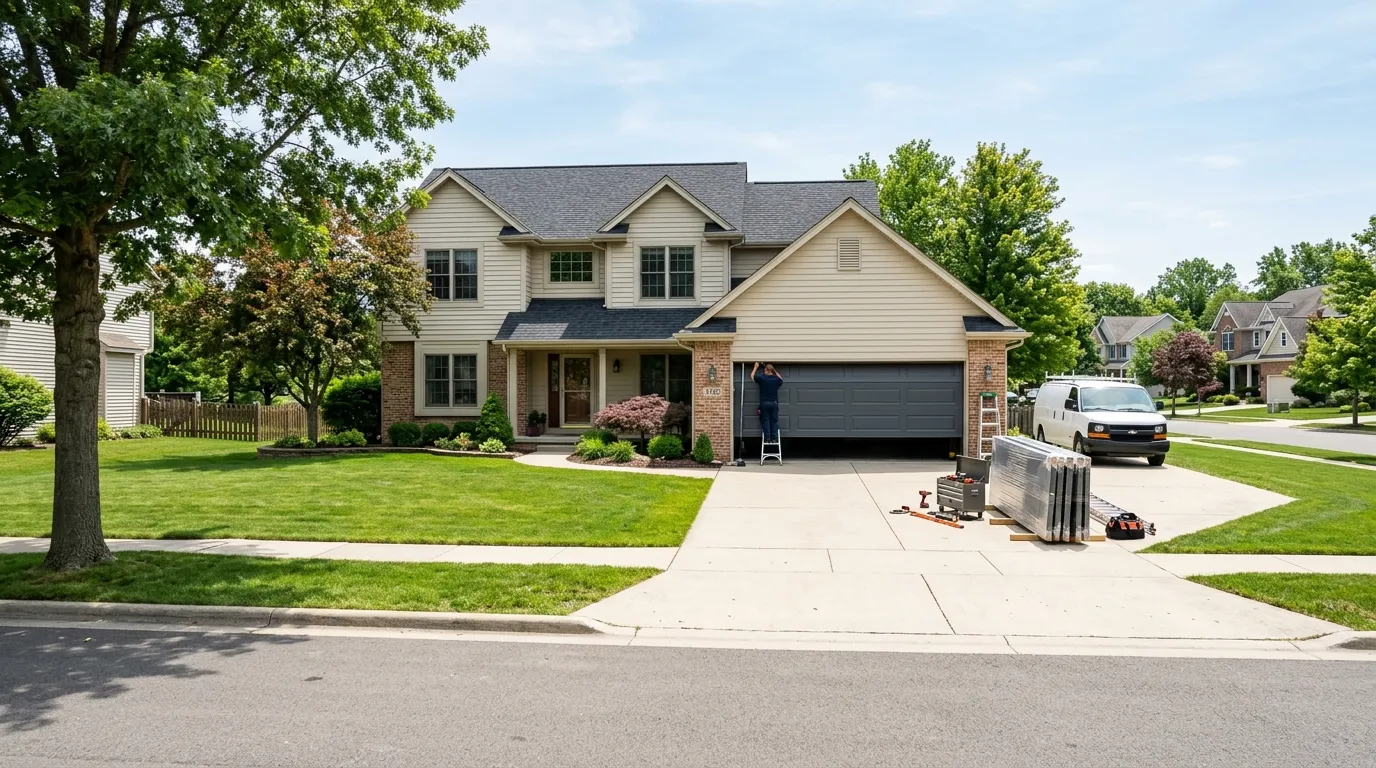
Sweetwater's housing stock centers on 1979, which puts a good share of these garage doors and openers into their second or third opener replacement cycle already, but often still on the original torsion spring setup if nobody's touched it. That's a different call than what we see in the pockets of Miami-Dade still running 1960s hardware - by '79, sectional steel doors and chain-drive openers were standard, so parts are more available but the openers themselves are old enough that circuit boards and drive gears are the usual failure points, not the door itself. We also see a fair number of rollers and cables worn from steady use rather than storm damage, which tracks with the area's mild temperate climate - no freeze-thaw cycle grinding down hardware, just years of heat and humidity doing it slowly. With 6,261 households in Sweetwater, most on similar-era construction, the same handful of failures - opener logic boards, worn nylon rollers, stretched cables - show up over and over.
What the Housing Means for Your Door
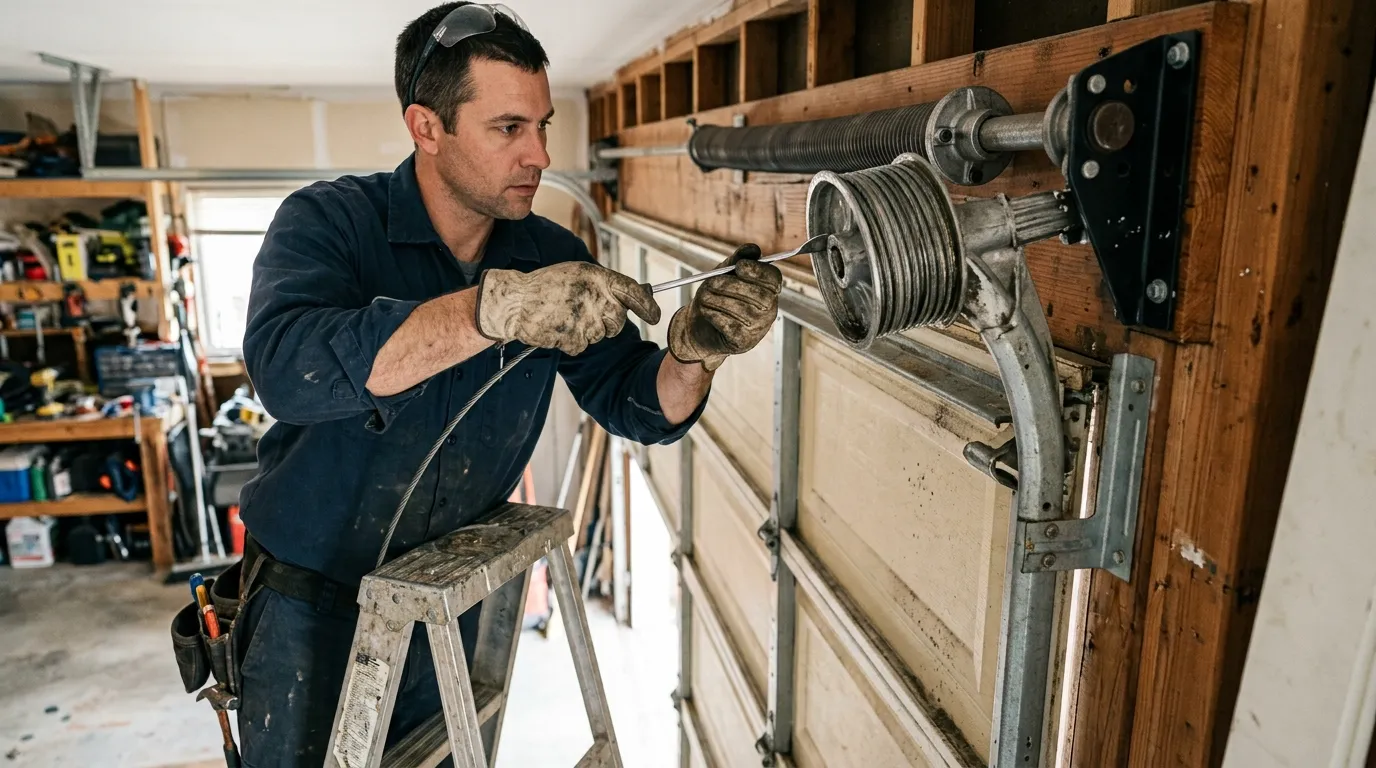
A 1979 median build year matters more than it sounds like it should. Doors and tracks installed in the late '70s were typically sized for openers and spring systems that have since been superseded twice over, so when a spring finally lets go, the replacement often isn't a straight swap - the mounting hardware and drum sizing can be a step behind what's on the shelf today. That's different from the older 1950s-60s stock found elsewhere in the wider Miami service area, where one-piece doors and side-mounted torsion setups are the norm and parts are scarcer still. In Sweetwater we're mostly dealing with sectional doors on standard torsion springs, which is good news for parts availability but doesn't mean every job is simple - a mismatched replacement spring is the single most common mistake we get called out to fix. With median household income here at $55,154, we hear a lot of homeowners asking us to be straight about whether a repair is worth it versus a full door replacement, and honestly, on a door this age, sometimes it isn't.