Common Jobs Here
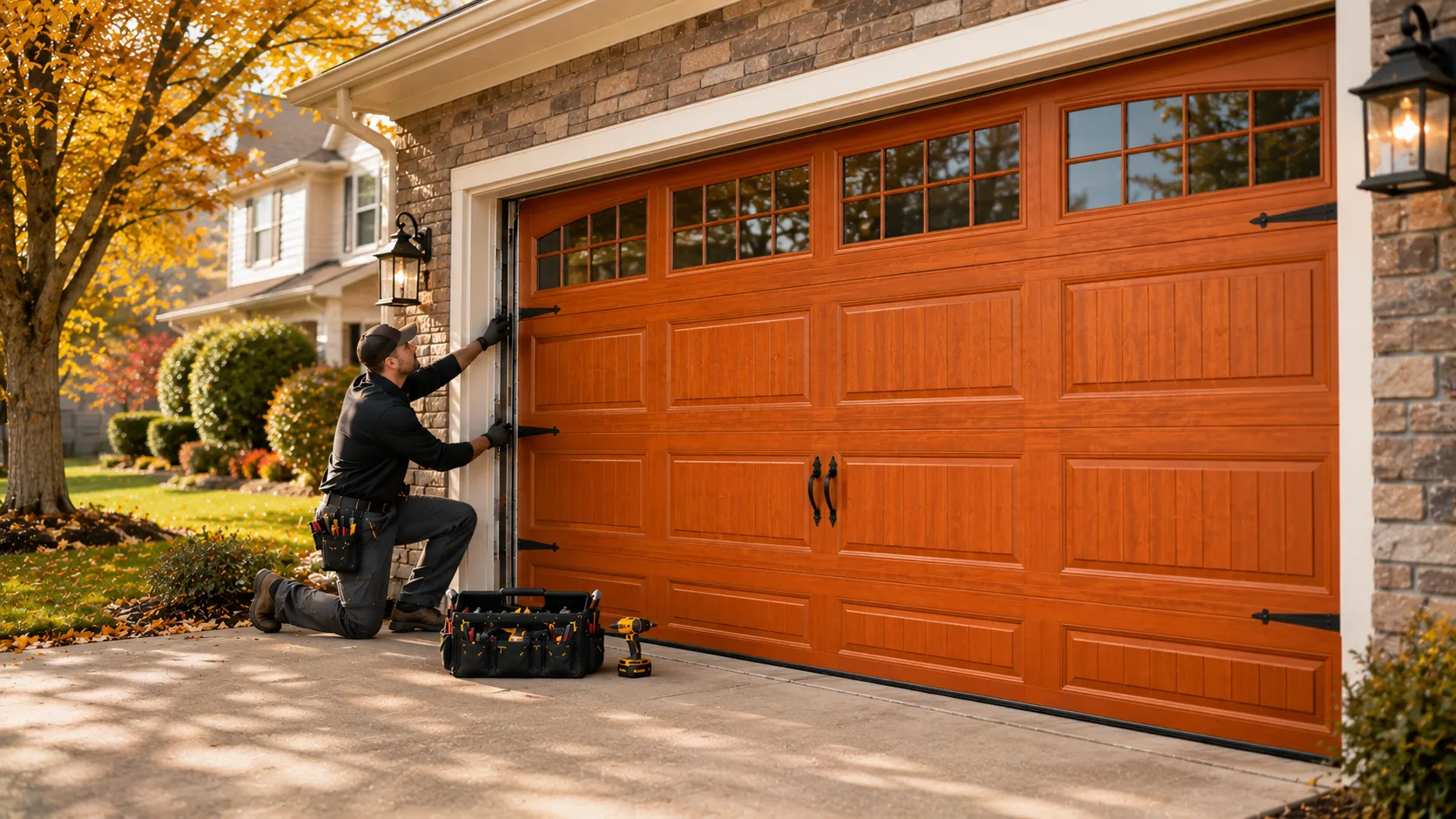
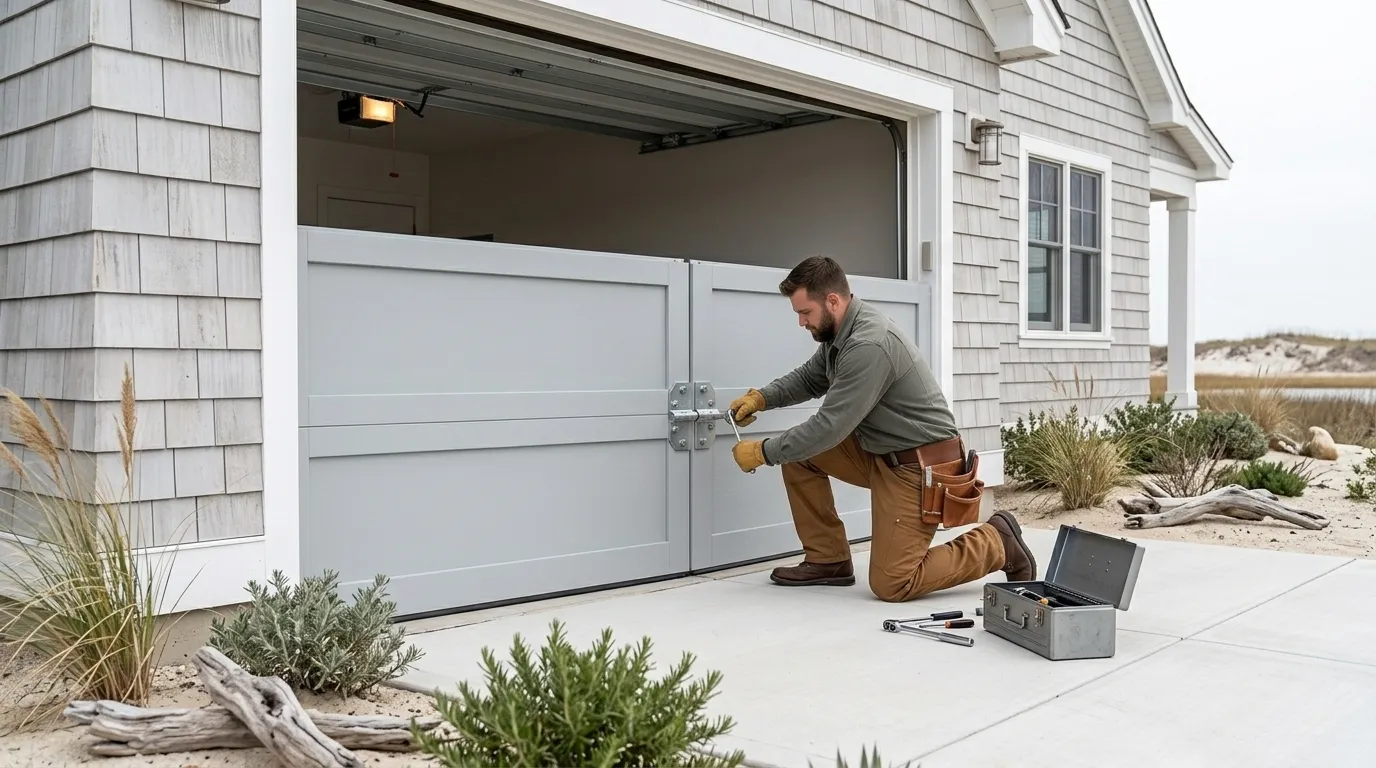
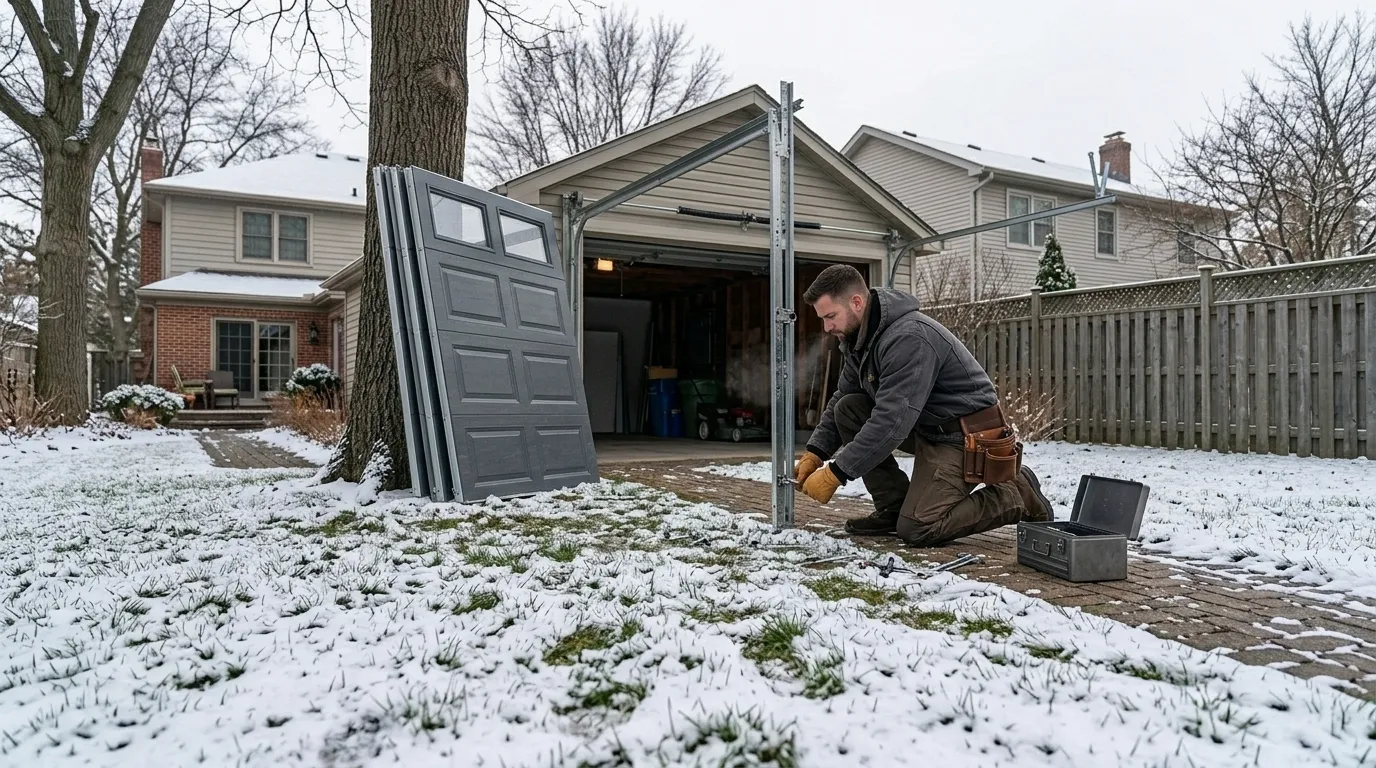
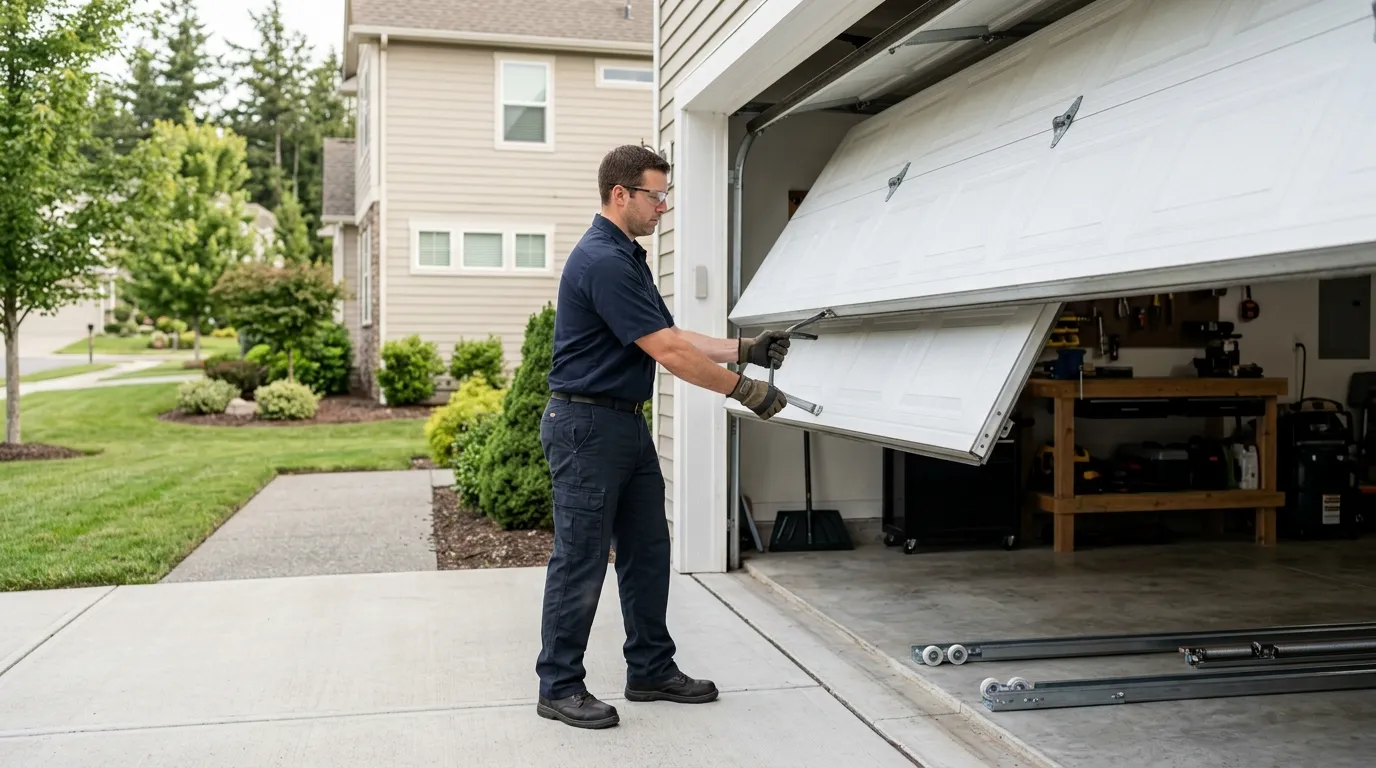
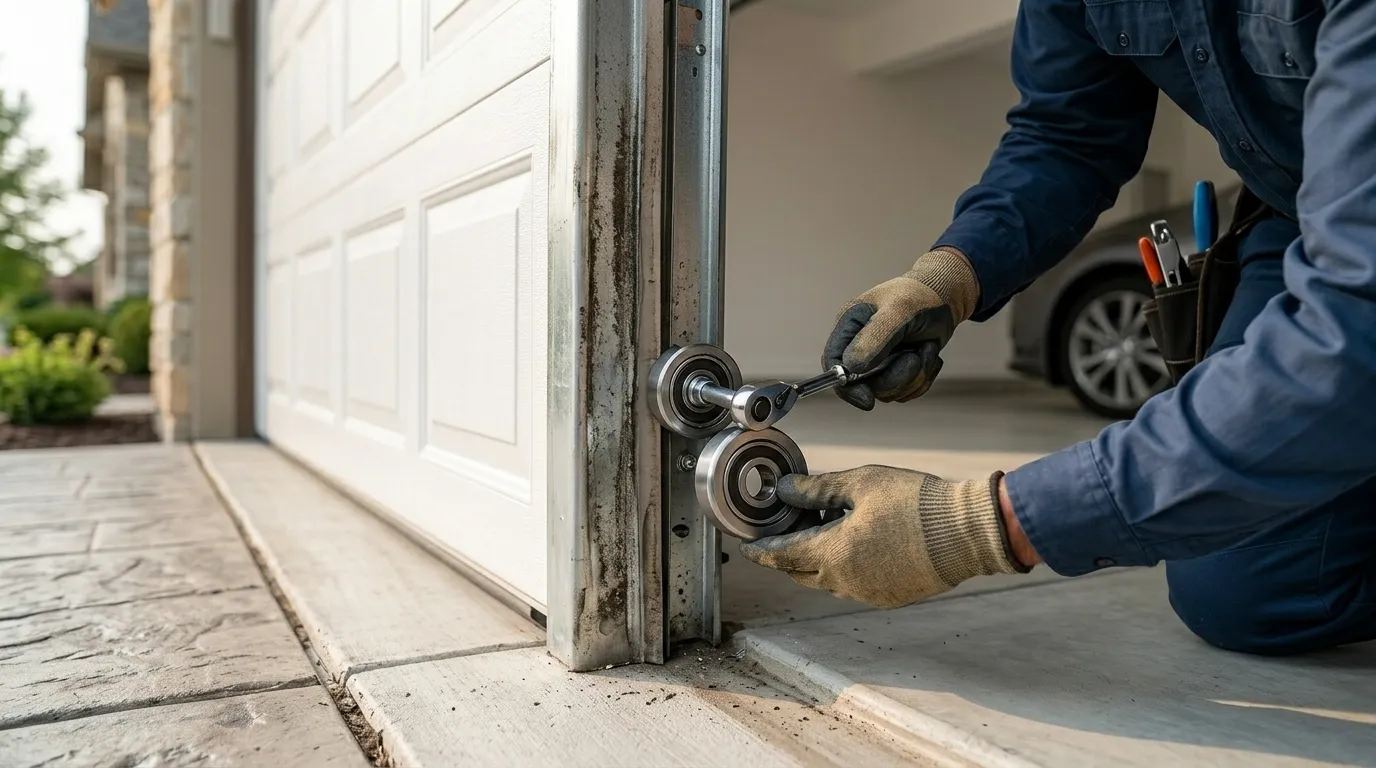
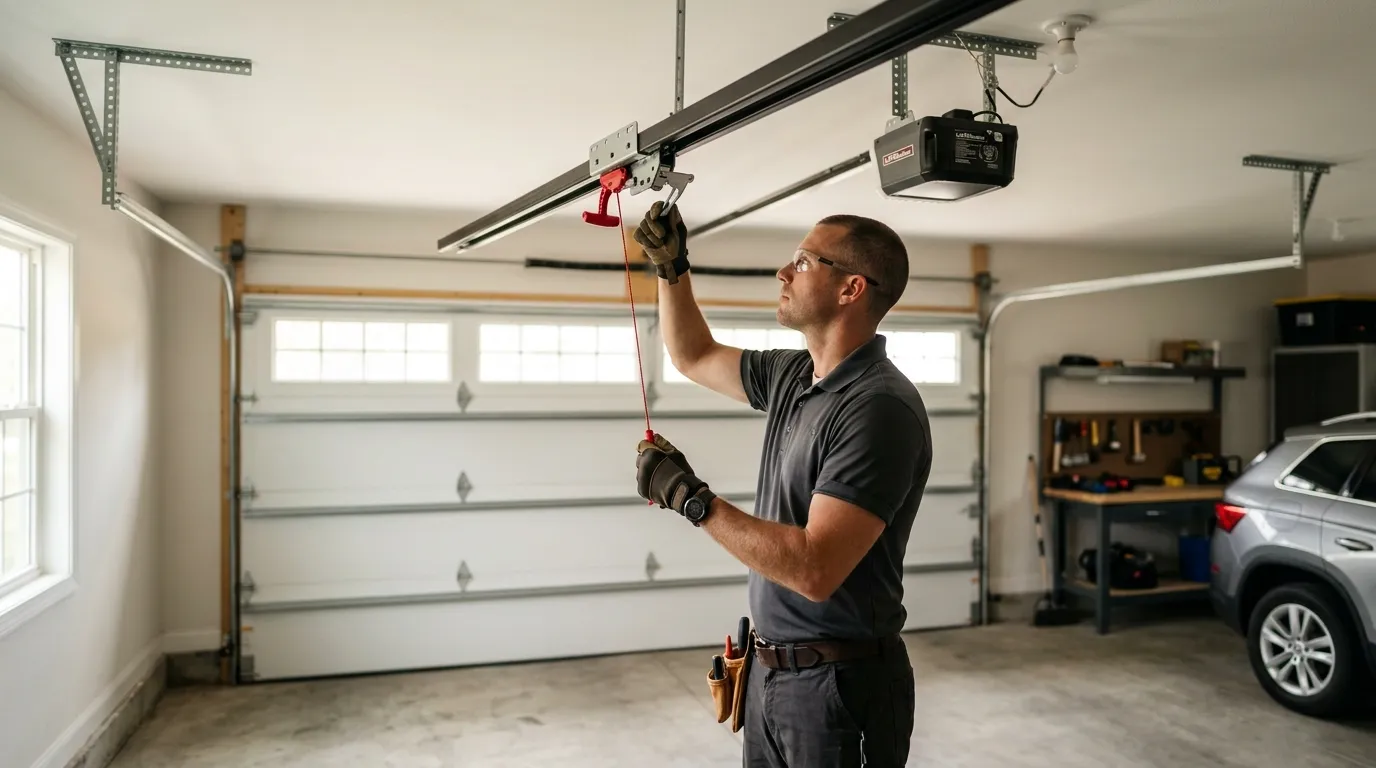
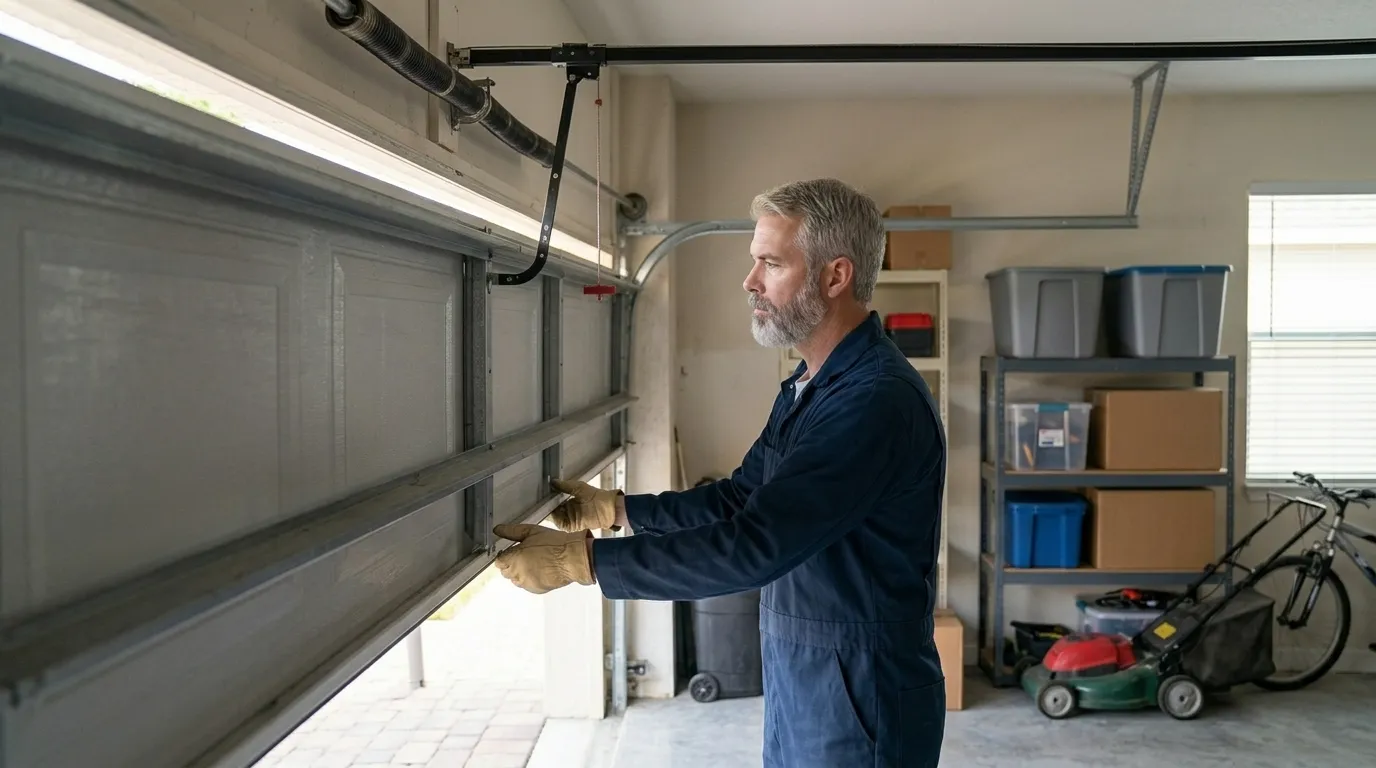
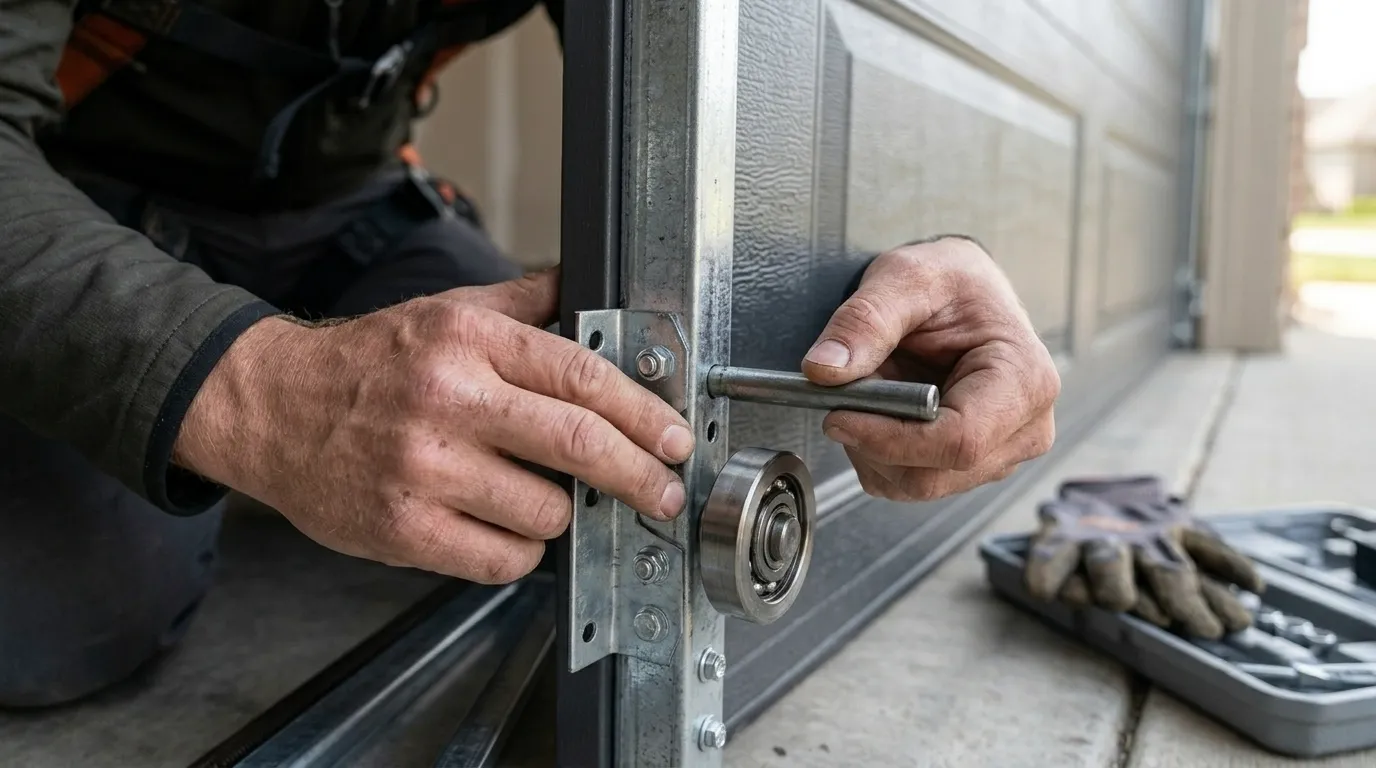
Because most houses here went up around 1981, a good chunk of the doors and openers we replace are original or close to it, pushing past the age where parts get brittle and torsion springs lose count on their cycle rating. The calls we see most from this pocket are chain-drive openers that have finally given out after decades of use, extension or torsion springs original to an early-80s build, and steel sectional doors with rollers worn down to metal-on-metal. Compare that to the older 1960s stock closer to Miami, where you're more likely to find one-piece doors on side-mounted hardware nobody stocks anymore - different problem, different parts truck. One limitation worth saying plainly: if your opener is original to an early-80s install, we usually recommend replacement over repair once the circuit board goes, since sourcing a matching board for that vintage costs more than a new unit and won't last as long.
What the Housing Means for Your Door
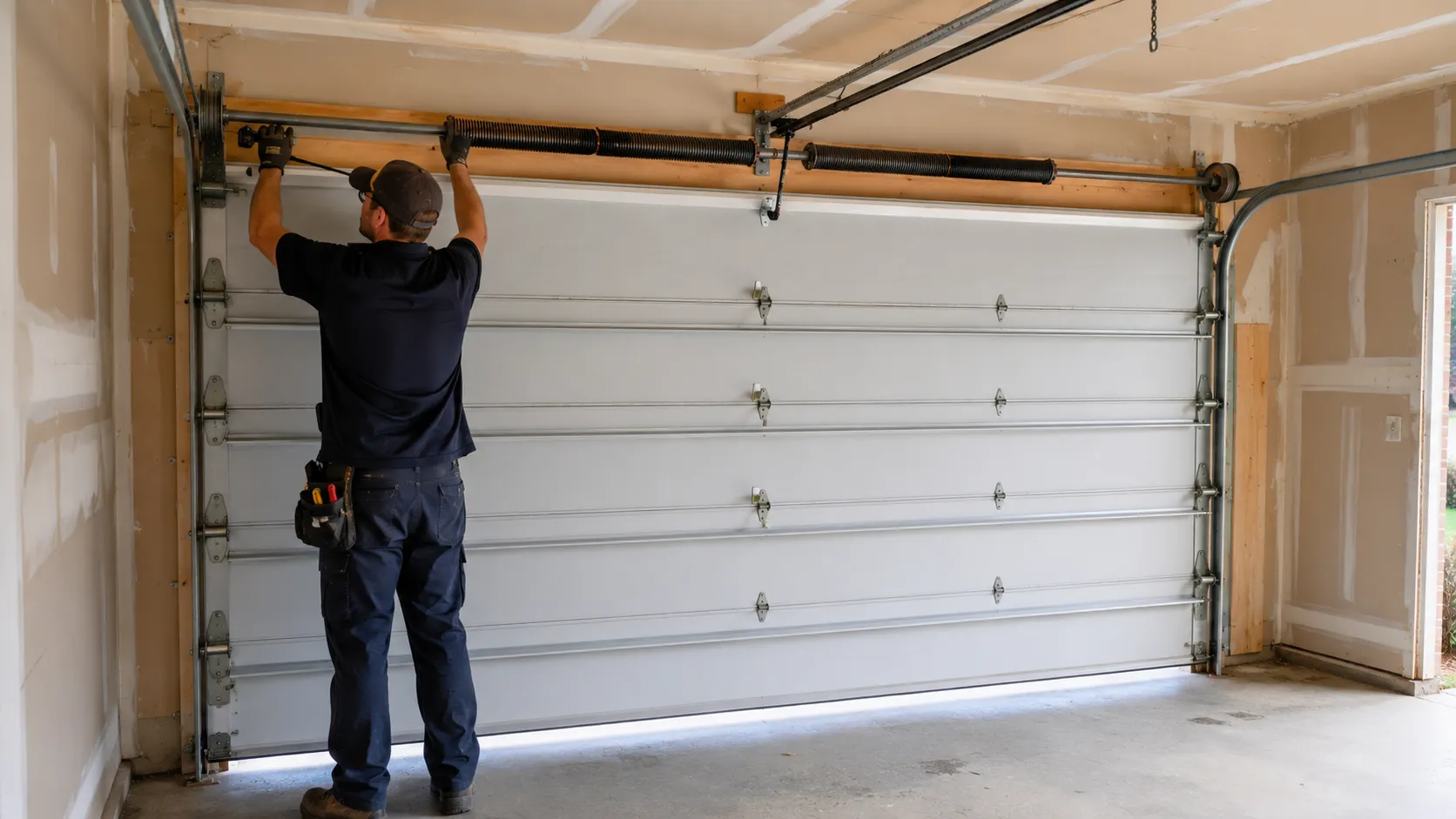
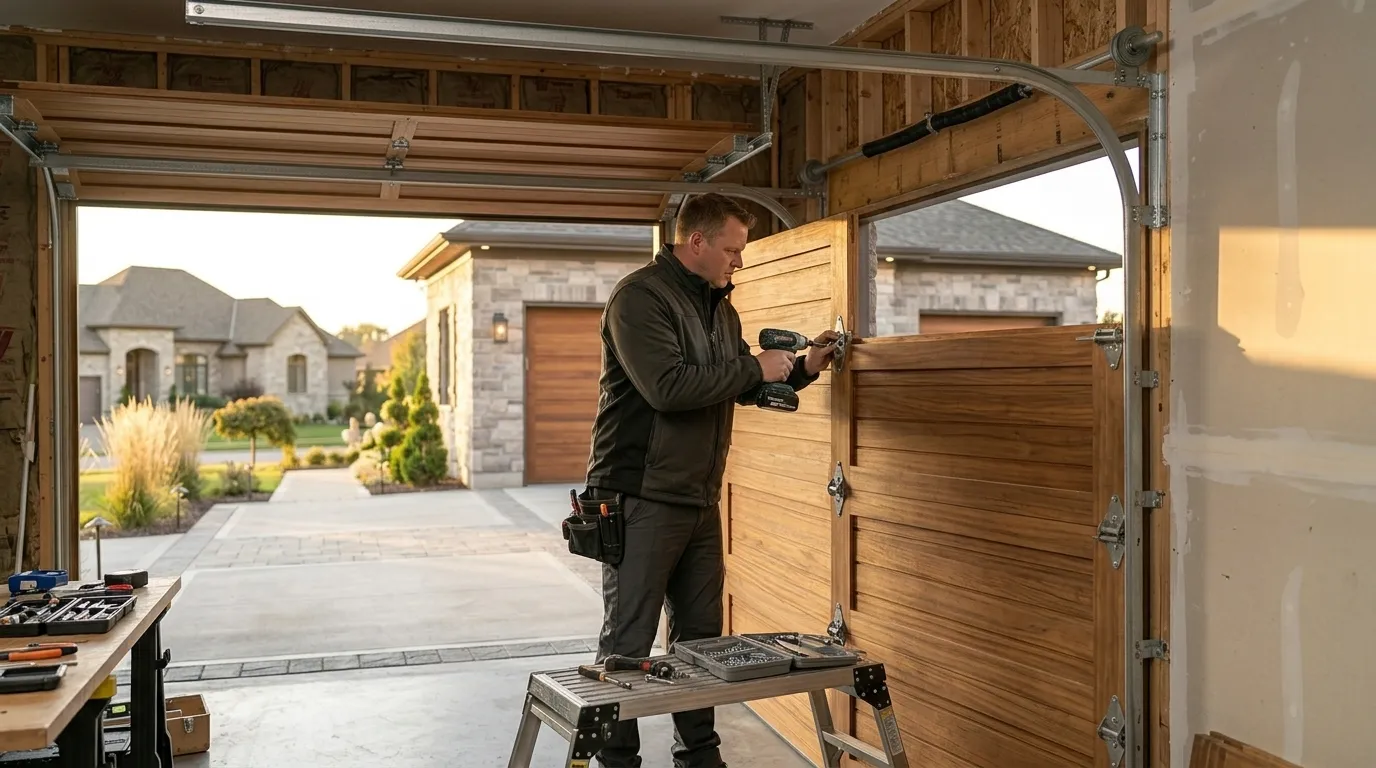
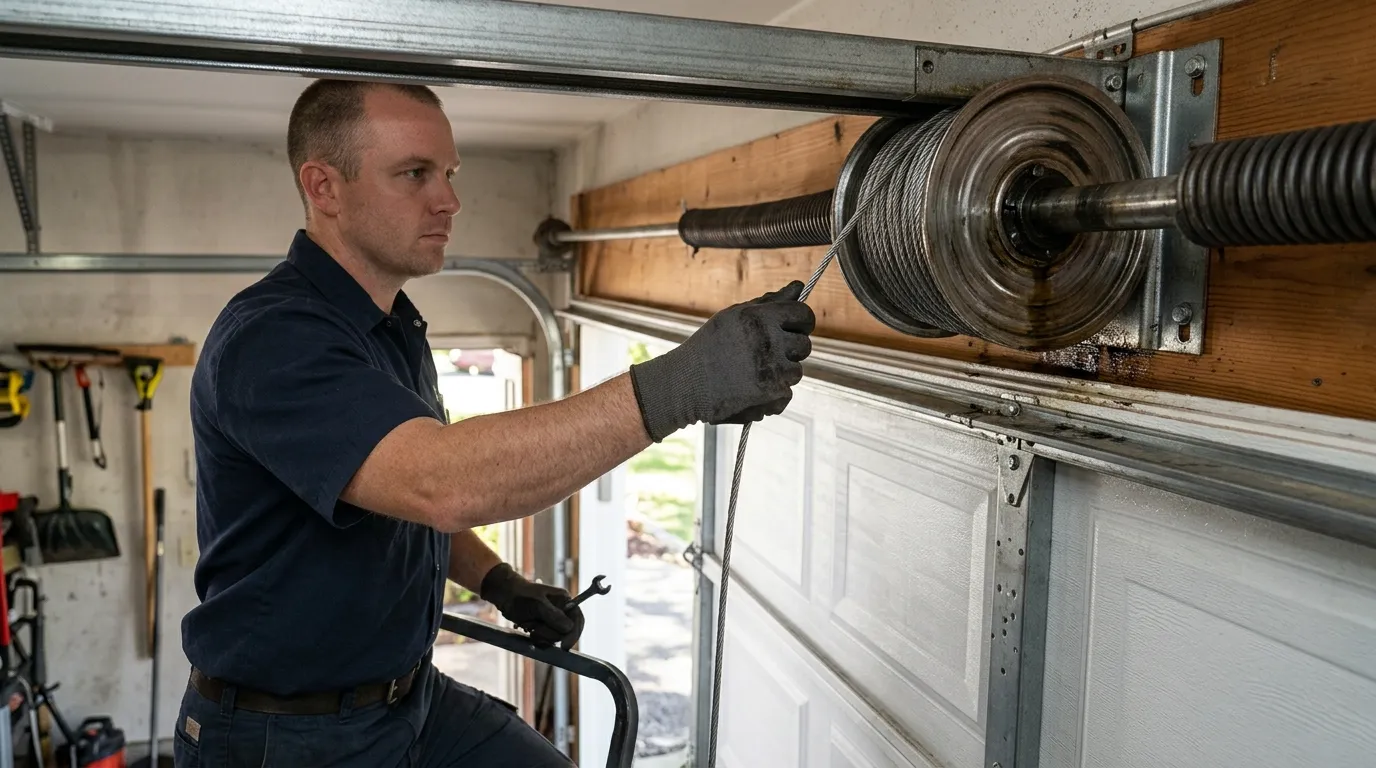
The area's median build year is 1981, a bit newer than the 1976 median across the wider service footprint covered by F1. That five-year gap matters more than it sounds: doors and openers installed in the early 1980s were built to a different standard than the 1960s stock nearer Miami, mostly steel sectional panels on overhead torsion springs rather than the older wood or single-panel setups. The springs on these doors are sized for the panel weight of that era, and after roughly forty years of cycling, most are near or past the end of their rated life even if they haven't broken yet. Mild temperate conditions here mean we're not fighting frozen tracks or ice-cracked panels the way colder climates do, so wear tends to come from age and cycle count rather than weather damage. If your door still has its original hardware, replacement springs sized to match are usually a straightforward job rather than a special order.