Common Jobs Here
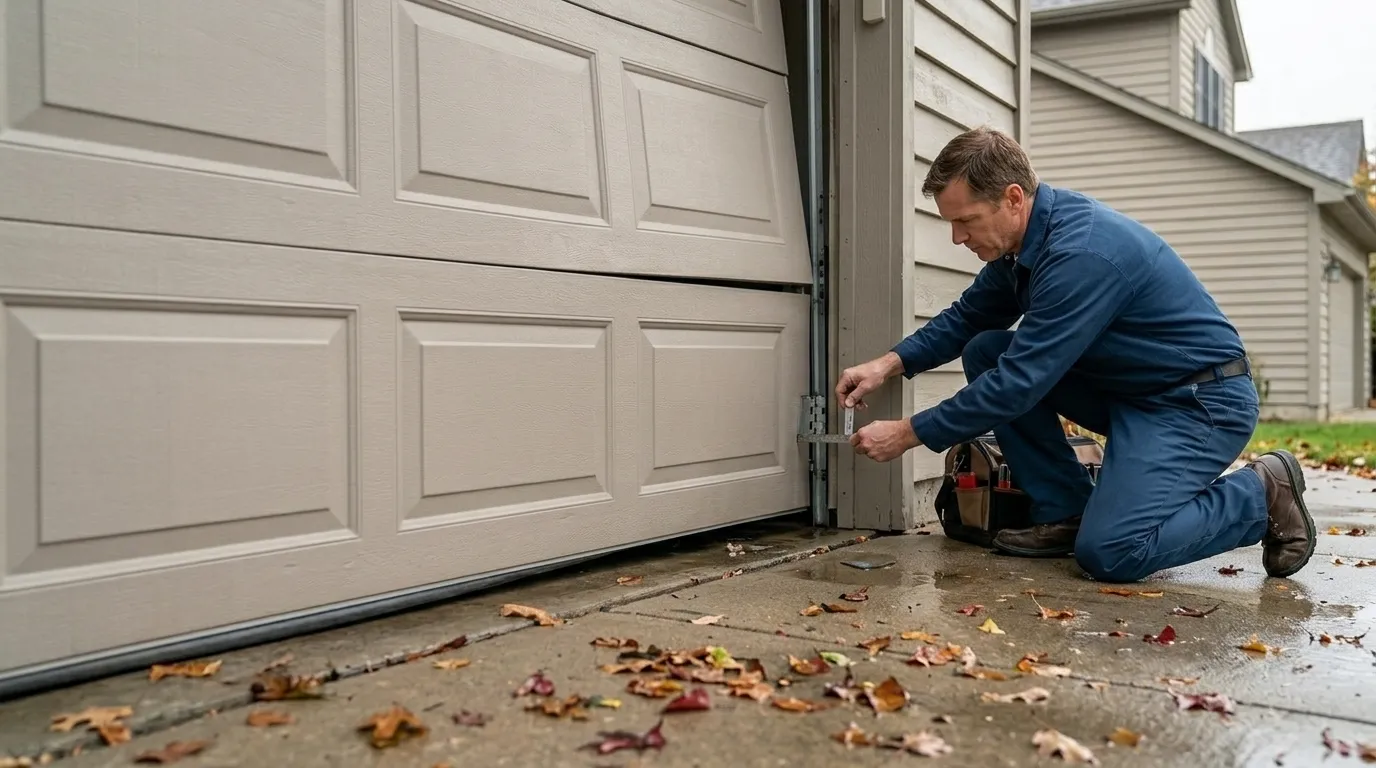
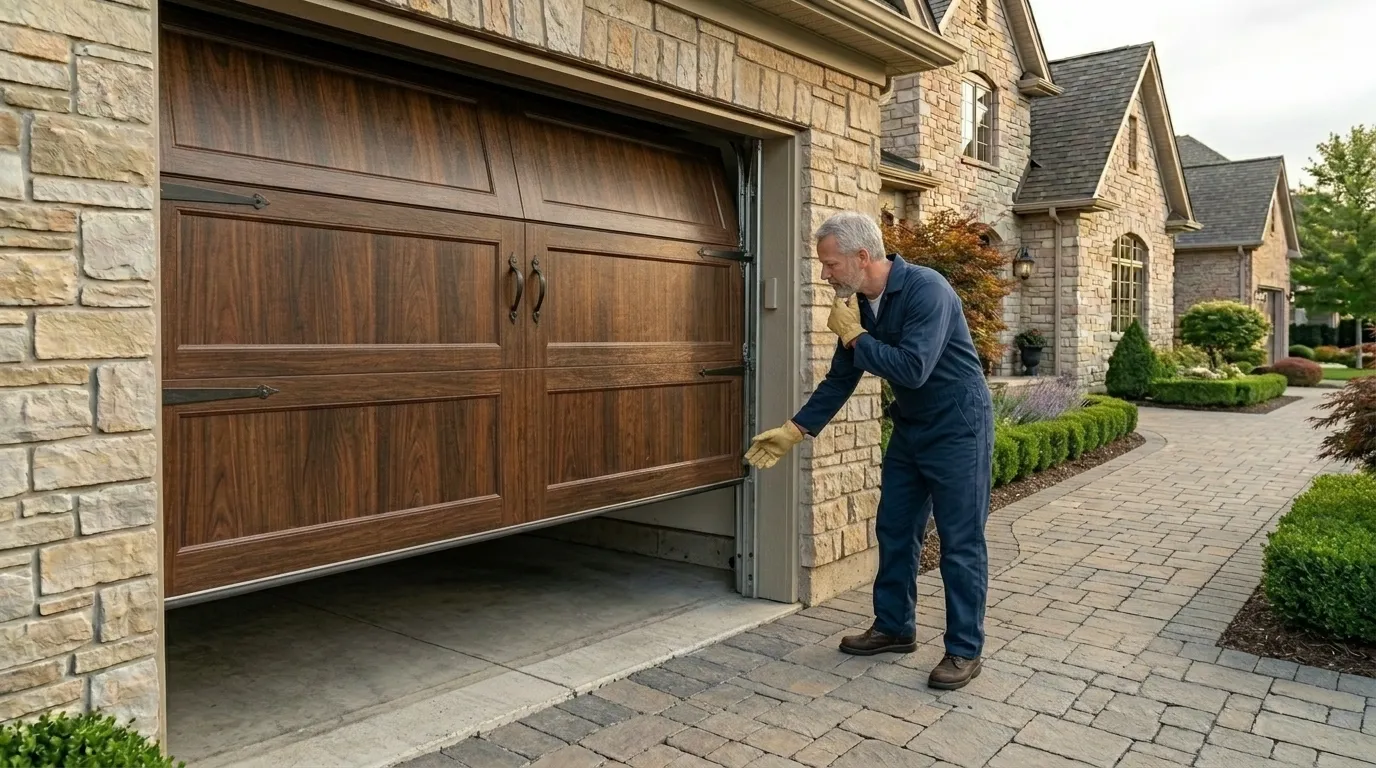
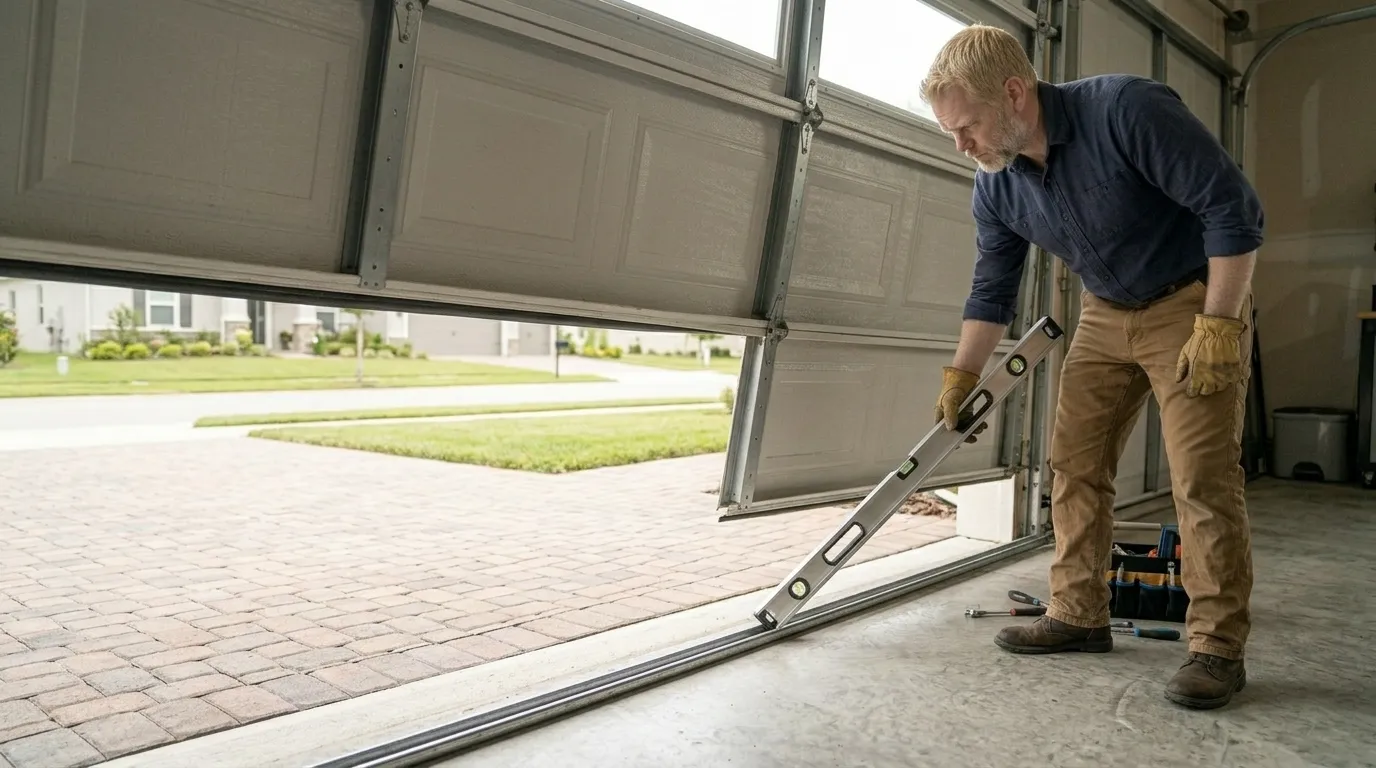
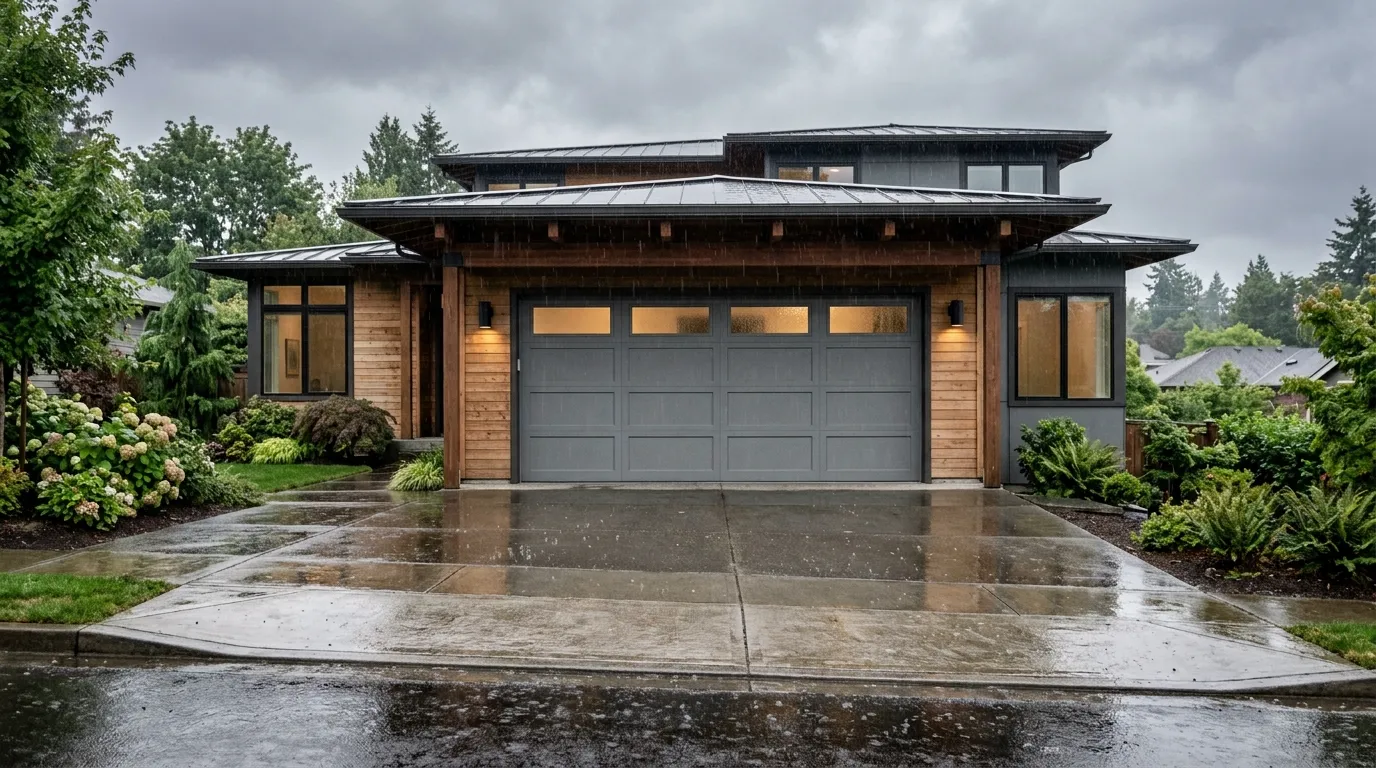
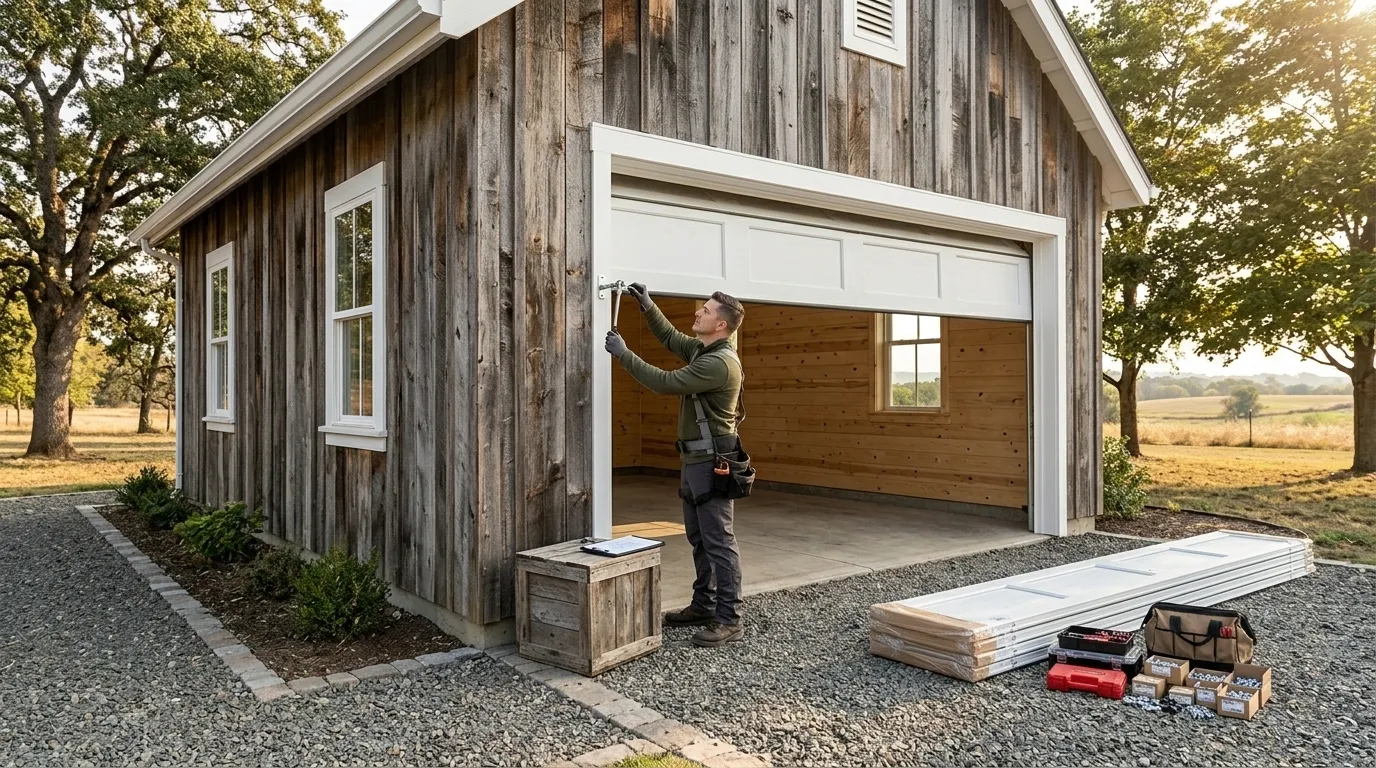
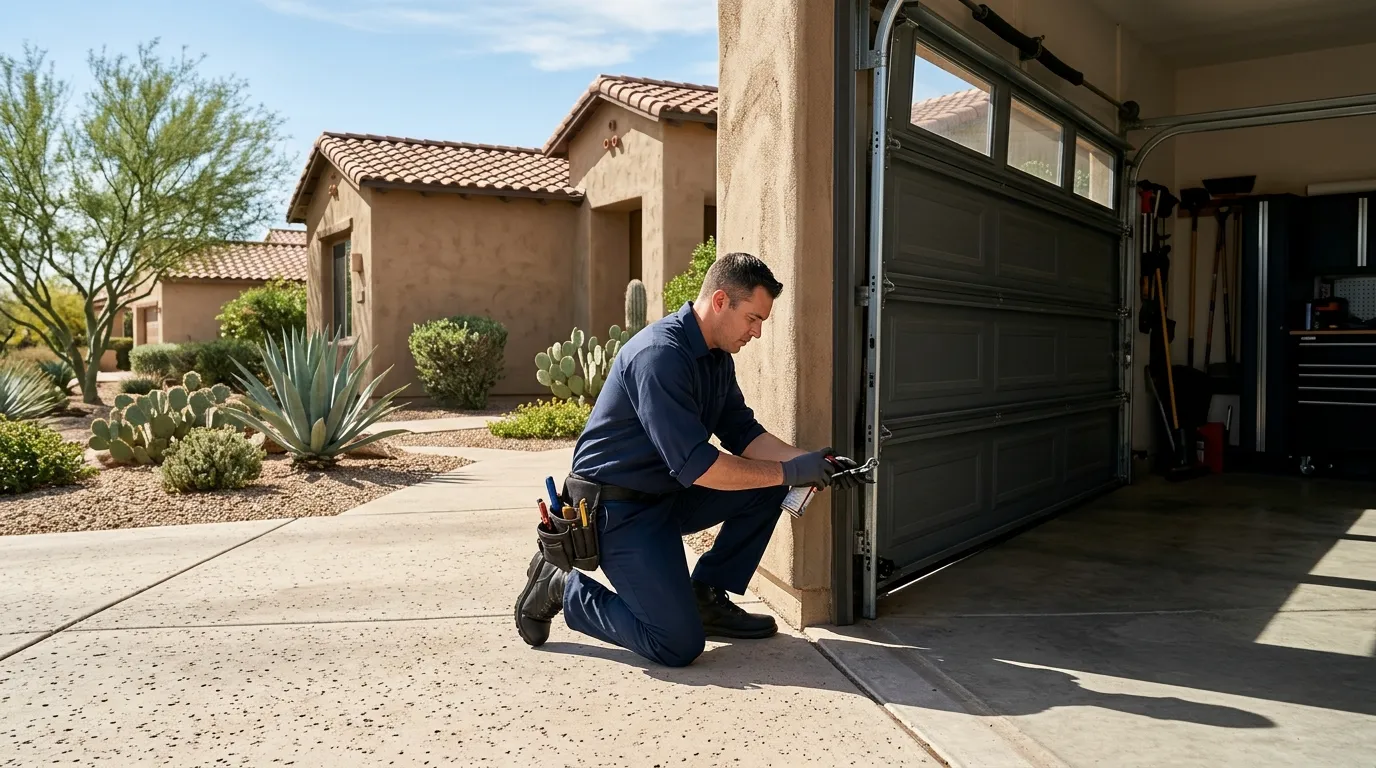
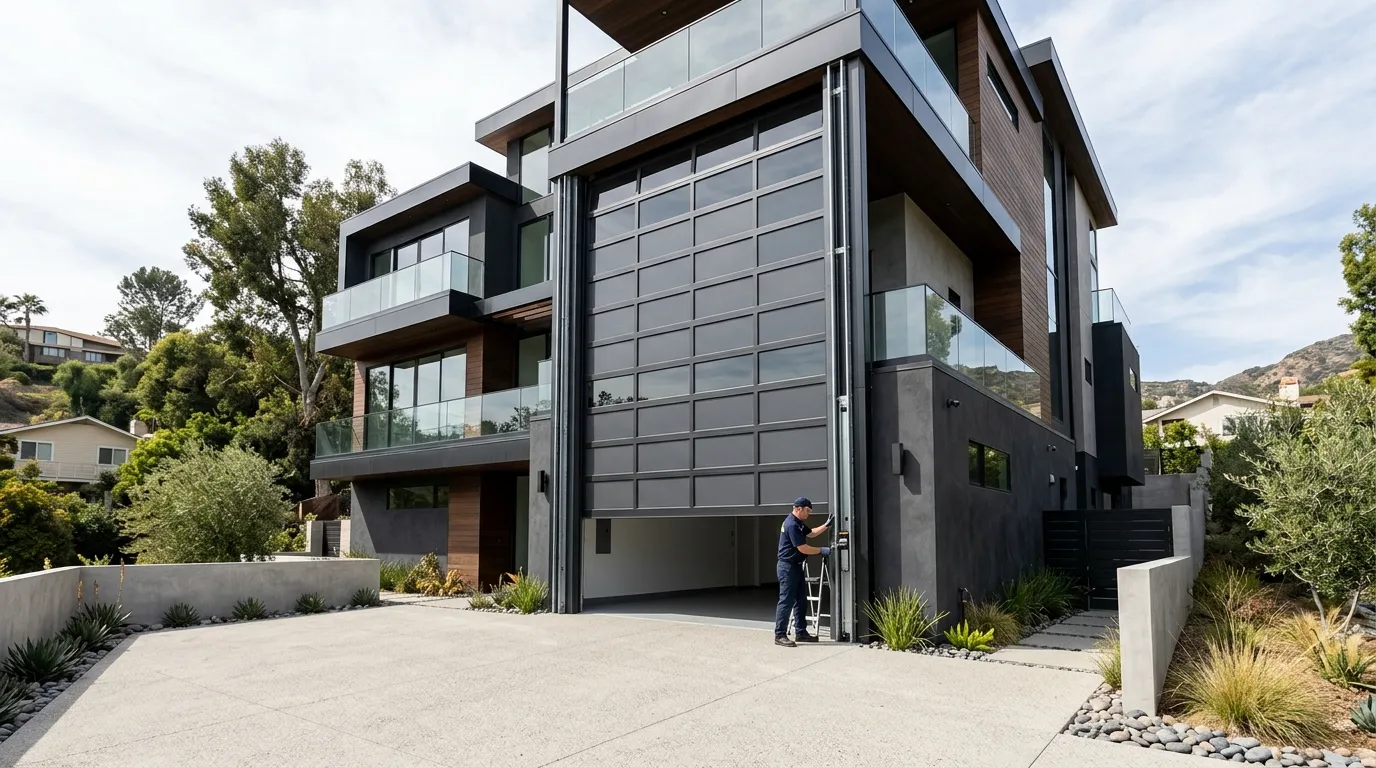
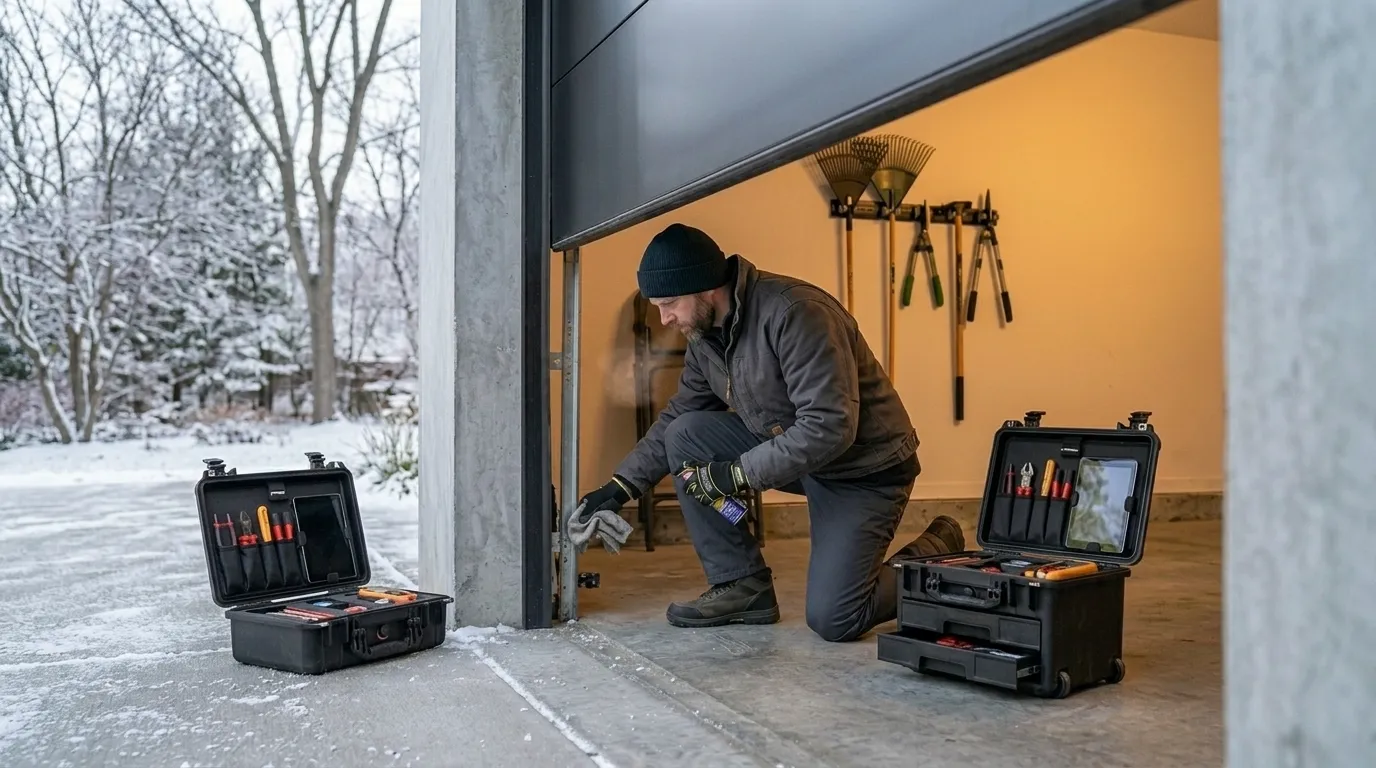
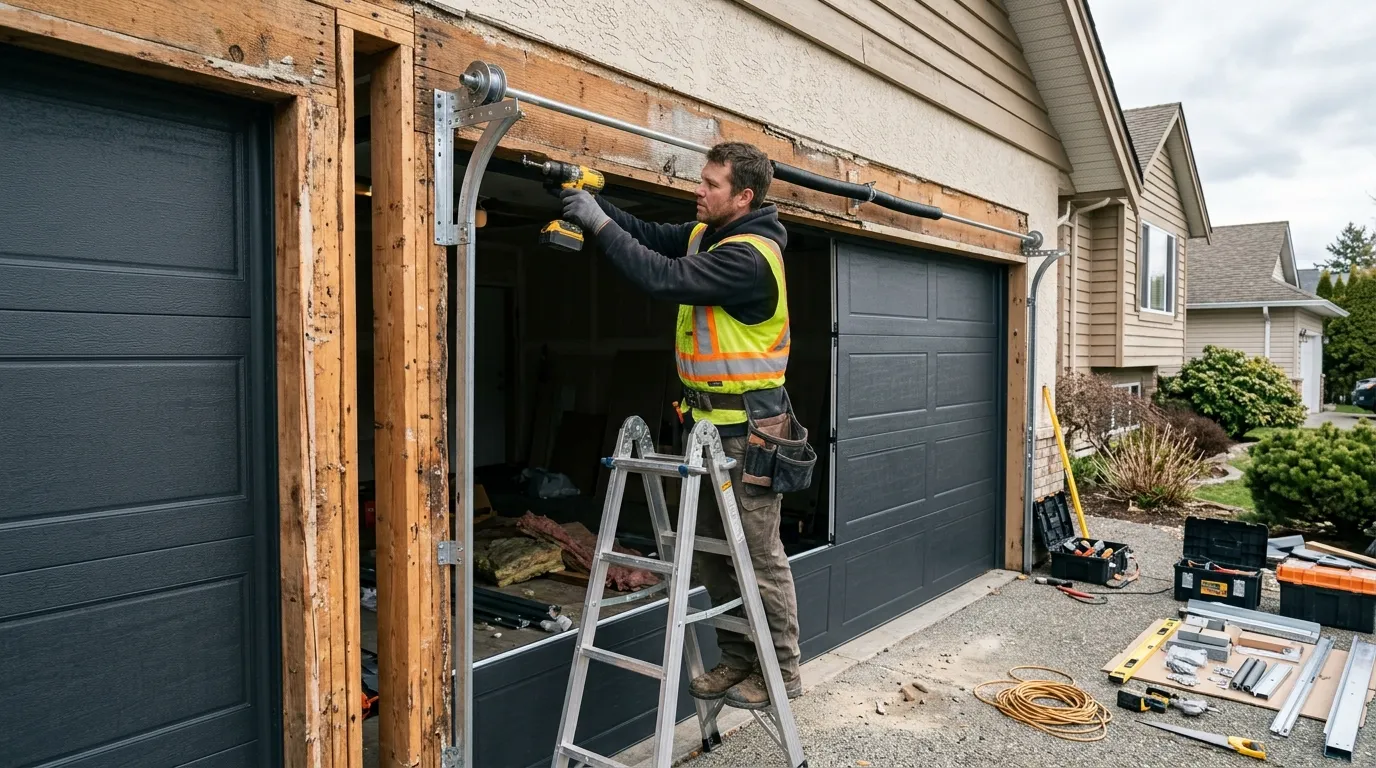
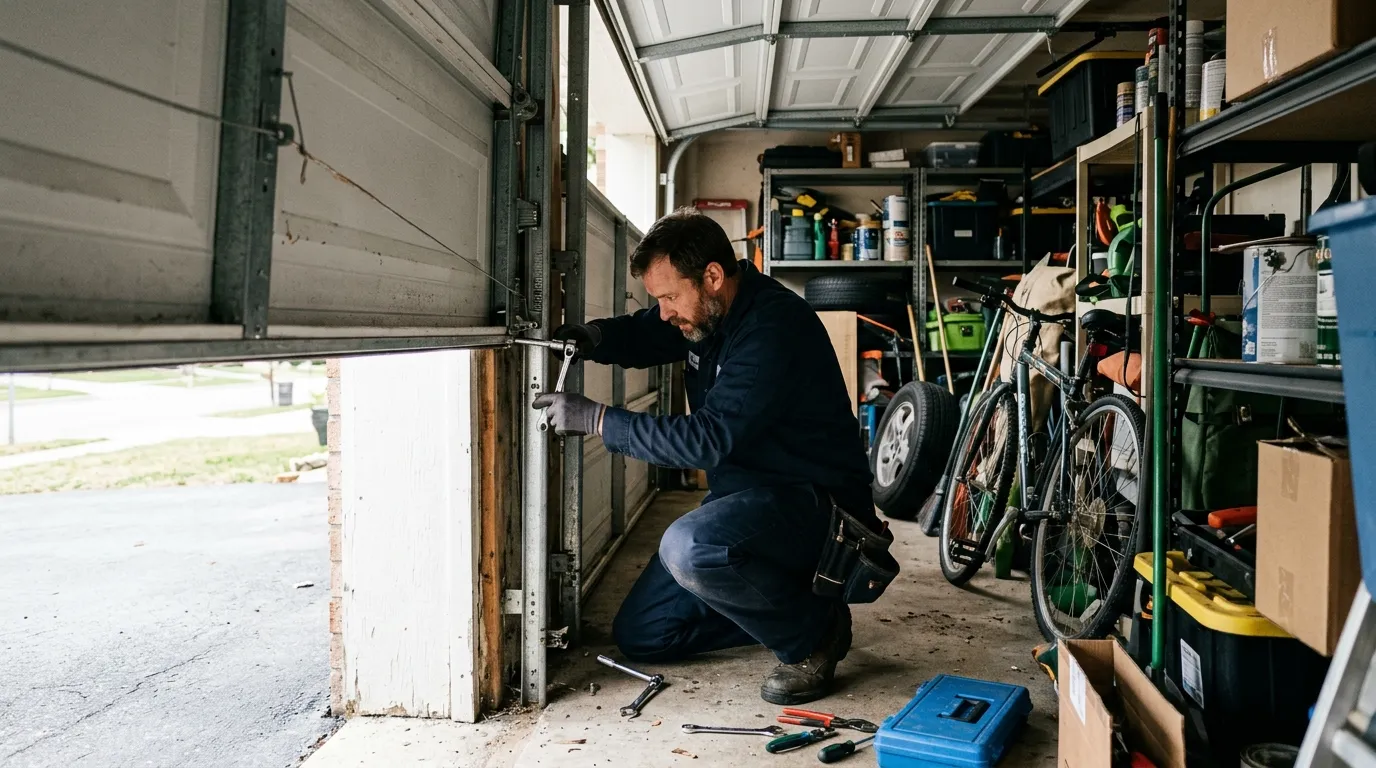
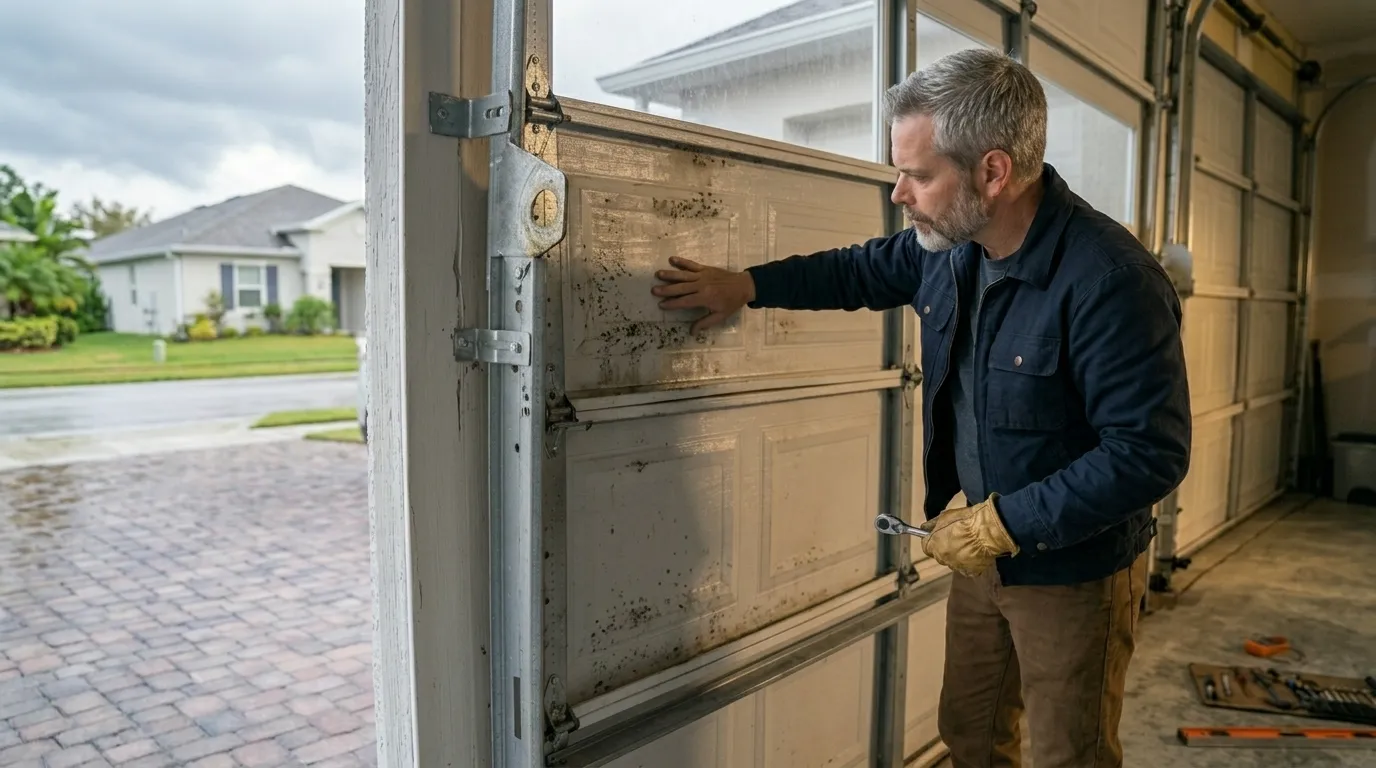
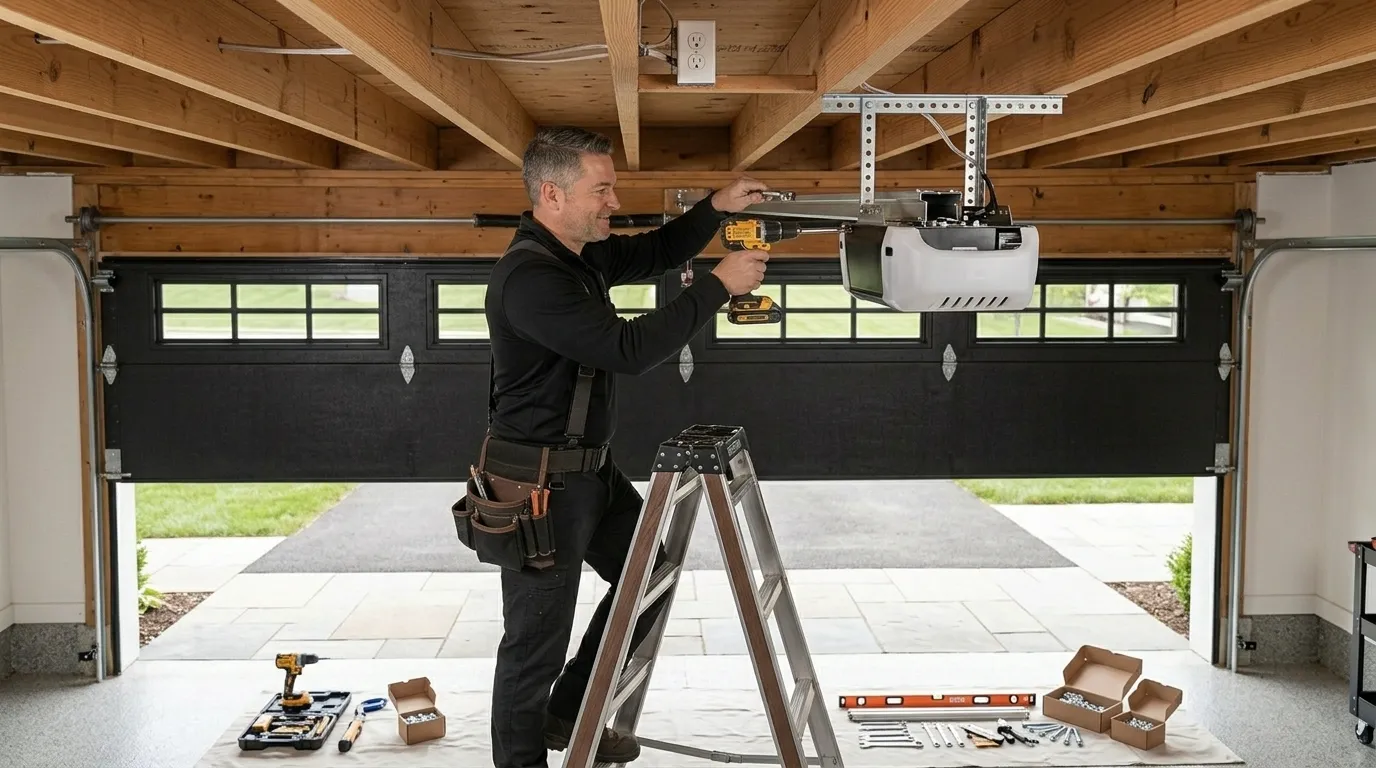
The calls we get from The Hammocks skew toward newer hardware than what we see closer to Miami. Steel sectional doors with factory rollers and torsion springs rated for a garage door built after 1991 are the norm, so the failures look different: a torsion spring that's simply worn out after years of cycles, a worn nylon idler pulley on an older-style extension setup, or an opener logic board giving out well before the door itself does. We don't see many of the original one-piece doors or side-mounted hardware that show up on 1960s-era houses elsewhere in the service area - the housing stock here is just too young for that. What we do see is opener remotes and keypads that have outlived their usefulness, and weatherstripping that's cracked from years of Miami sun rather than storm damage. If a spring has snapped, that's usually a straightforward swap on hardware this age, since the parts are still current.
What the Housing Means for Your Door
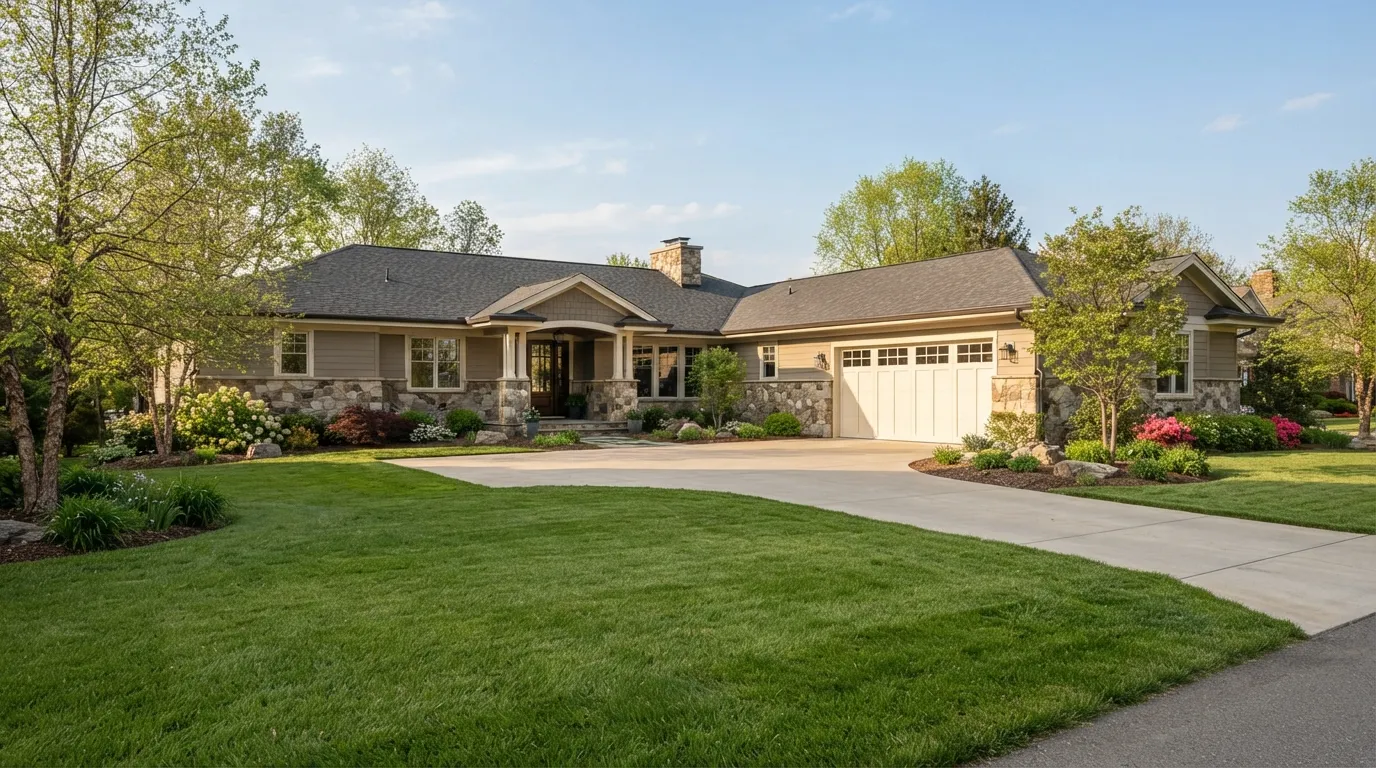
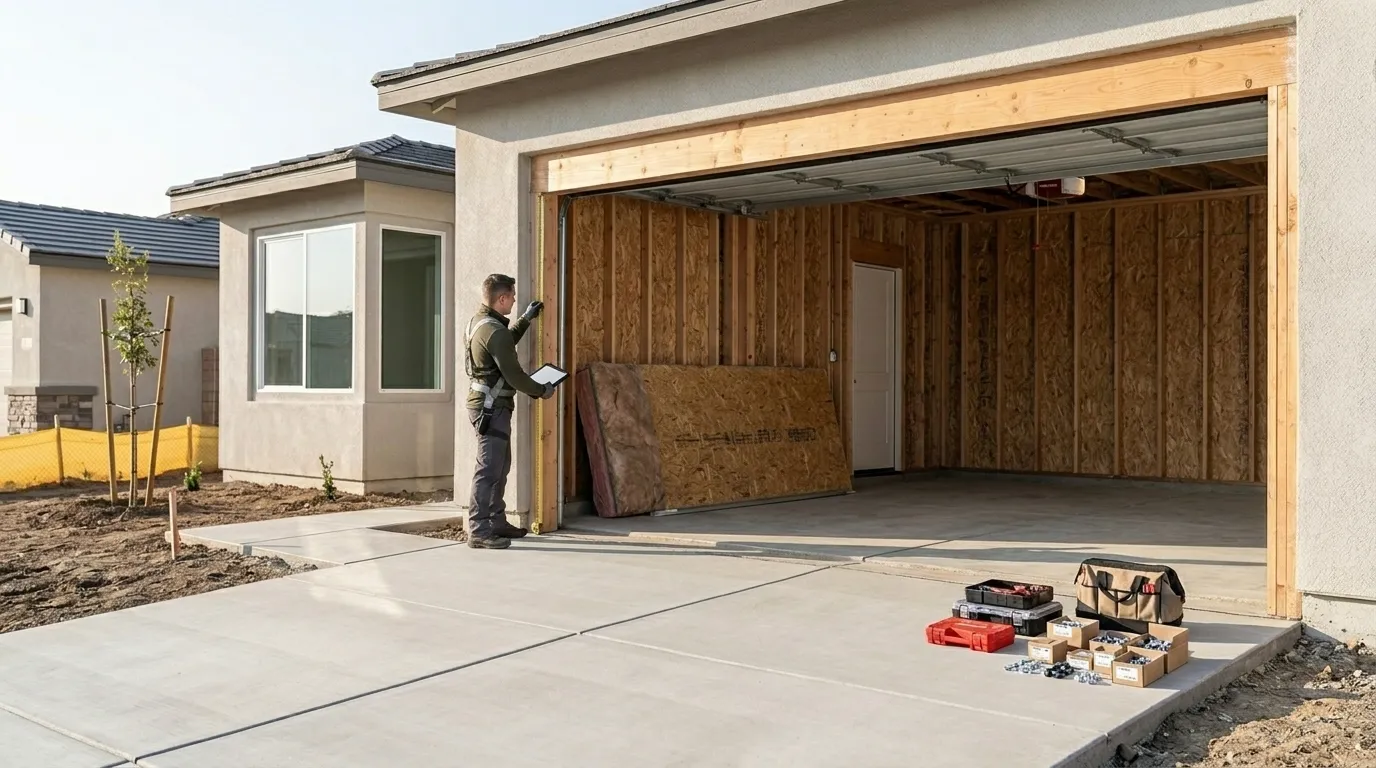
The median home in The Hammocks was built around 1991, which puts most garage doors here squarely in the steel-sectional era - nothing exotic, nothing obsolete. Compare that to the broader Miami service area, where the housing stock spans 1953 to 2005 with a median closer to 1976, and you can see why the fixes differ block to block once you cross into older neighborhoods. Here, a broken spring or a failed opener is rarely a hardware-matching problem, because the doors and tracks are standard sizes that any supplier still stocks. The mild, humid climate across the region does the same slow work on rubber seals and metal fasteners everywhere, so weatherstripping and hinge corrosion are common regardless of the house's age. What's different in The Hammocks is that you're less likely to need a full frame rebuild just to get a modern door to fit - the openings were already built to today's standard sizes.