Common Jobs Here
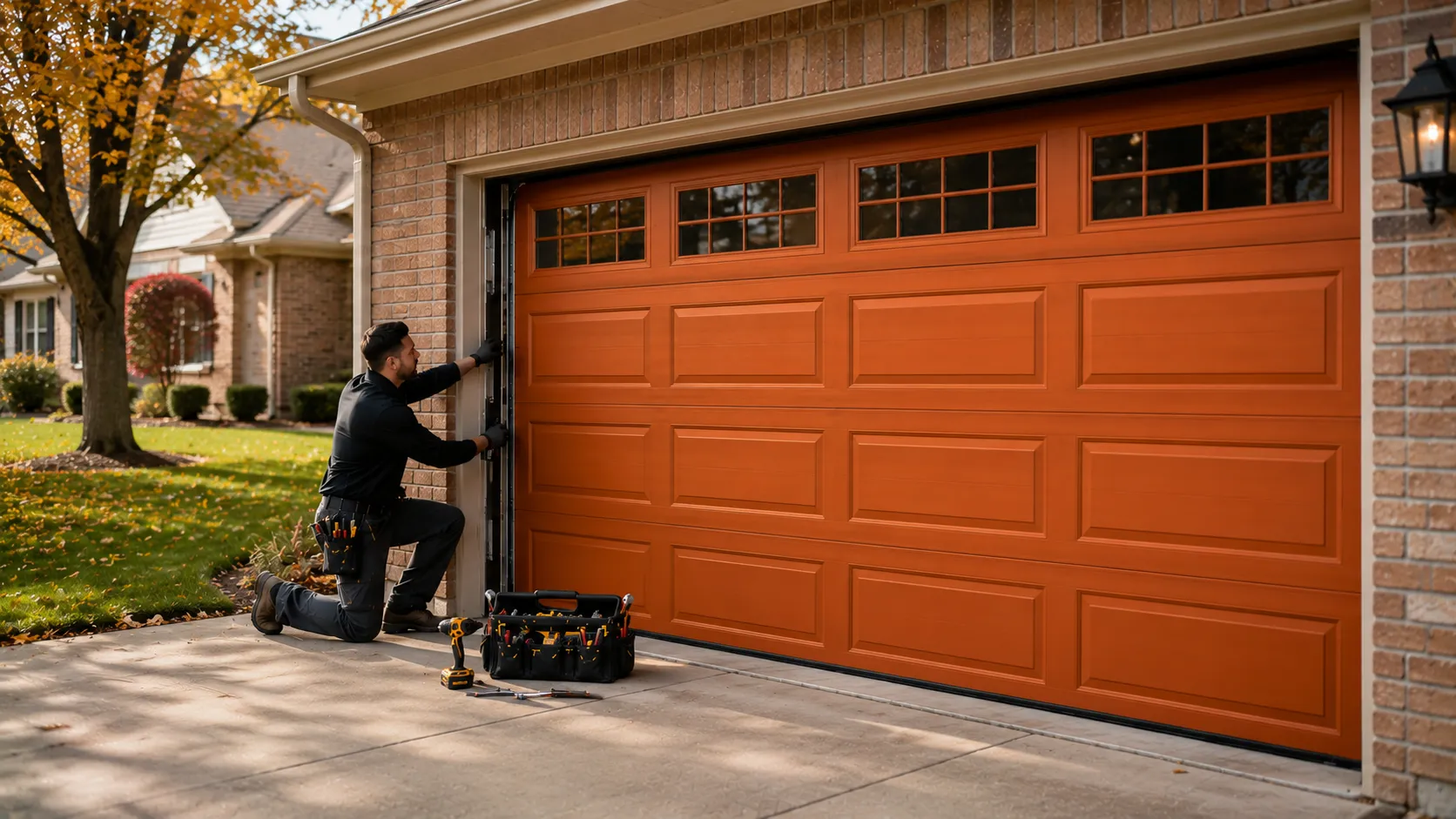
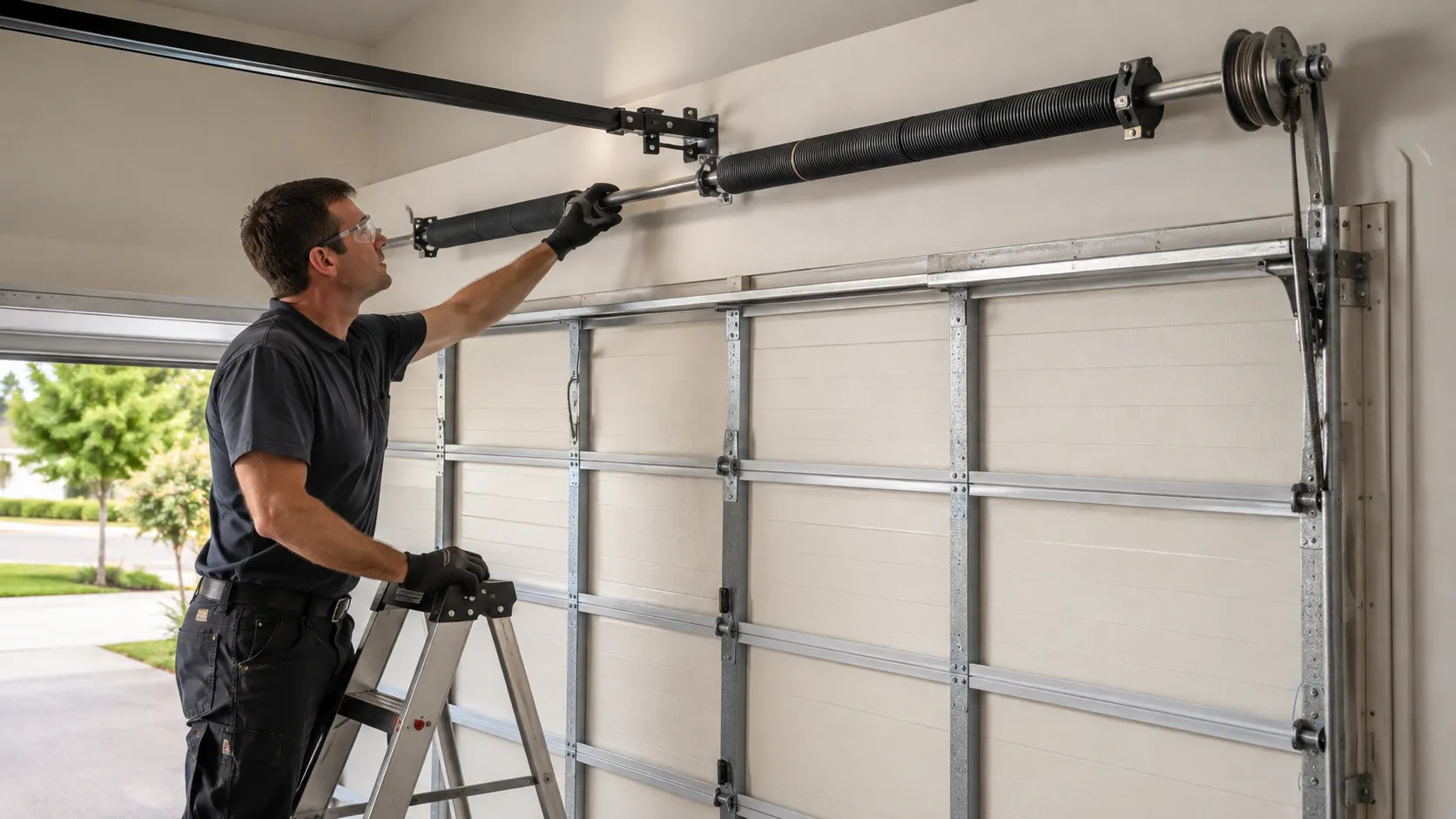
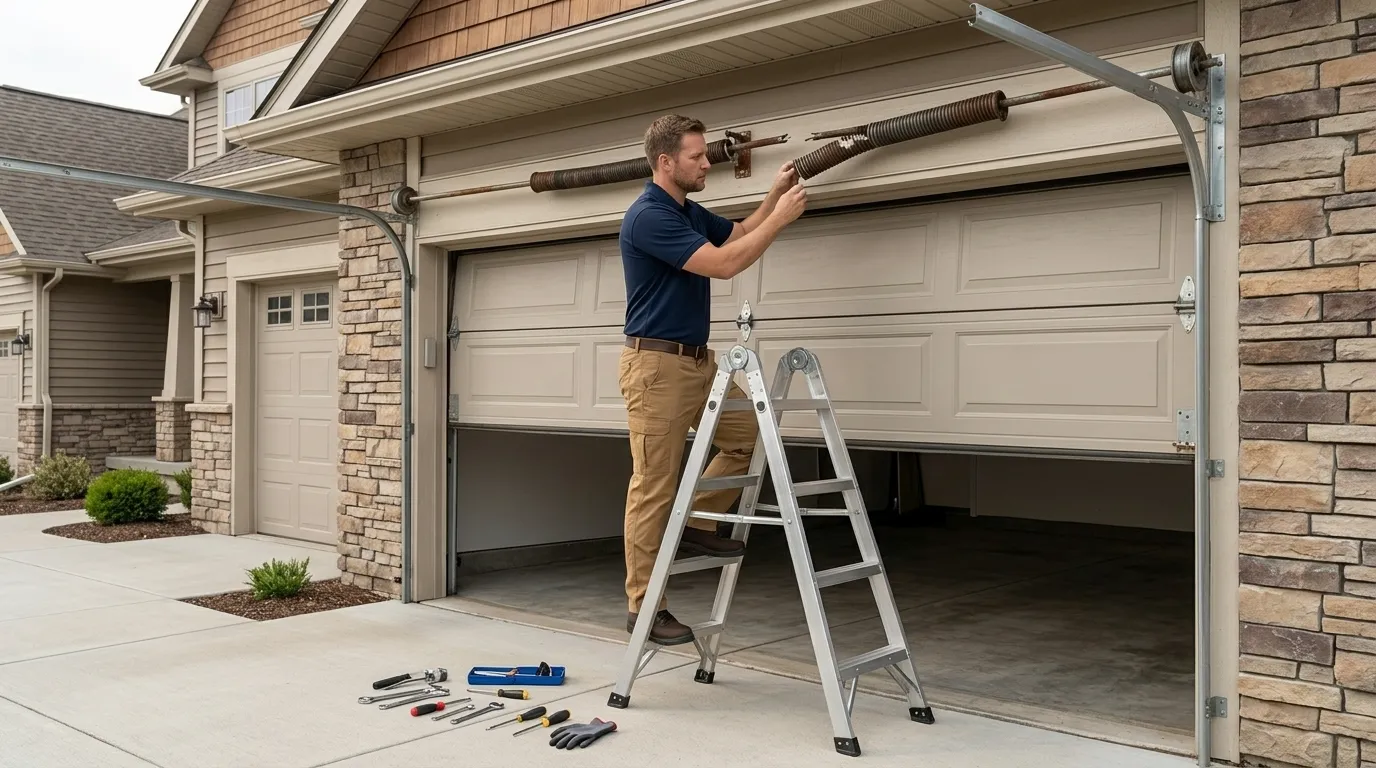
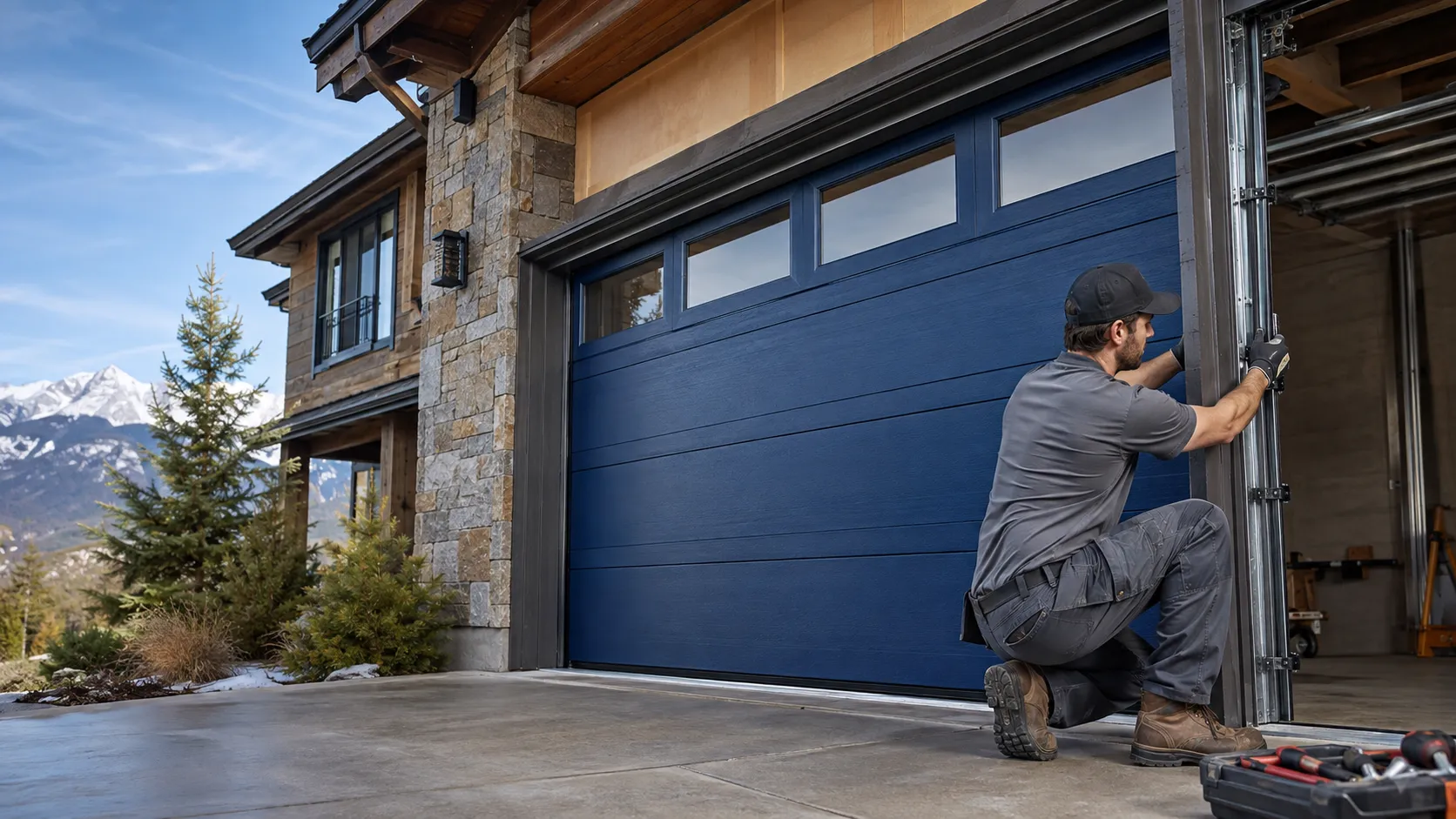
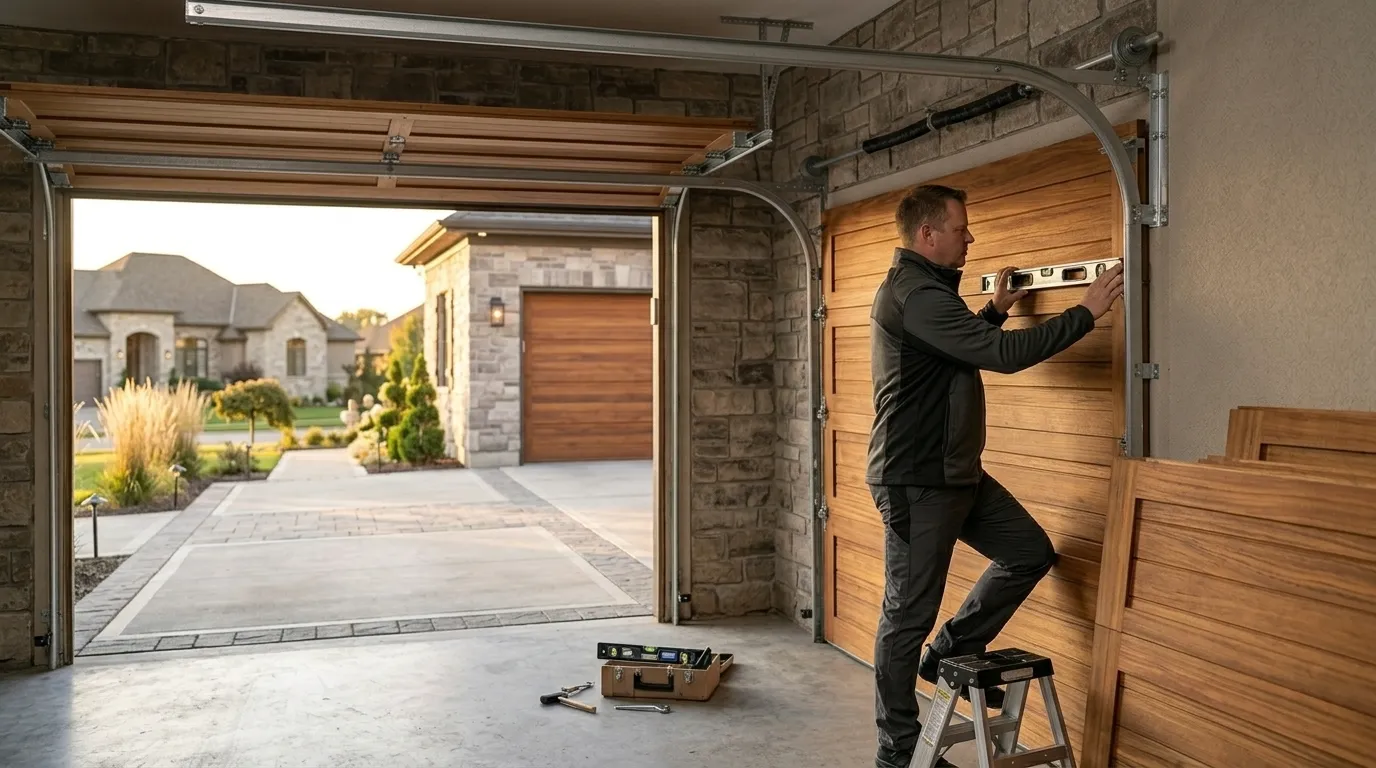
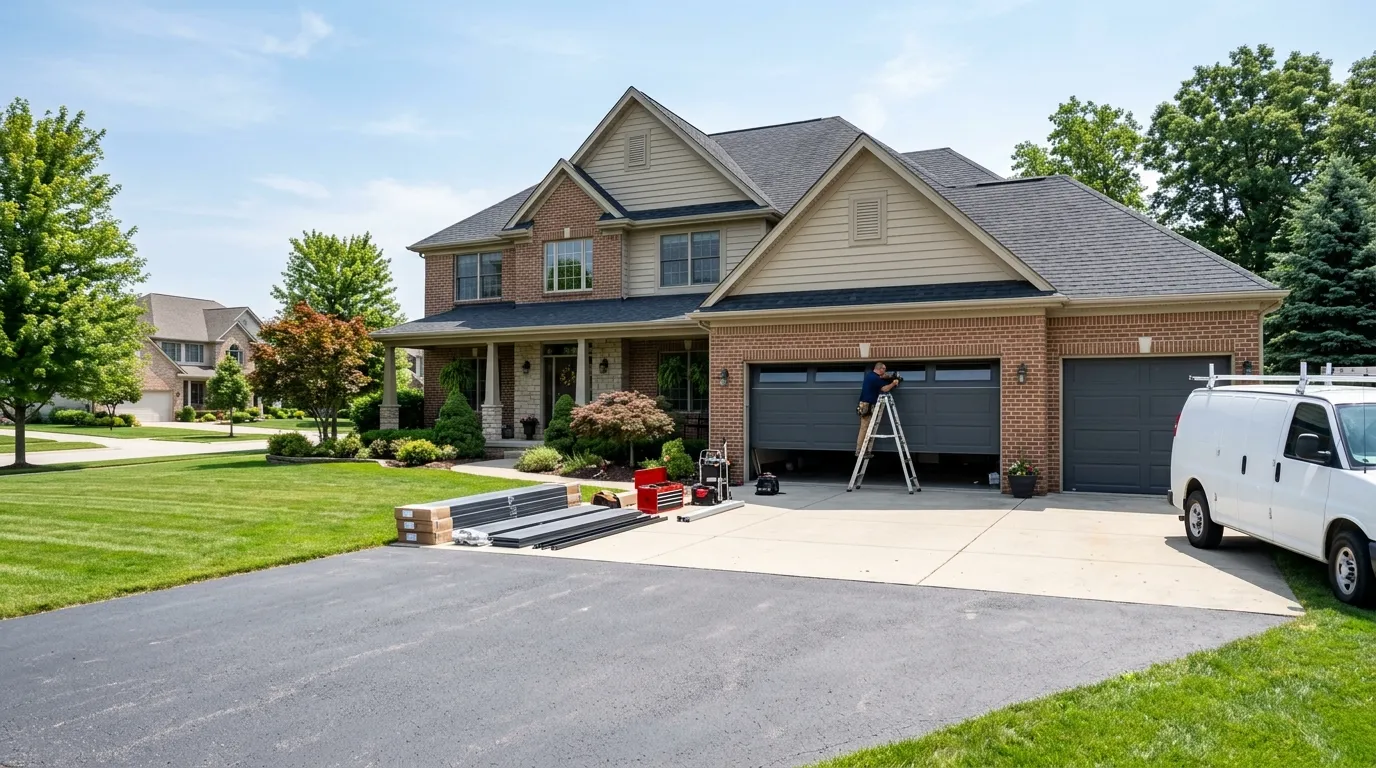
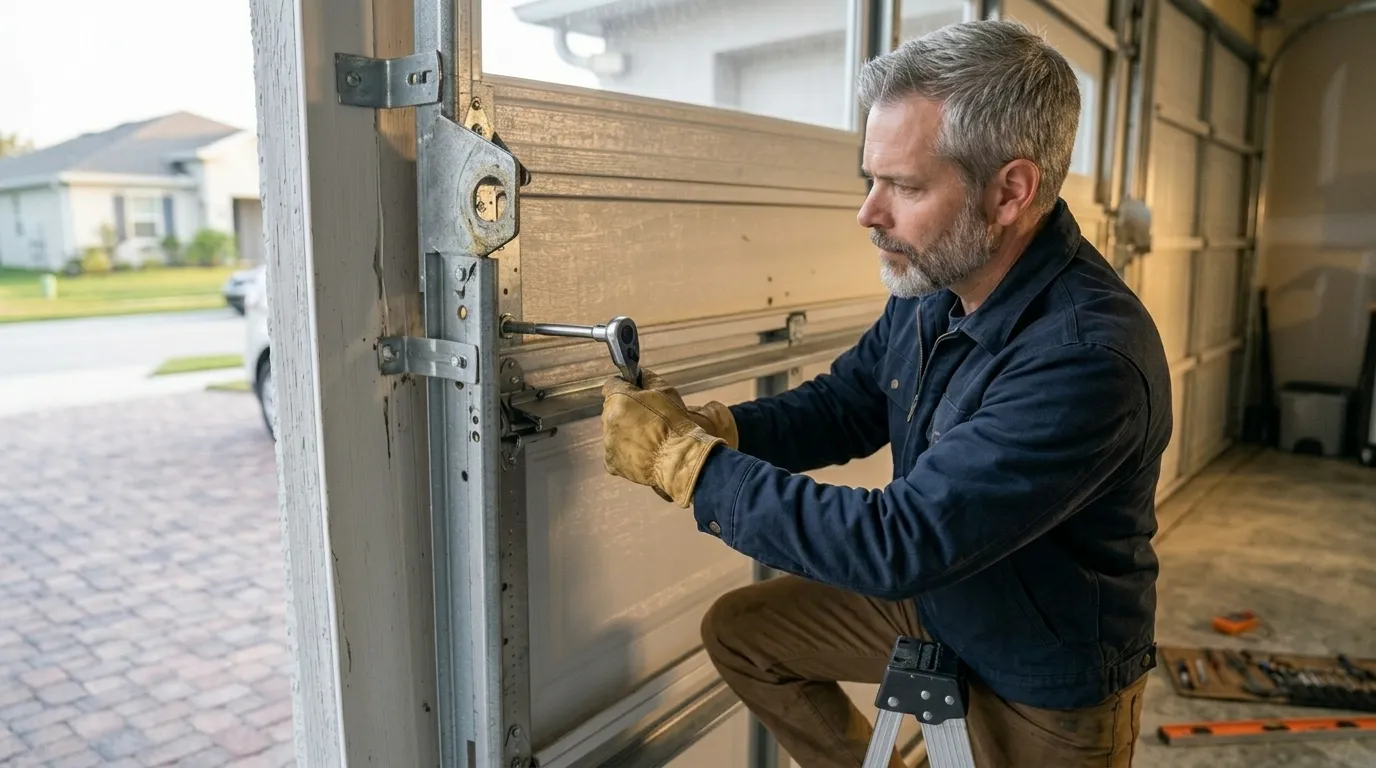
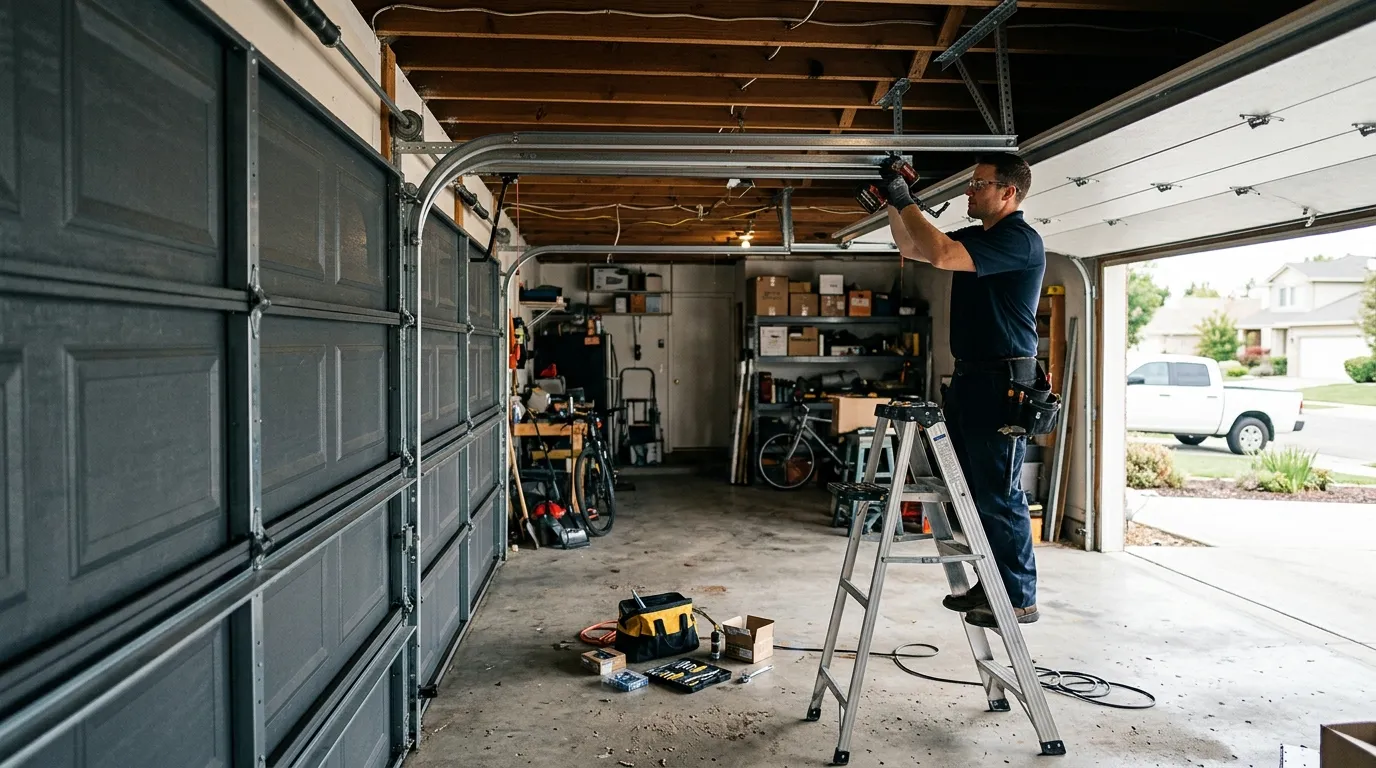
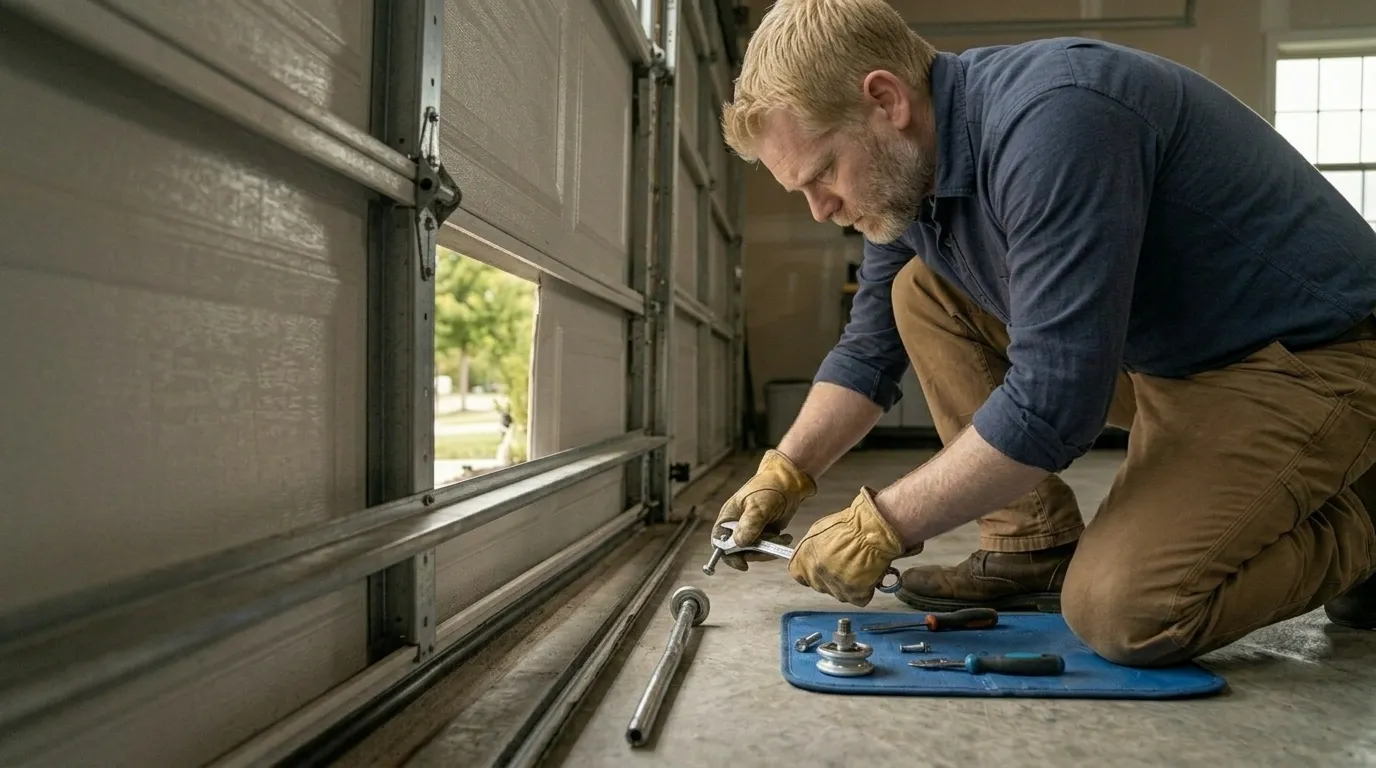
The typical call here isn't the same call we get in a neighborhood built in the 1990s. With a lot of this area's houses going up around 1958, we see extension springs mounted along the horizontal tracks far more than torsion bars over the door - that's the older way of doing it, and it means a different repair, different safety cables (if any were ever added), and a spring that costs less but wears out on its own schedule. We also see original single-car openings that never got widened, which limits which door widths and opener rail lengths actually fit without reframing. Openers themselves are often a second- or third-generation replacement bolted onto original track hardware from decades ago, so a chain drive skipping or grinding is frequently a track alignment problem going back to how the house was originally framed, not just a worn gear. We'll say plainly: if a track is bent from age and a previous board-up, sometimes replacing the door is the better spend than chasing another track repair on hardware that old.
What the Housing Means for Your Door
Mild temperate weather across the service area means the doors here aren't fighting freeze-thaw cycles or heavy snow load the way doors up north do, so a lot of failures come down to age and metal fatigue rather than storm damage. On a door installed when the house was built in 1958, that's over six decades of cycling on hardware that was never rated for today's opener speeds. Extension springs from that era, if original, are long past any reasonable service life, and the galvanized coating on older tracks tends to be thinner than what ships today, so surface rust shows up even without a lot of rain exposure. The upside of the mild climate is that panel warping and weatherstrip failure are less common complaints here than in areas with real seasonal swings - when we do get called out, it's almost always the moving parts, not the door skin itself.