Common Jobs Here
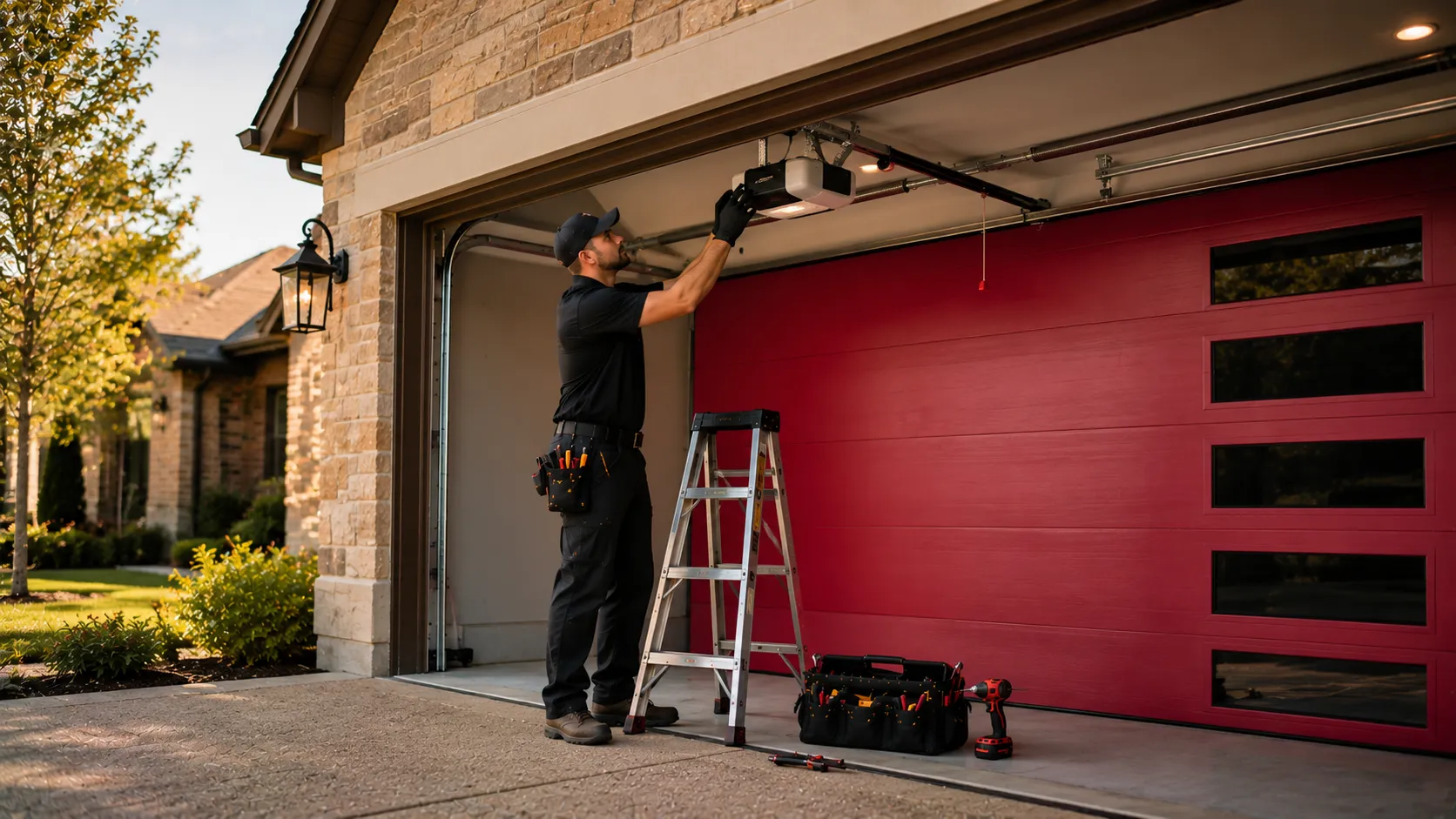
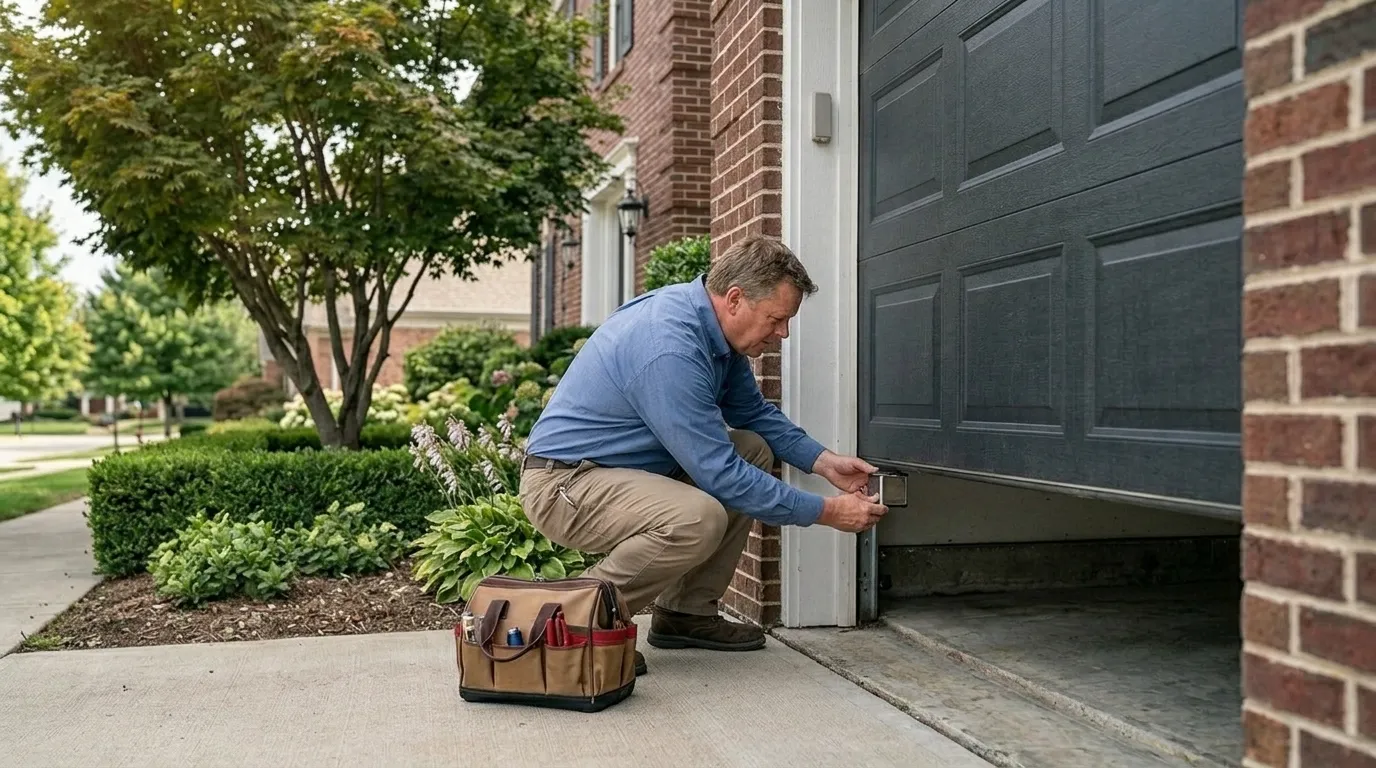
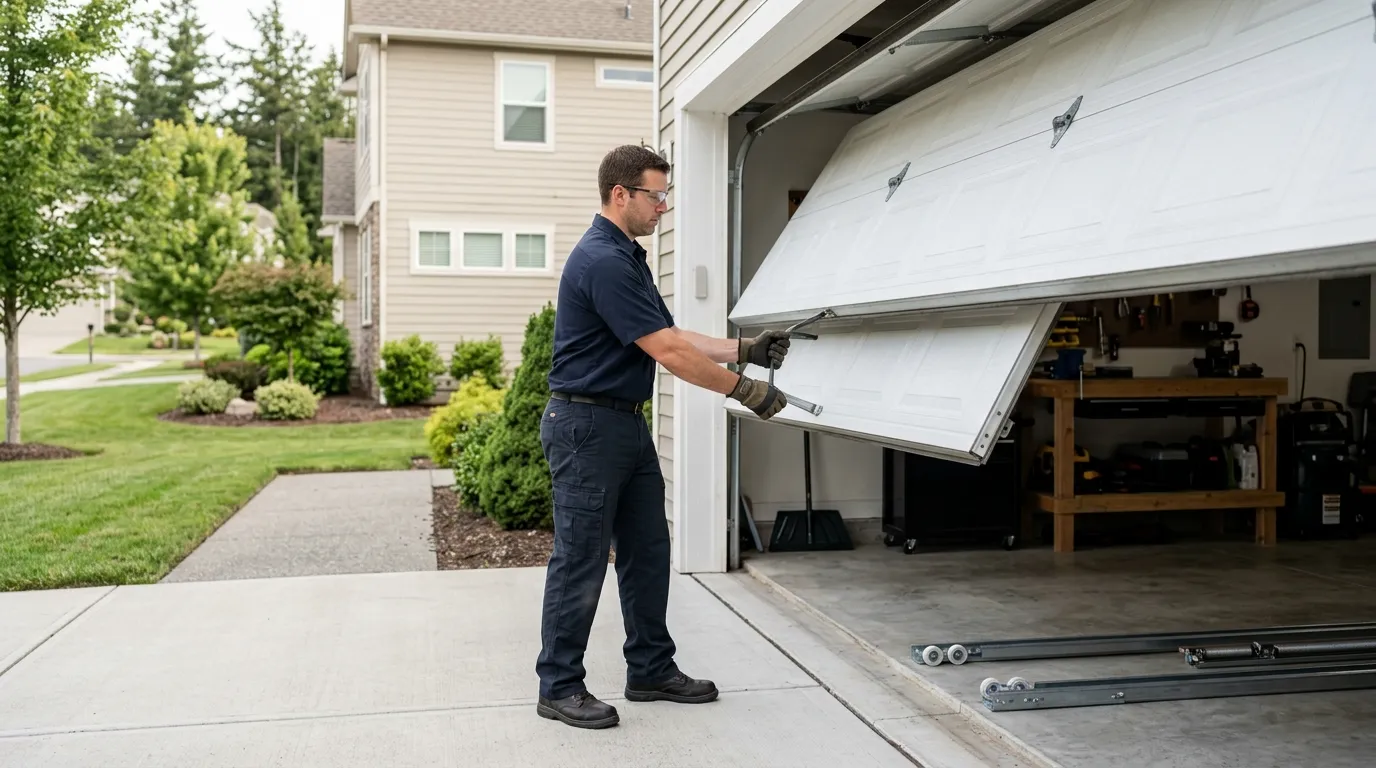
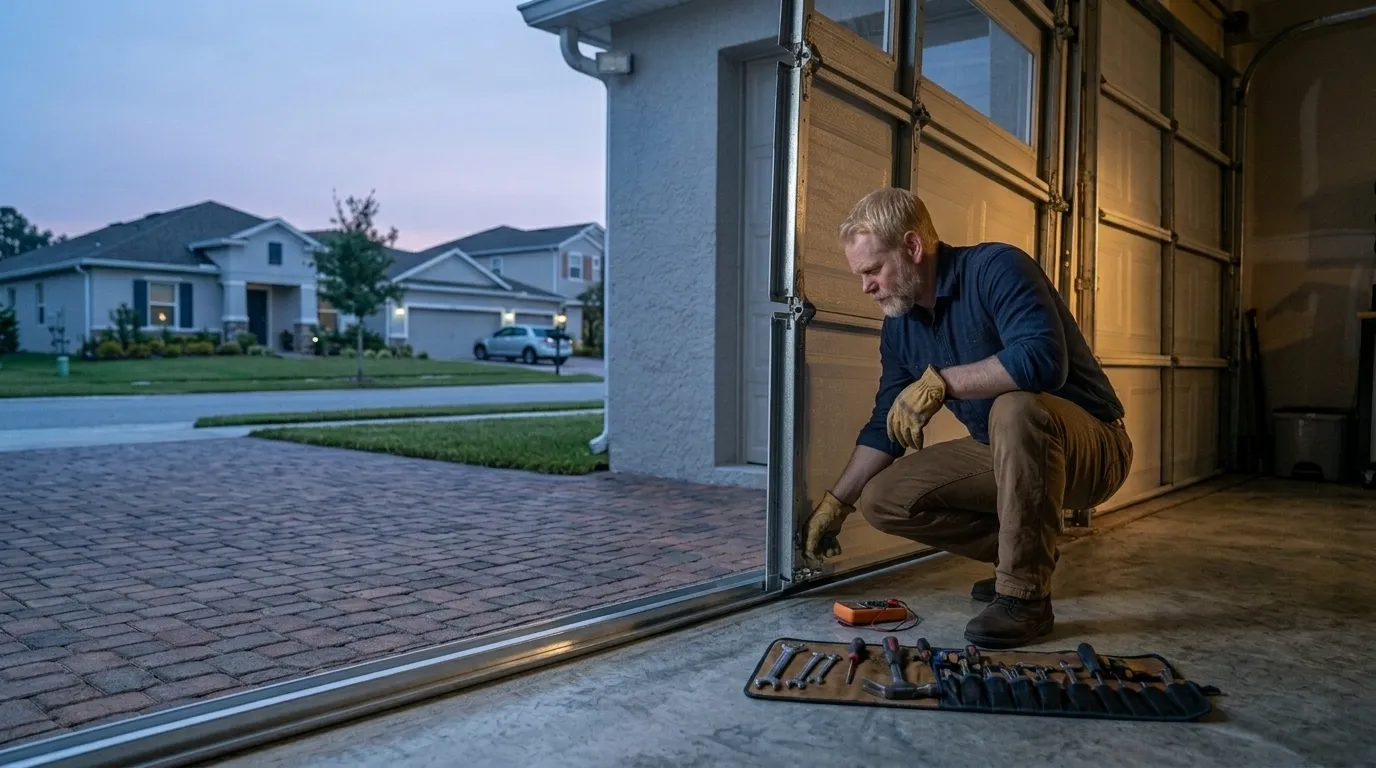
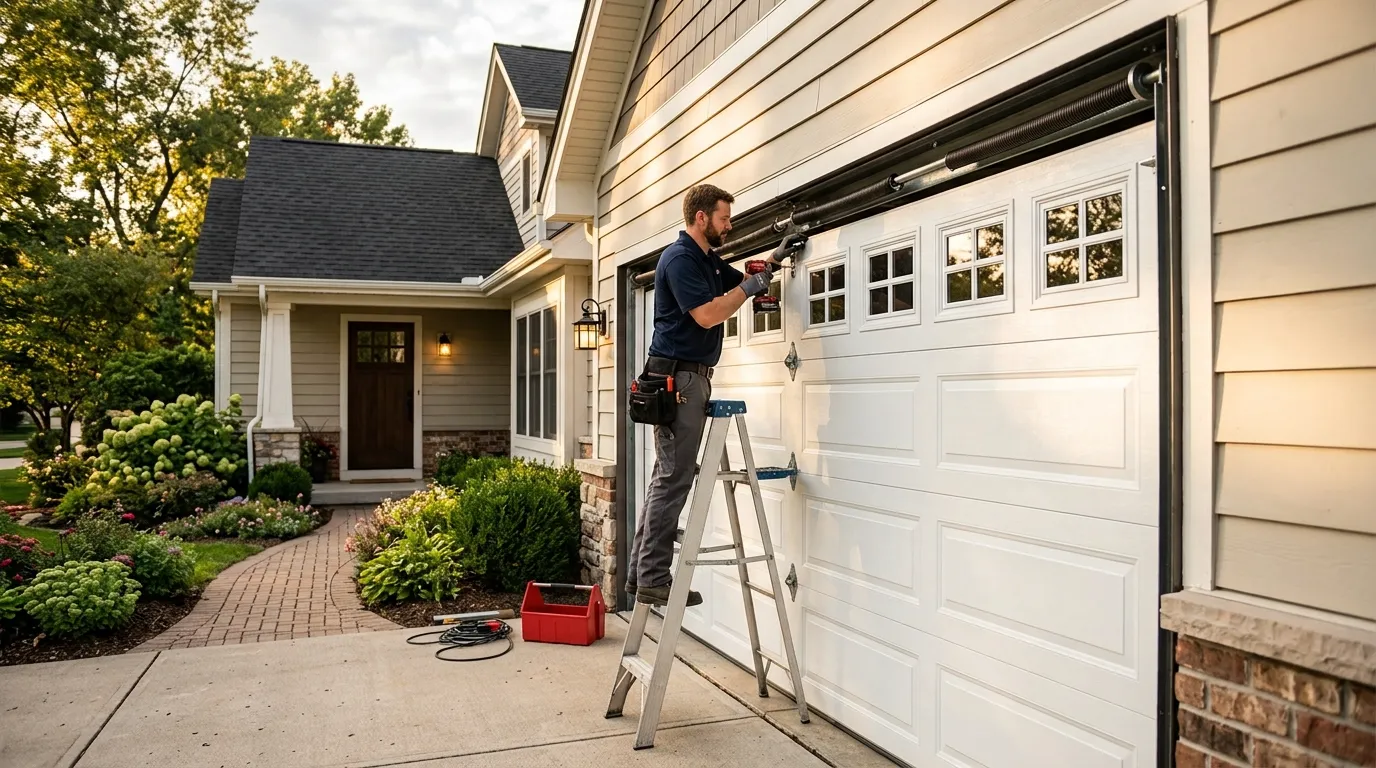
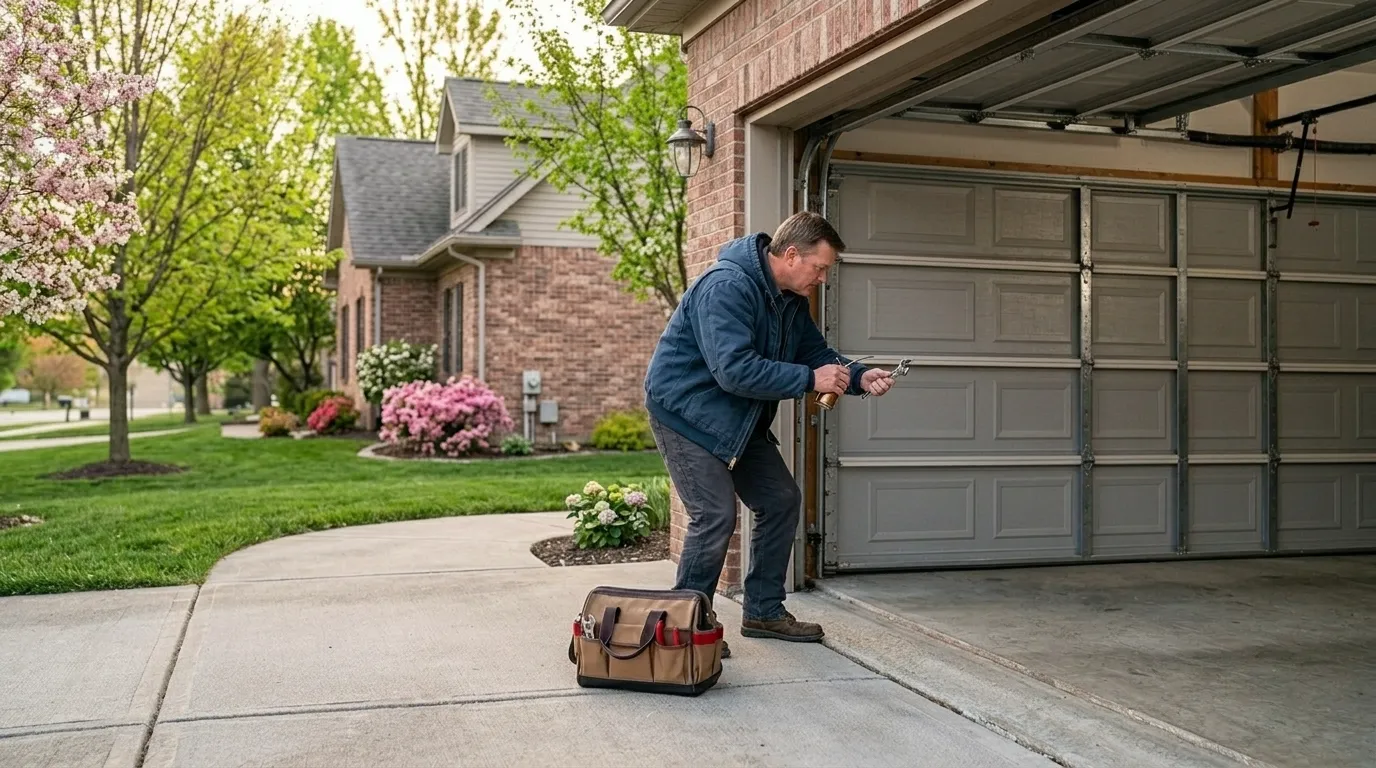
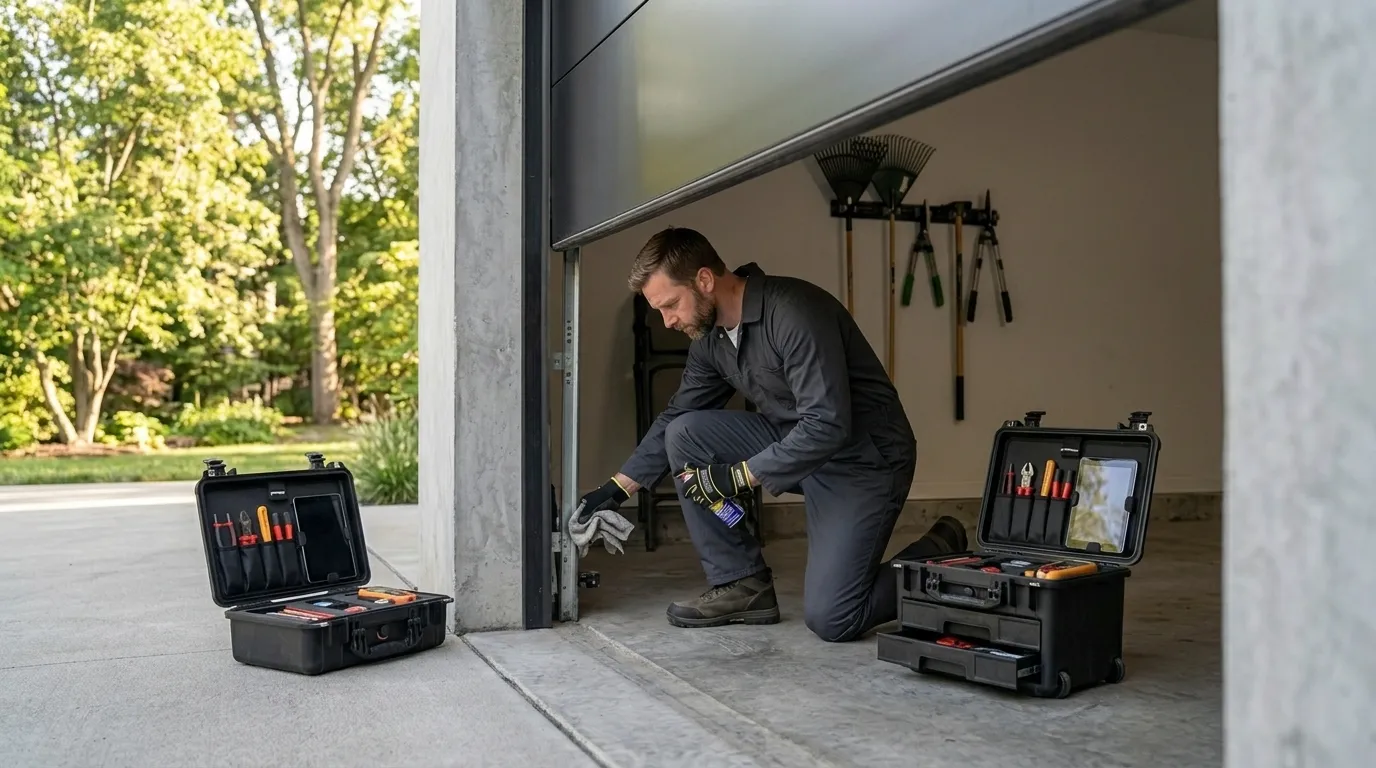
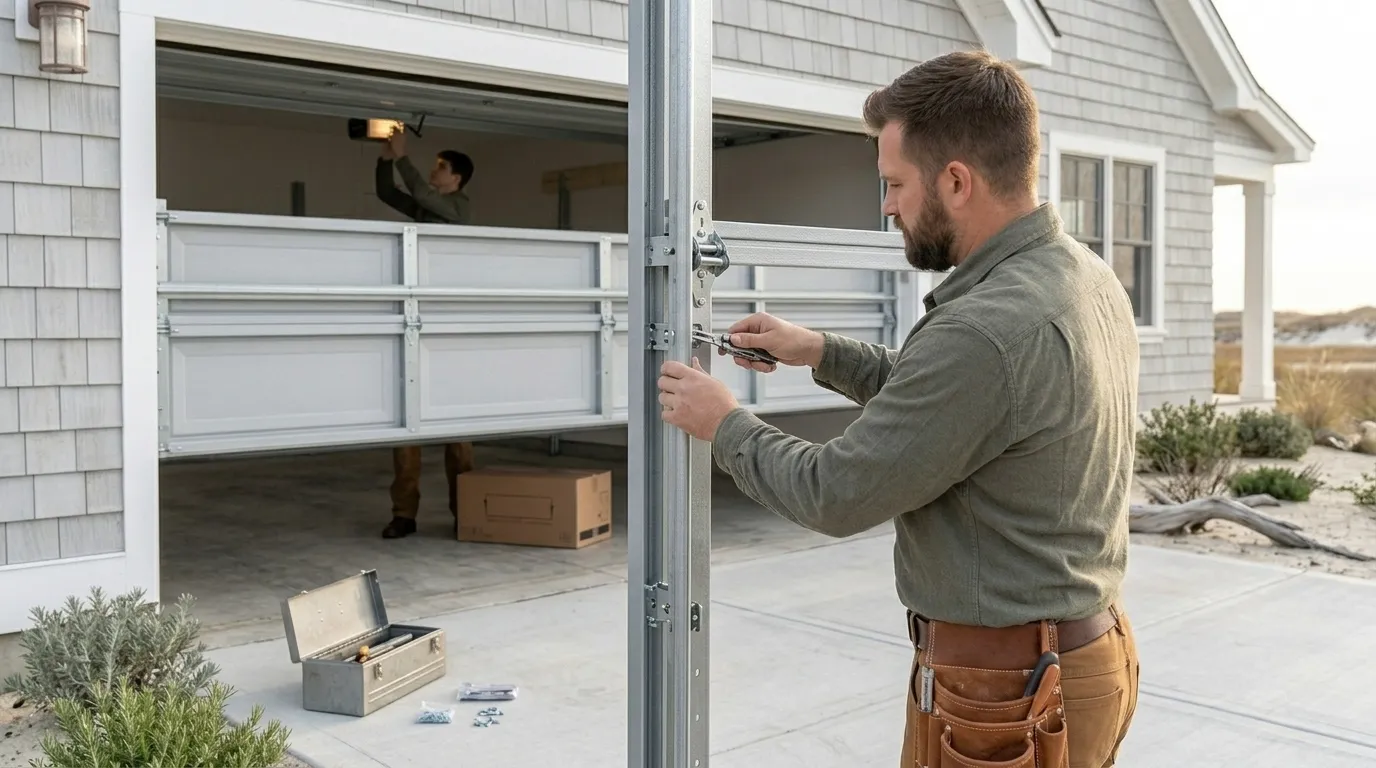
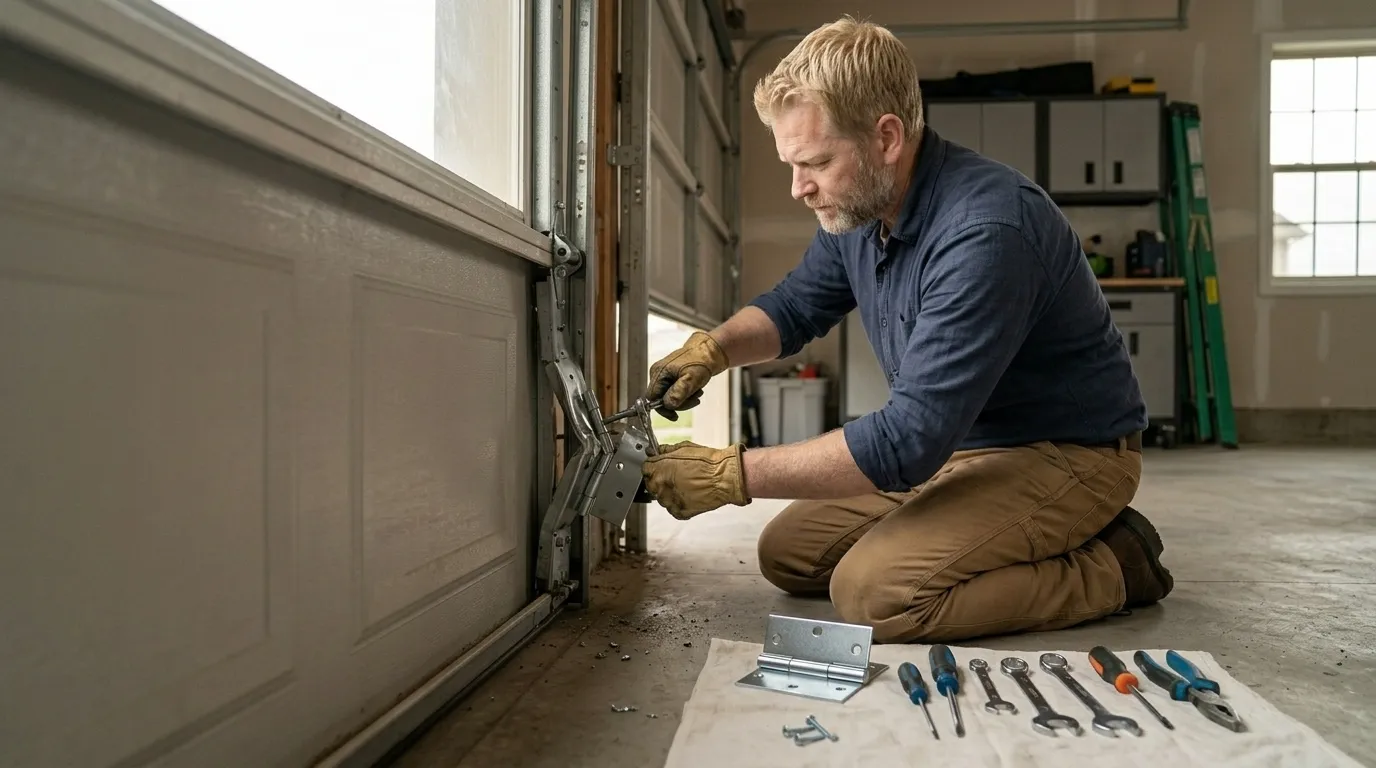
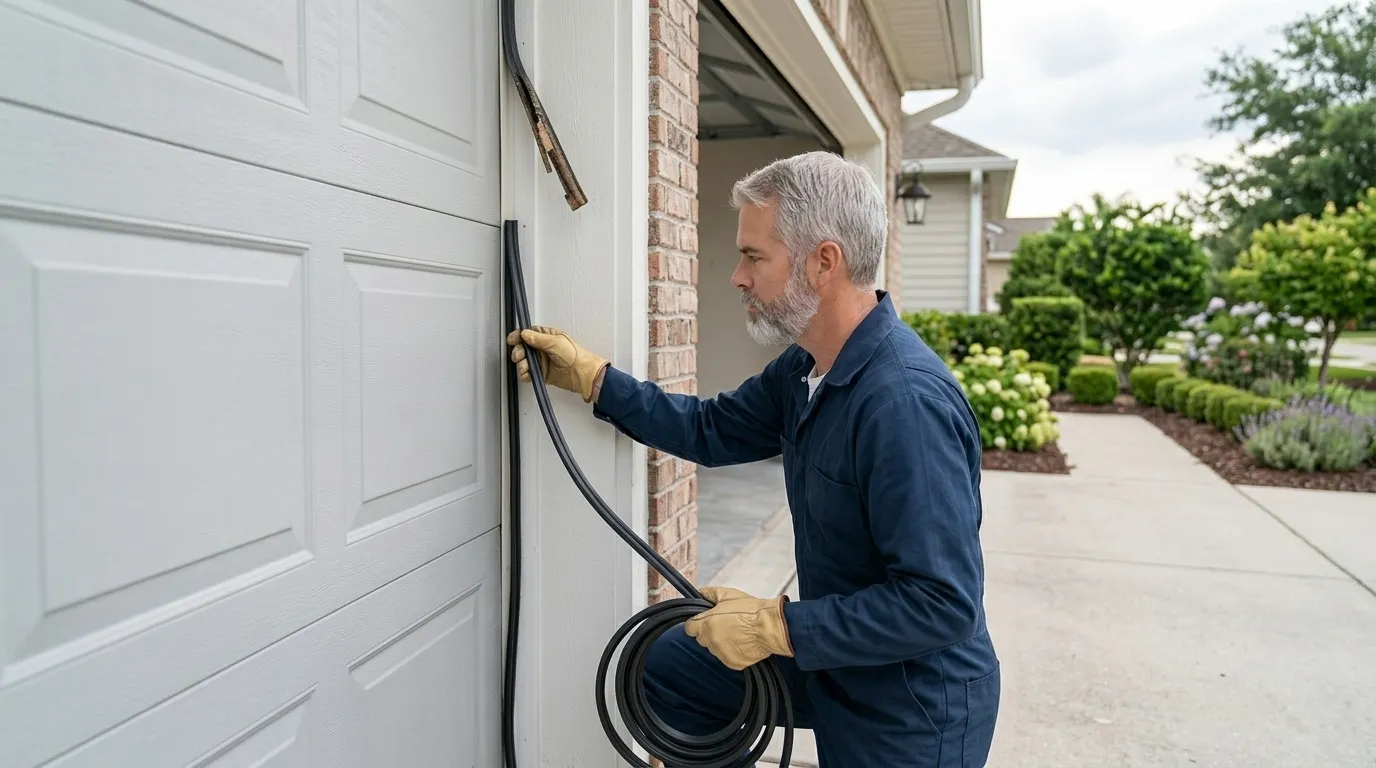
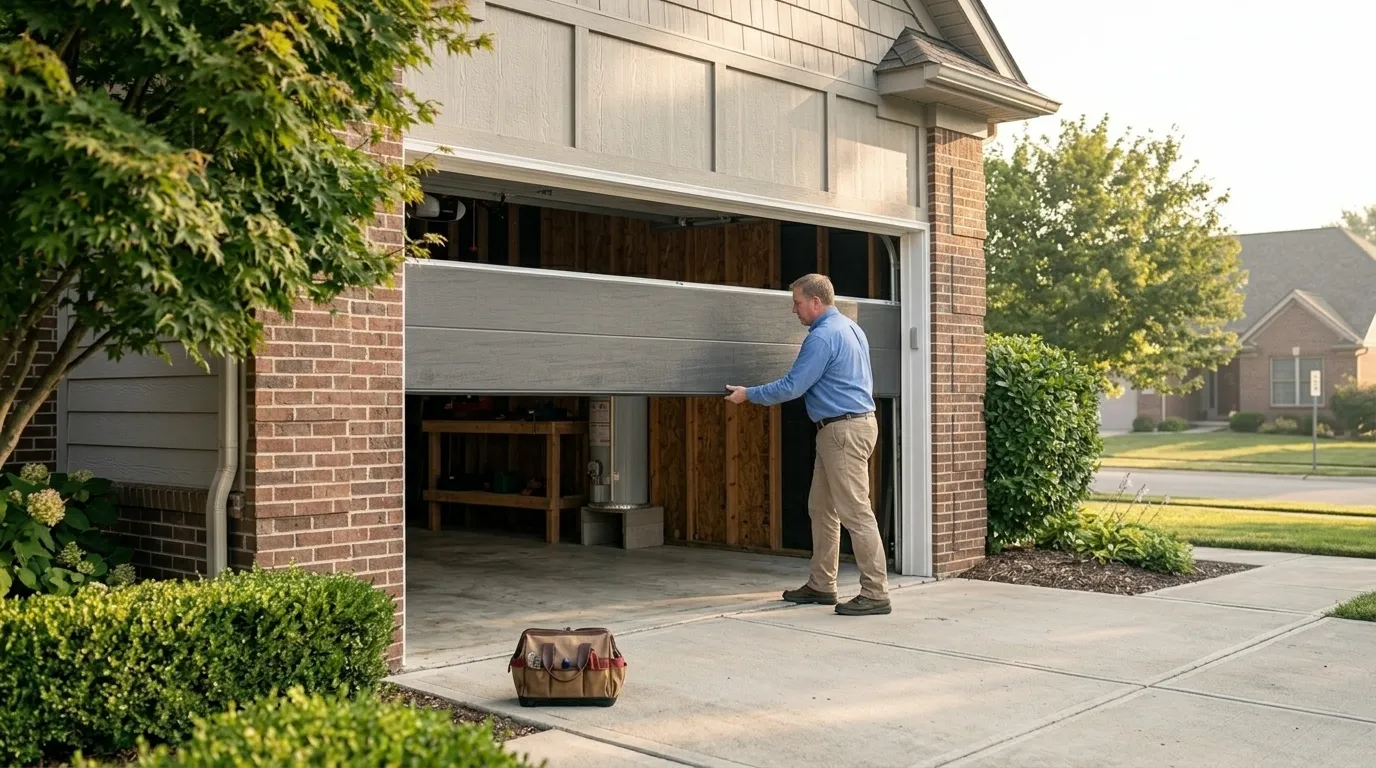
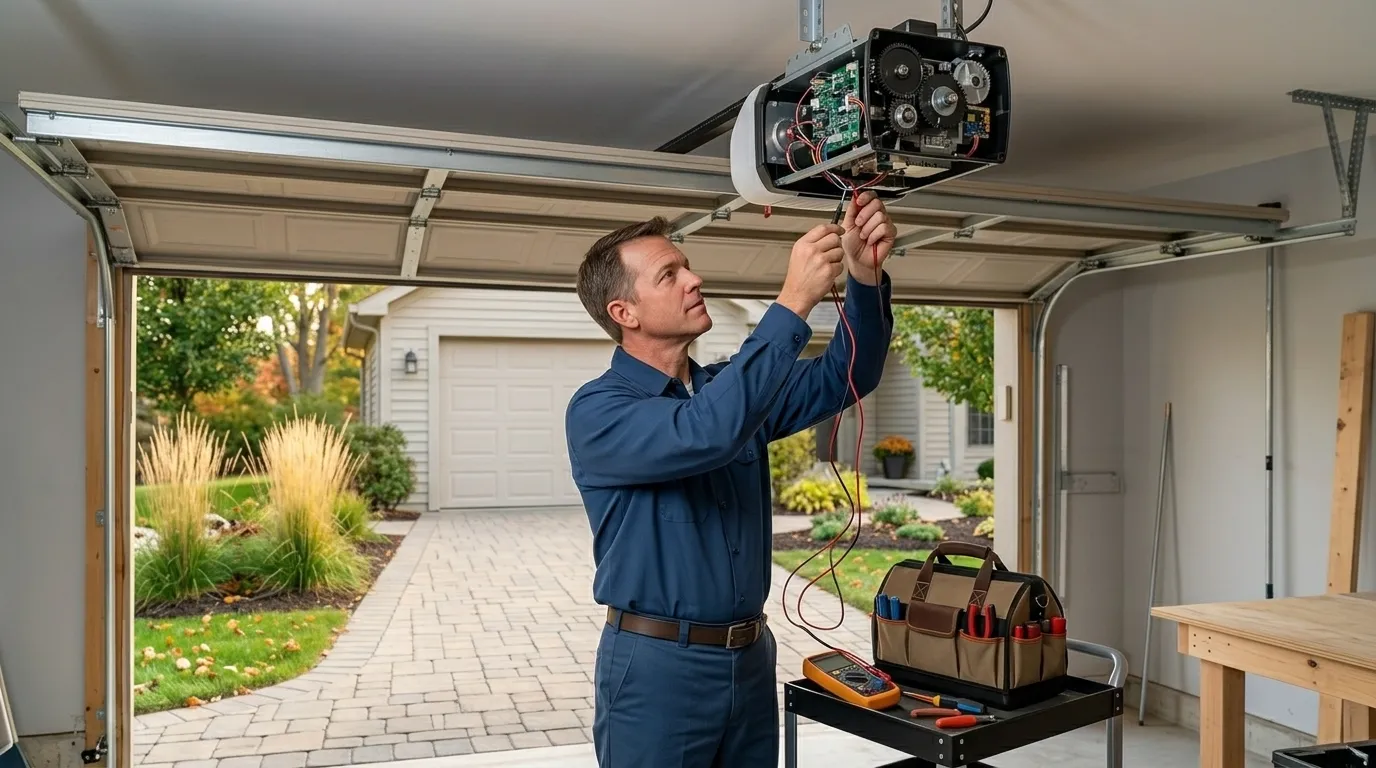
Because West Park's houses mostly went up around 1962, the calls we get here skew toward original or first-replacement hardware rather than the newer insulated sectional doors you see in later subdivisions. That means torsion springs sized for older, heavier wood or steel slab doors, worn-out extension spring setups on garages that were never upgraded to torsion, and openers that have outlived two or three homeowners. We also see plenty of track misalignment from doors that were never perfectly plumb to begin with, and rollers that have gone well past their service life on doors nobody's touched since installation. One thing we're honest about: if the door itself is a 60-year-old steel slab with rust through the bottom panel, patching the opener isn't worth your money - replacement is usually the better call at that point.
What the Housing Means for Your Door
A house built in 1962 was framed for the doors and hardware standards of that decade, and a lot of West Park garages still have the original opening dimensions and header framing from then. That matters when we're sizing a replacement door or a new spring - a door built to 1962 rough openings doesn't always match off-the-shelf standard sizes without some adjustment at the jamb. It also means the electrical run to the garage is often older, sometimes a single outlet with no dedicated circuit, which limits what opener we can install without an electrician involved first. None of this is a problem, but it does change the estimate. We'd rather tell you that up front than surprise you with a change order once the truck's already there.