
Common Jobs Here
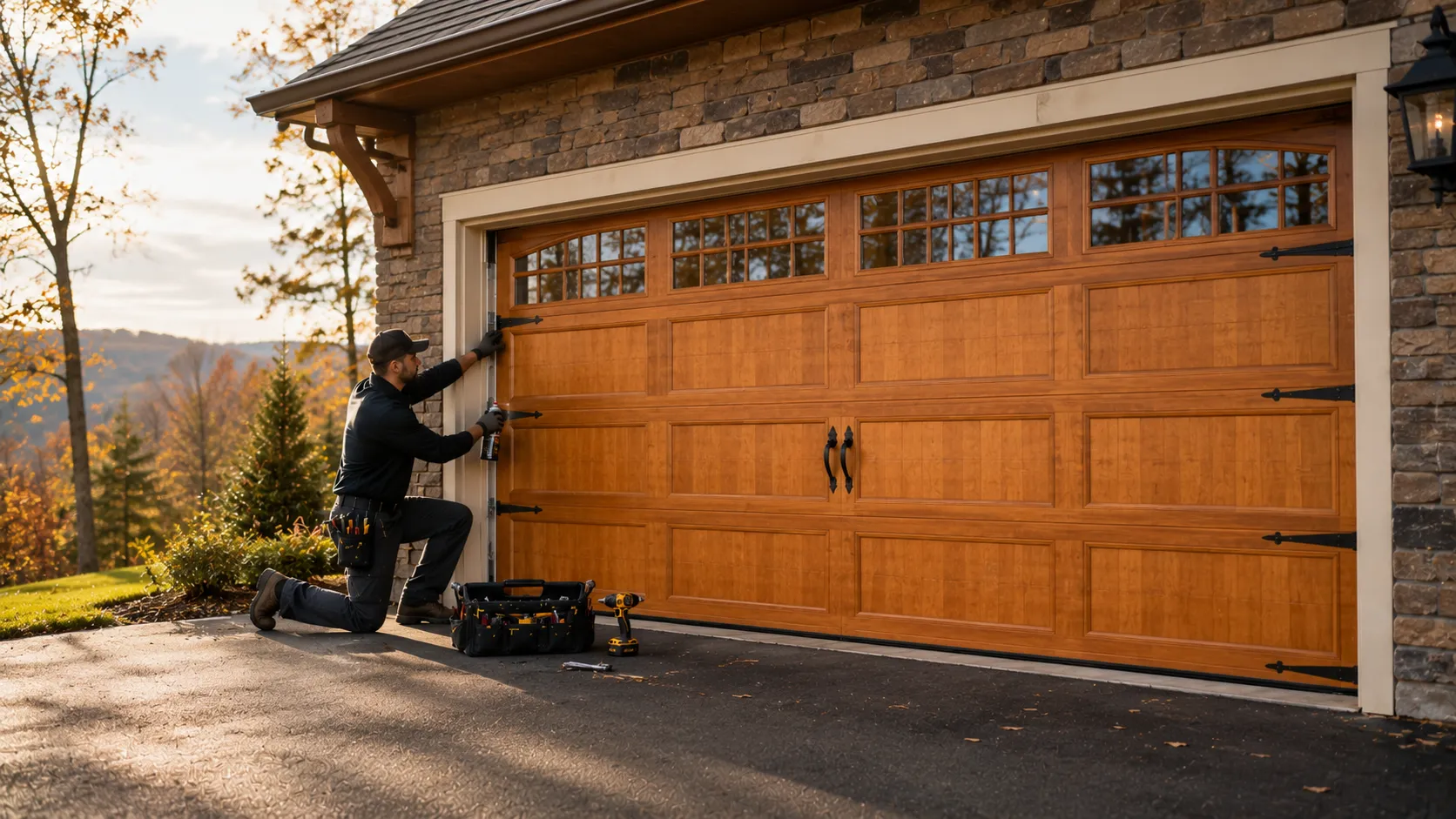
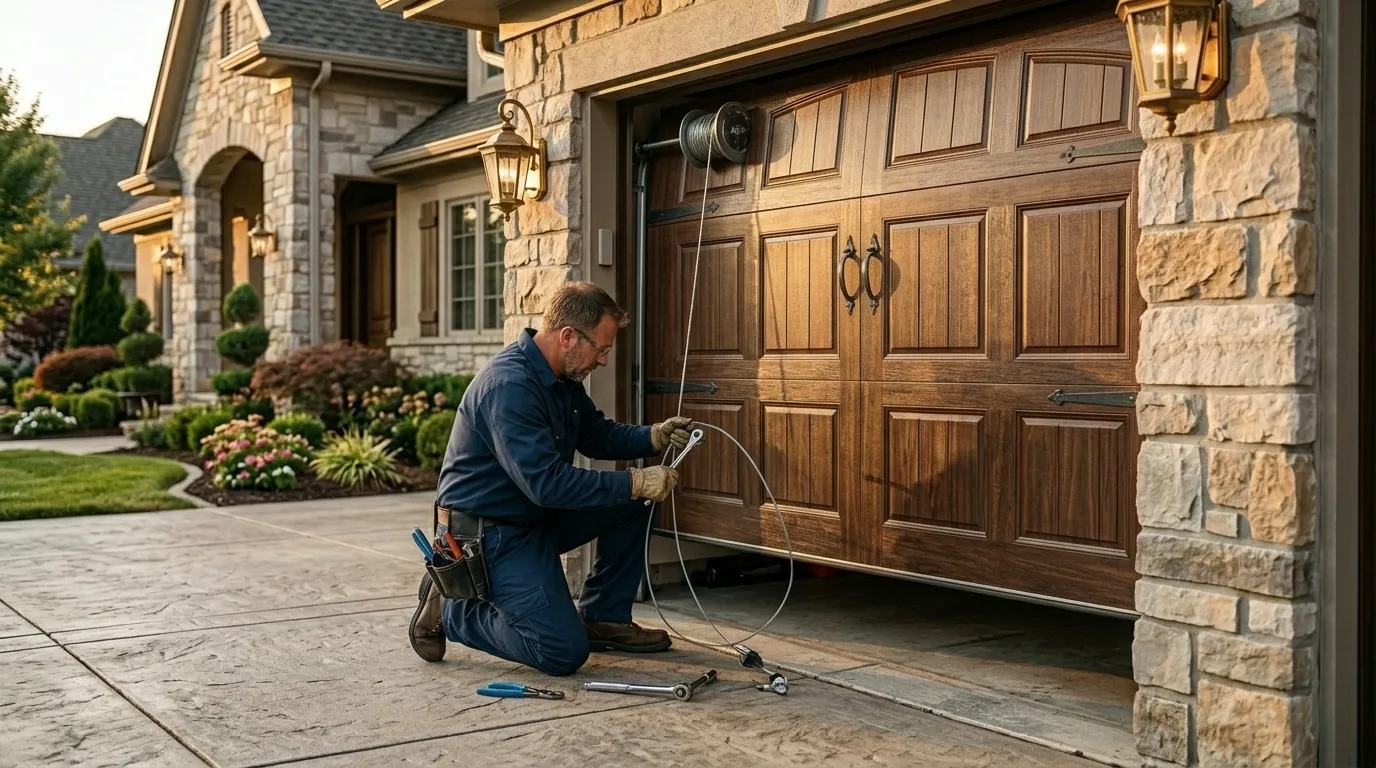
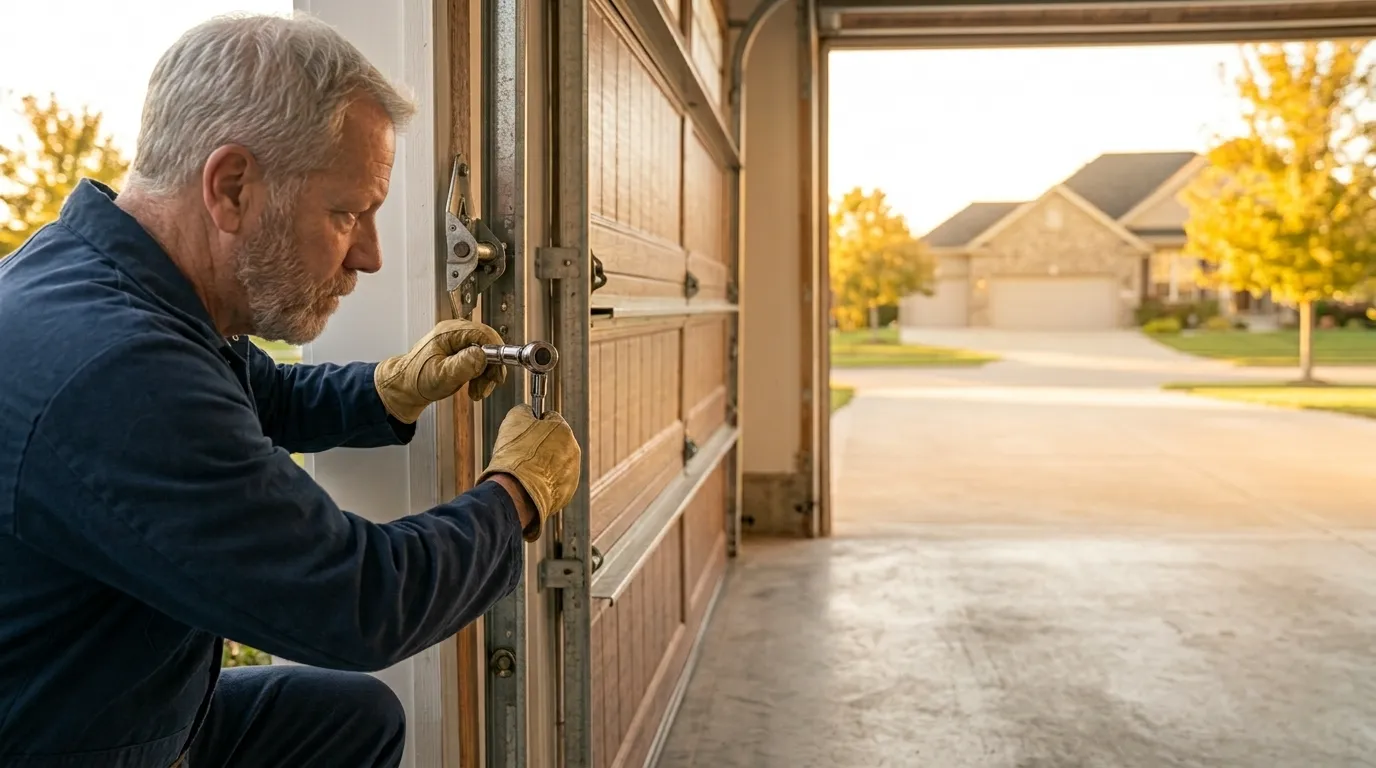
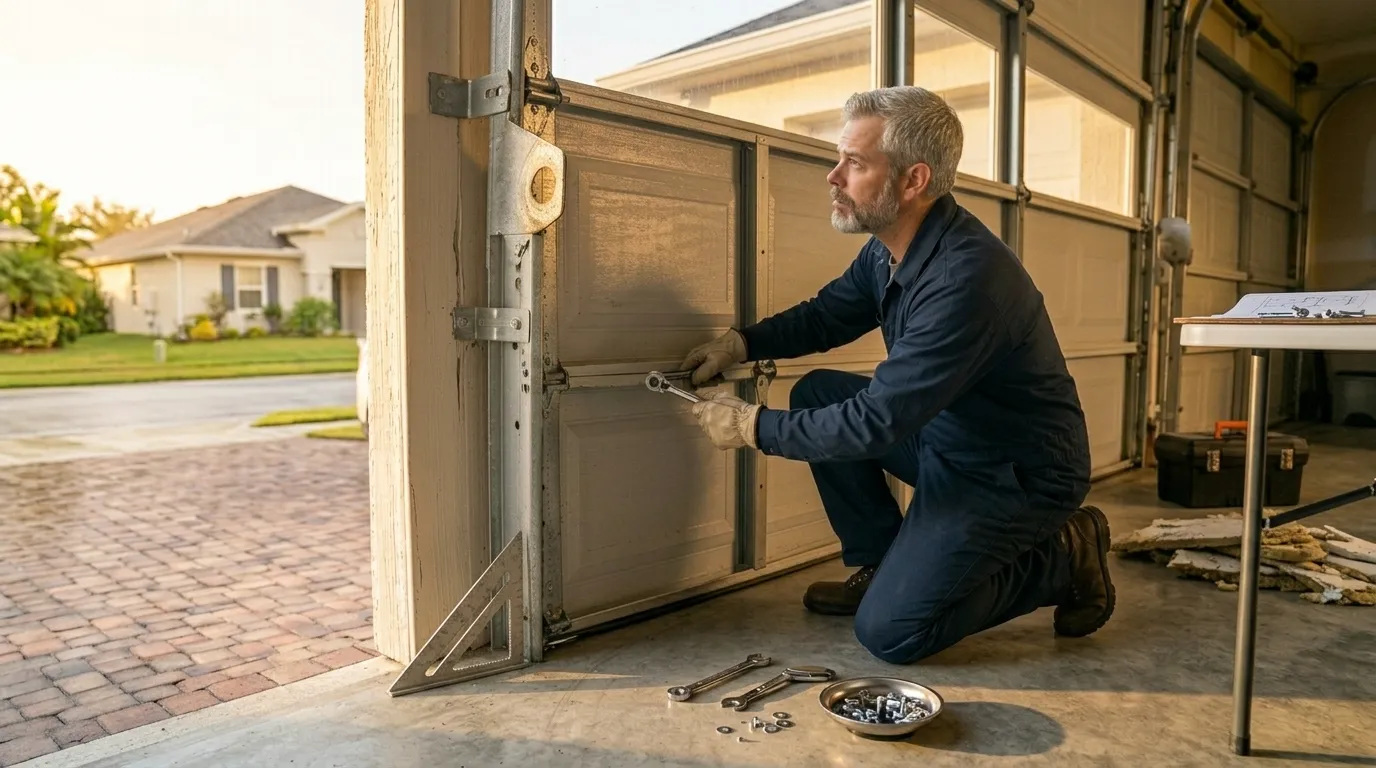
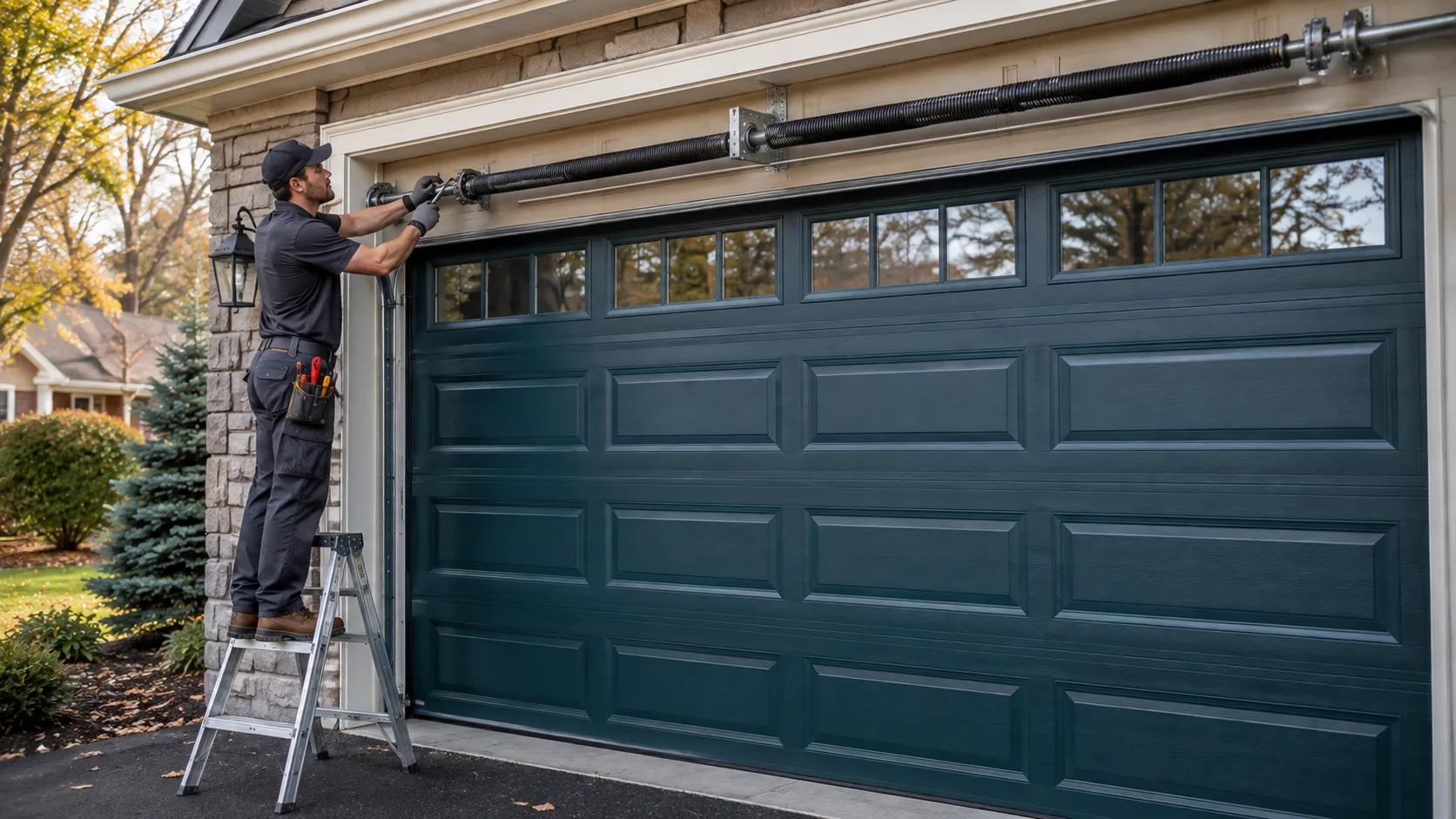
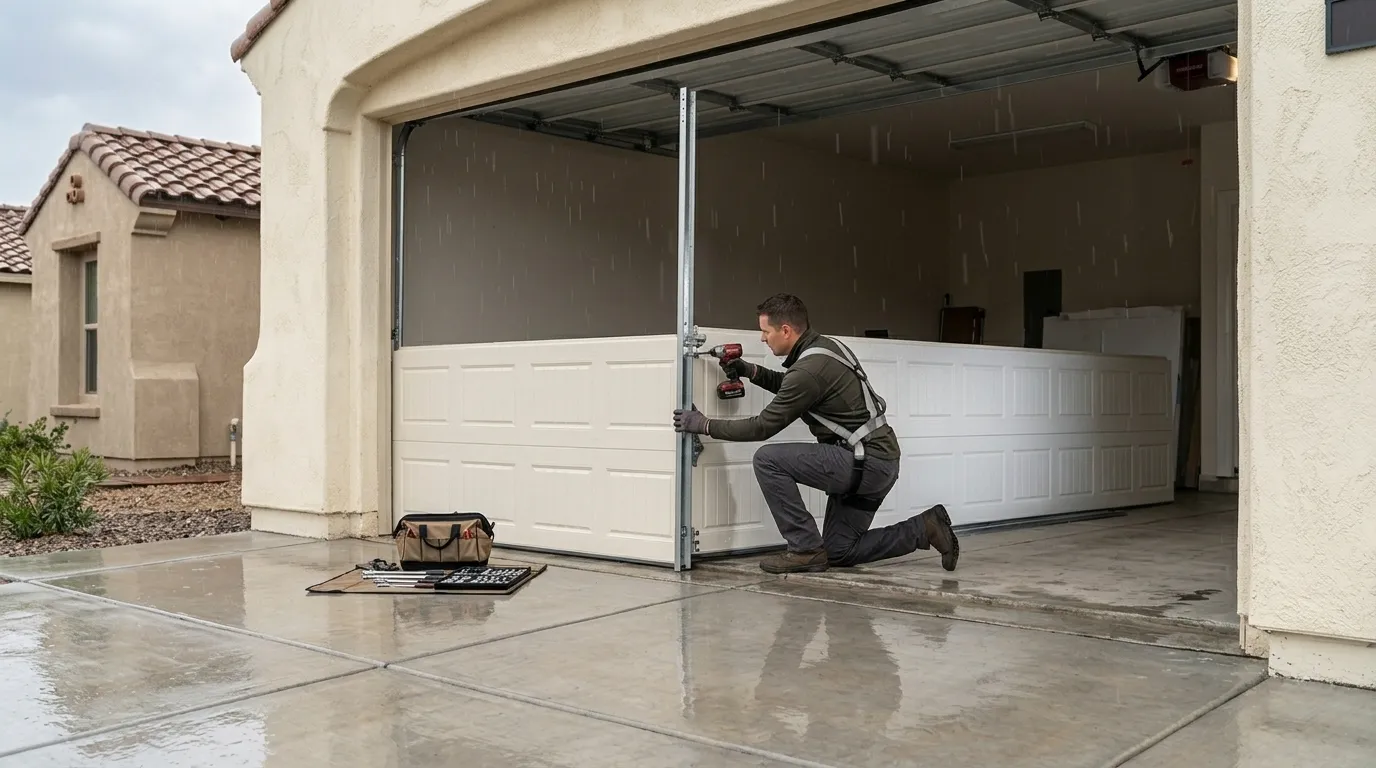
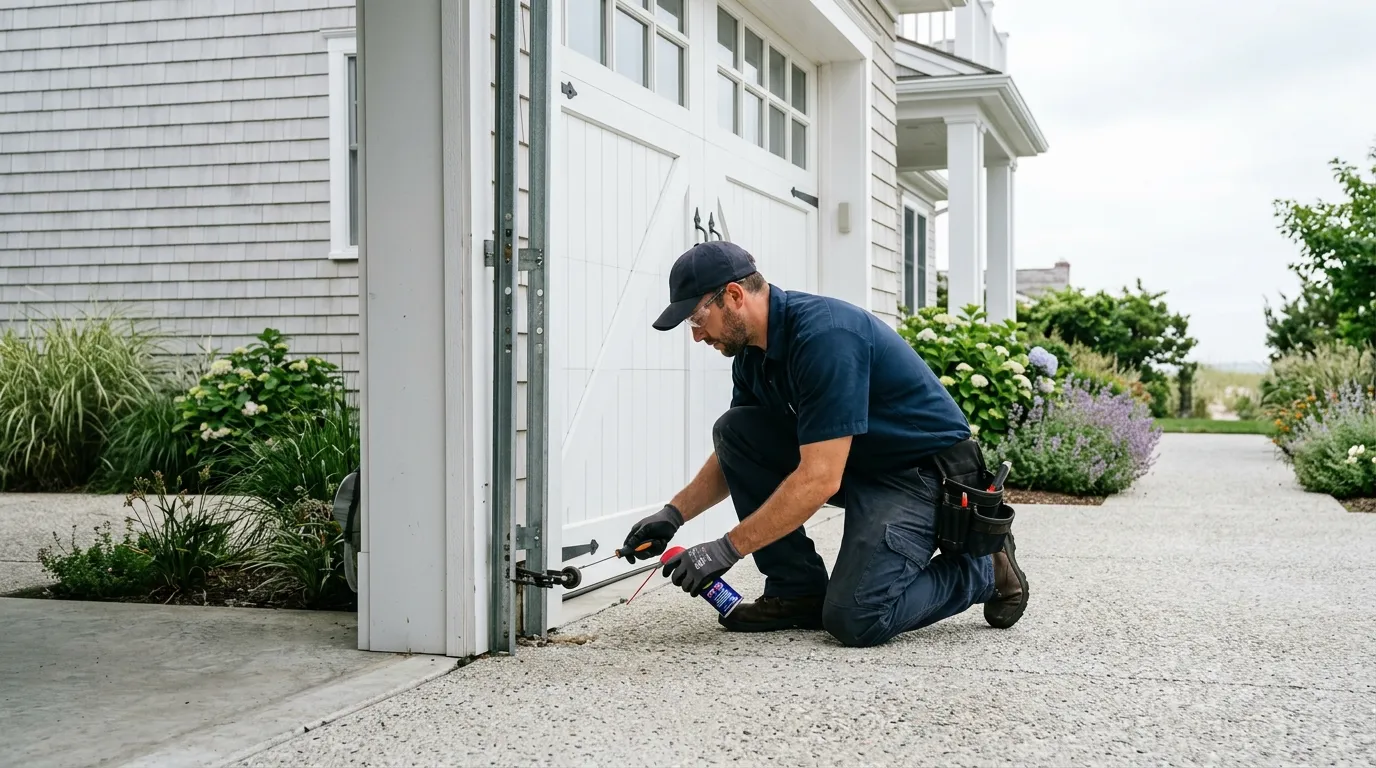
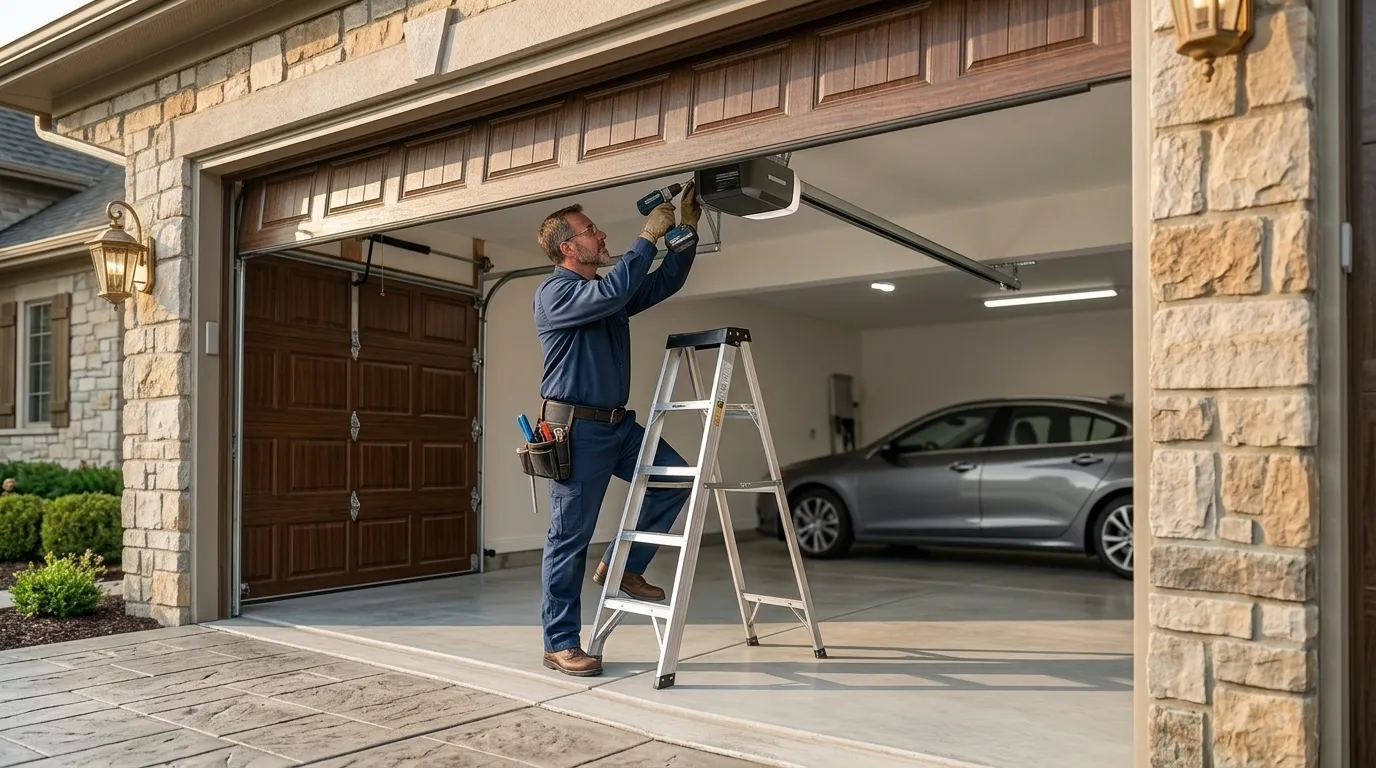
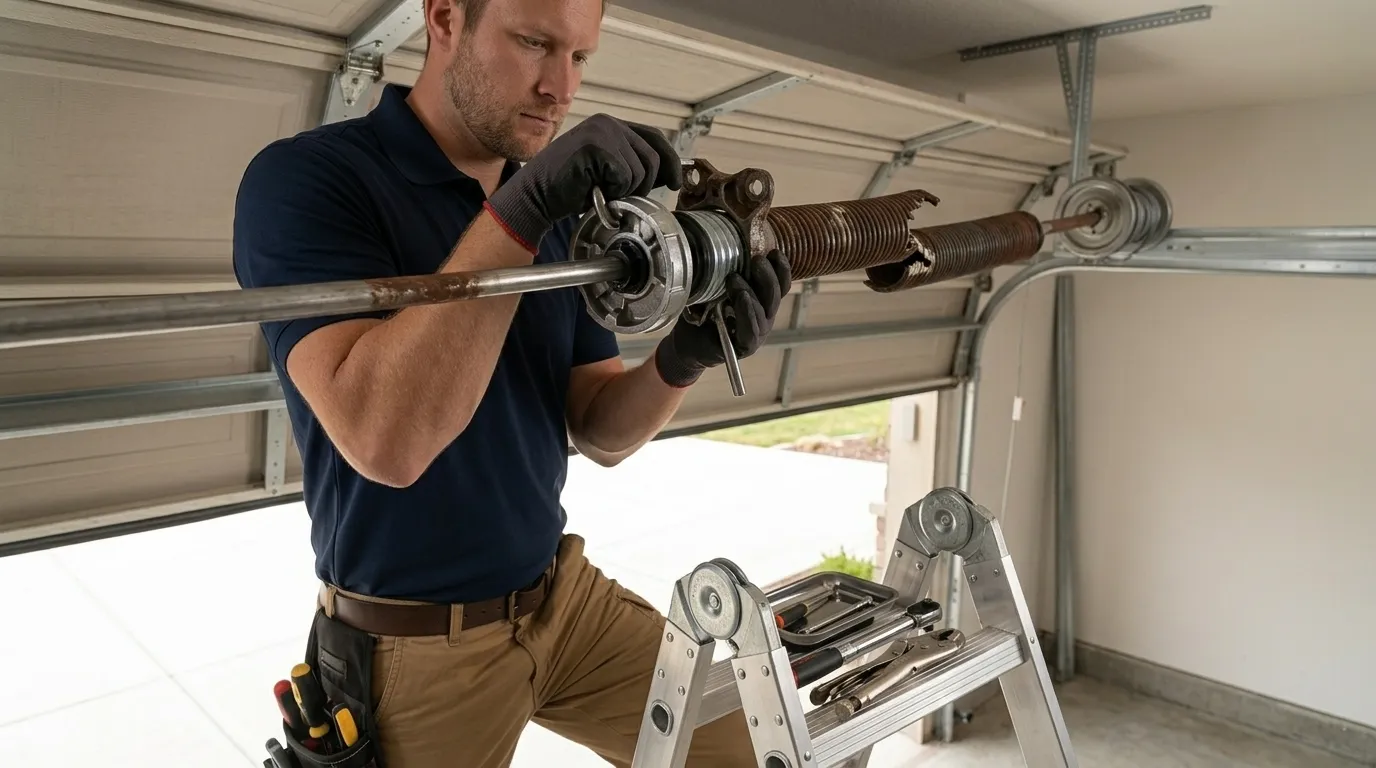
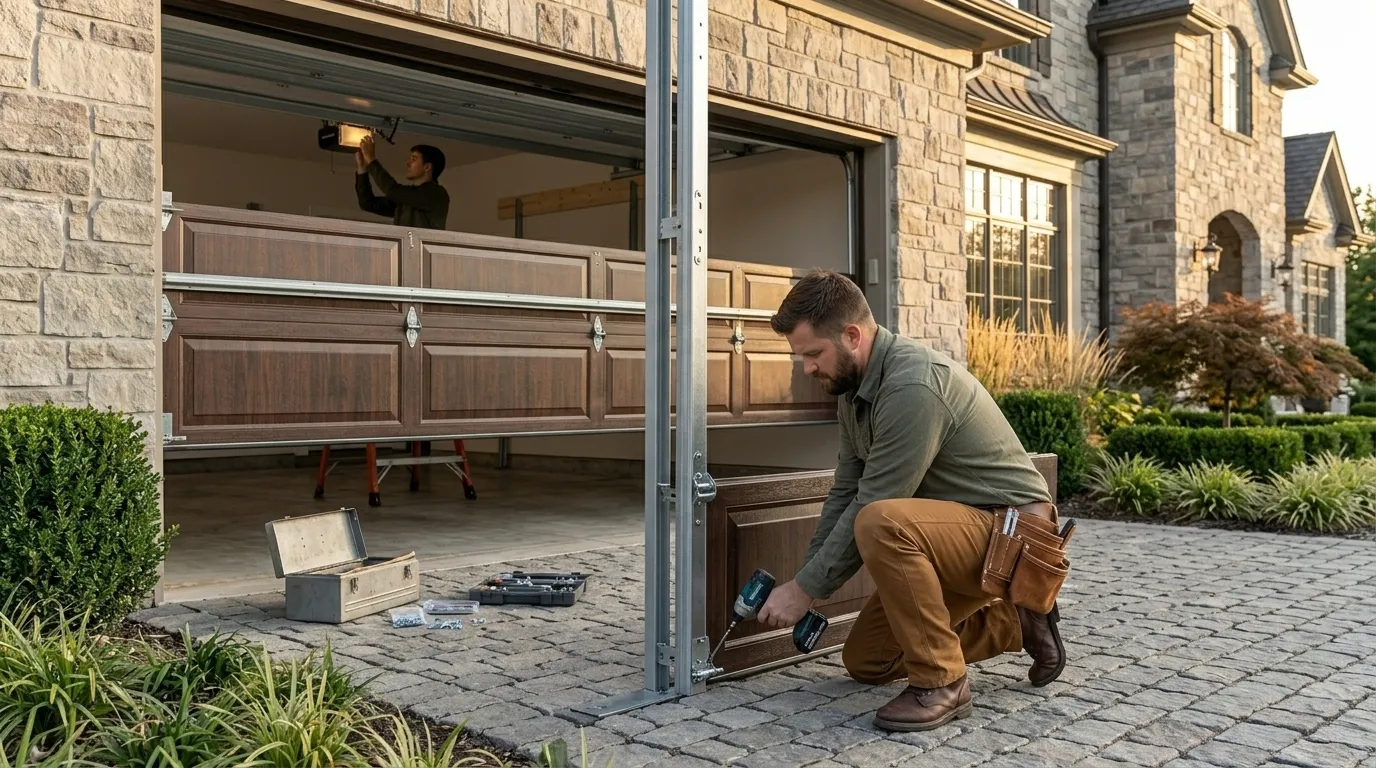
West Perrine's housing stock centers on a median build year of 1976, and that number tells you what's failing on these doors before we even pull up. Doors from that era were almost always steel sectional panels on extension or early torsion spring setups, hung on tracks that have usually seen one or two motor swaps since. The most common calls we get from homes of this age are snapped torsion springs, worn rollers that have gone from nylon to bare metal, and openers original enough that replacement parts aren't made anymore. We also see a fair number of bent tracks from doors that were never leveled correctly when the springs were last replaced. None of this is exotic work - it's what you'd expect from a door that's been doing its job since the mid-70s without a full-system update.
What the Housing Means for Your Door
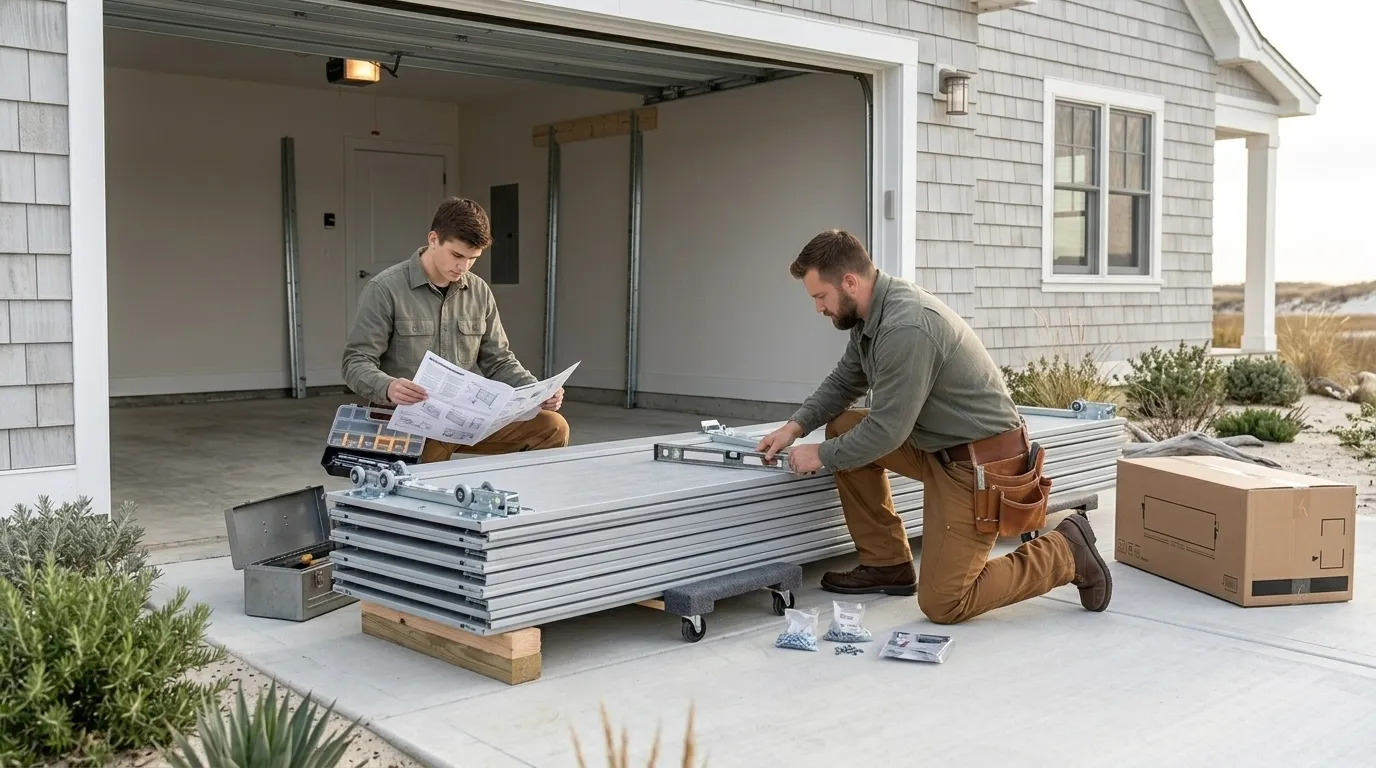
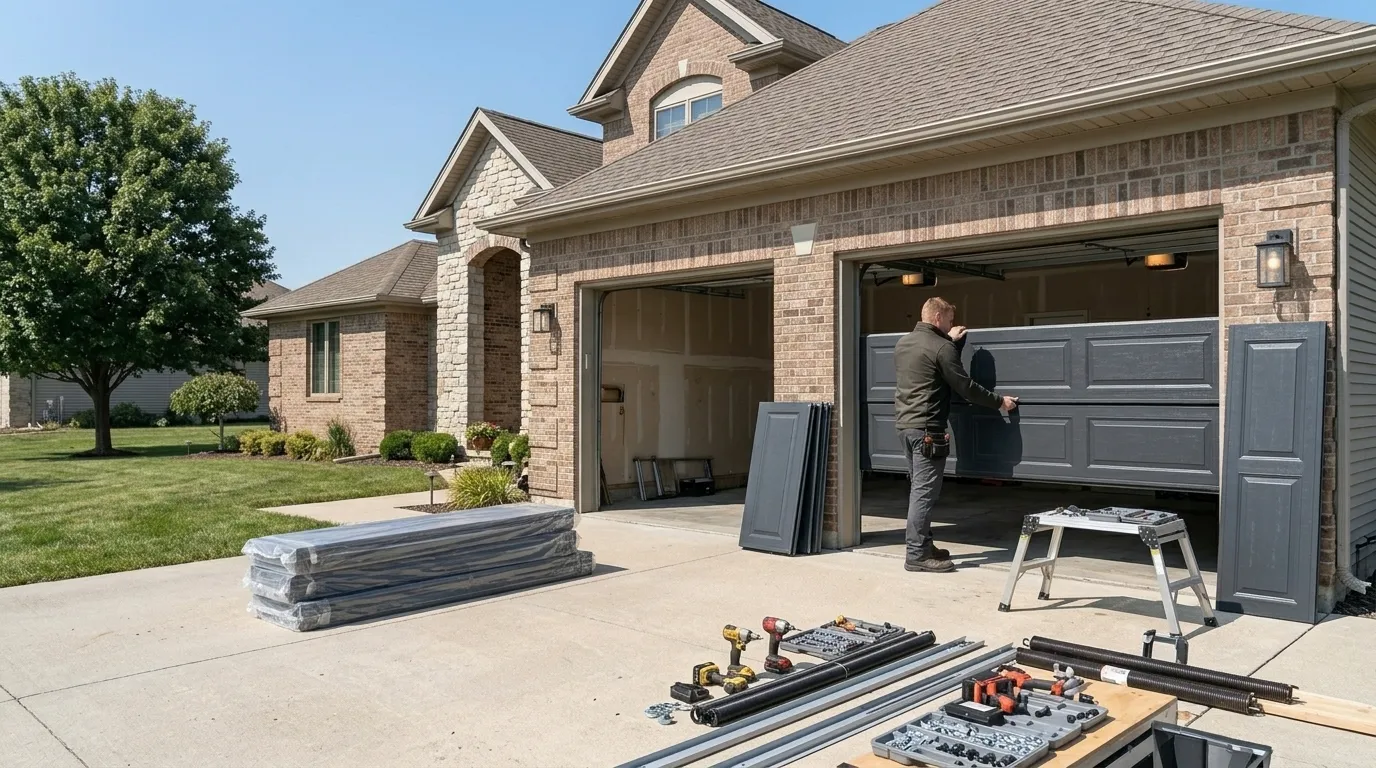
A 1976 median build year means most of West Perrine's garage doors are running hardware two or three generations behind what's sold today. Torsion spring sizing standards have shifted since then, so a spring pulled off a big-box shelf without matching the door's actual weight and drum size is a common cause of repeat failures - we see it after other companies have already been out. Steel panels from this period also tend to be thinner gauge than current stock, which matters if you're patching a dented section rather than replacing the whole door. Sometimes patching makes sense; sometimes the labor to match an old panel costs more than a new door would. We'll tell you which one applies before we start, not after.