Common Jobs Here
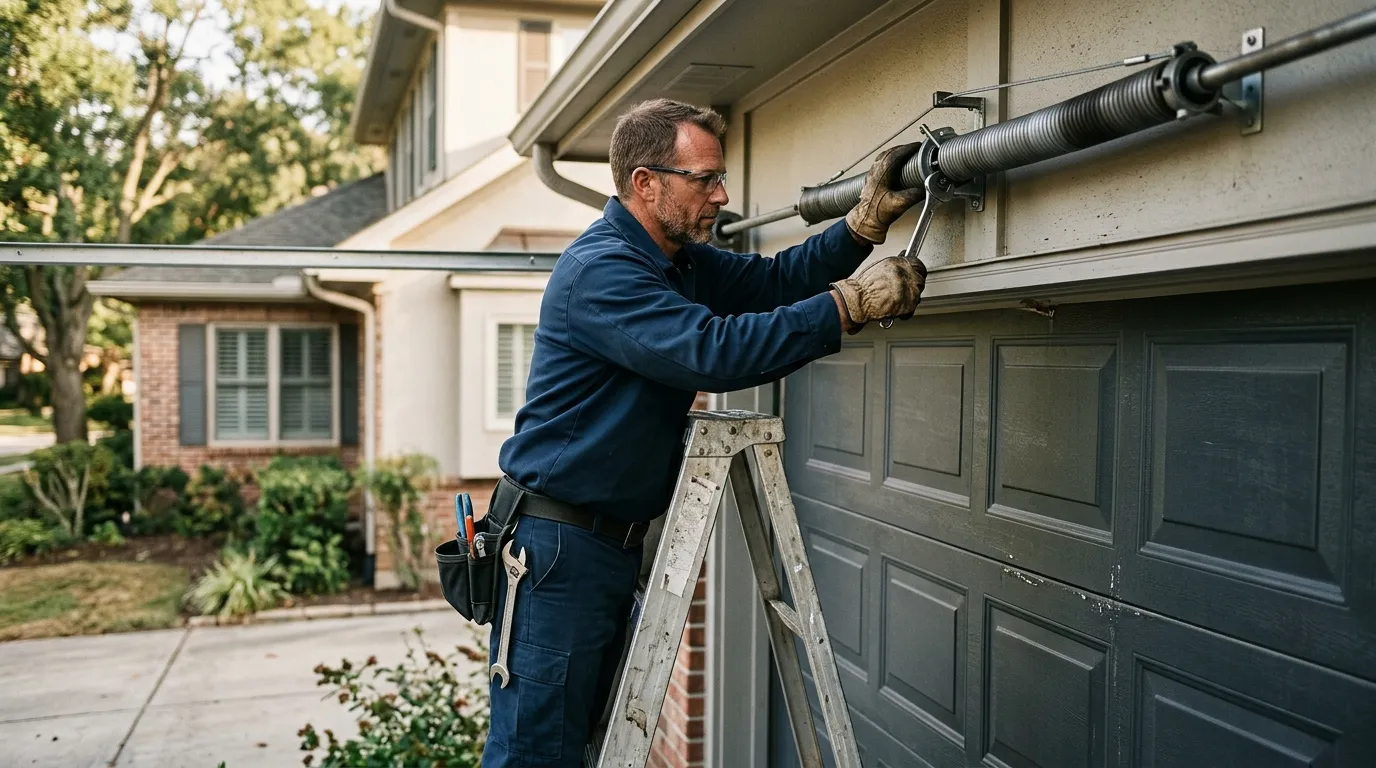
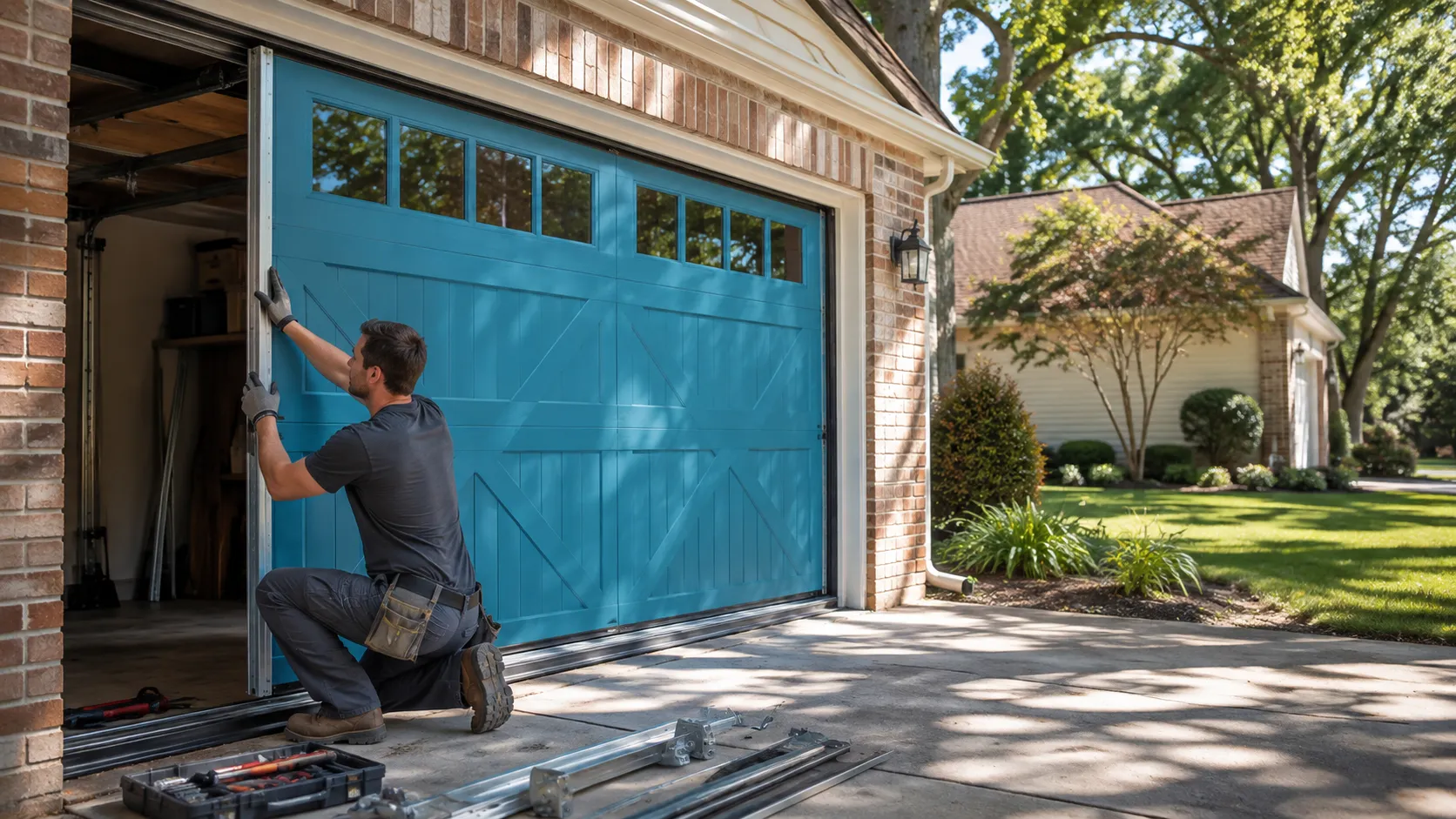
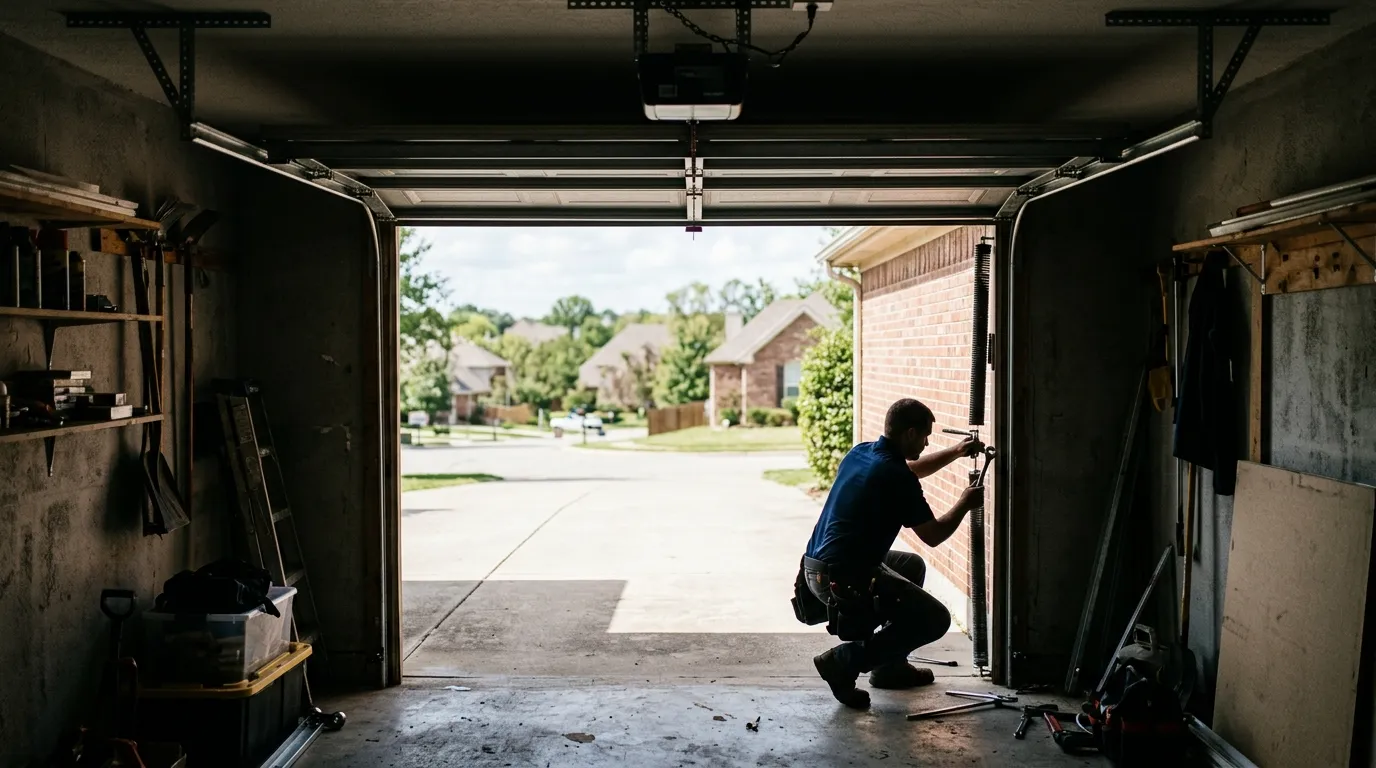
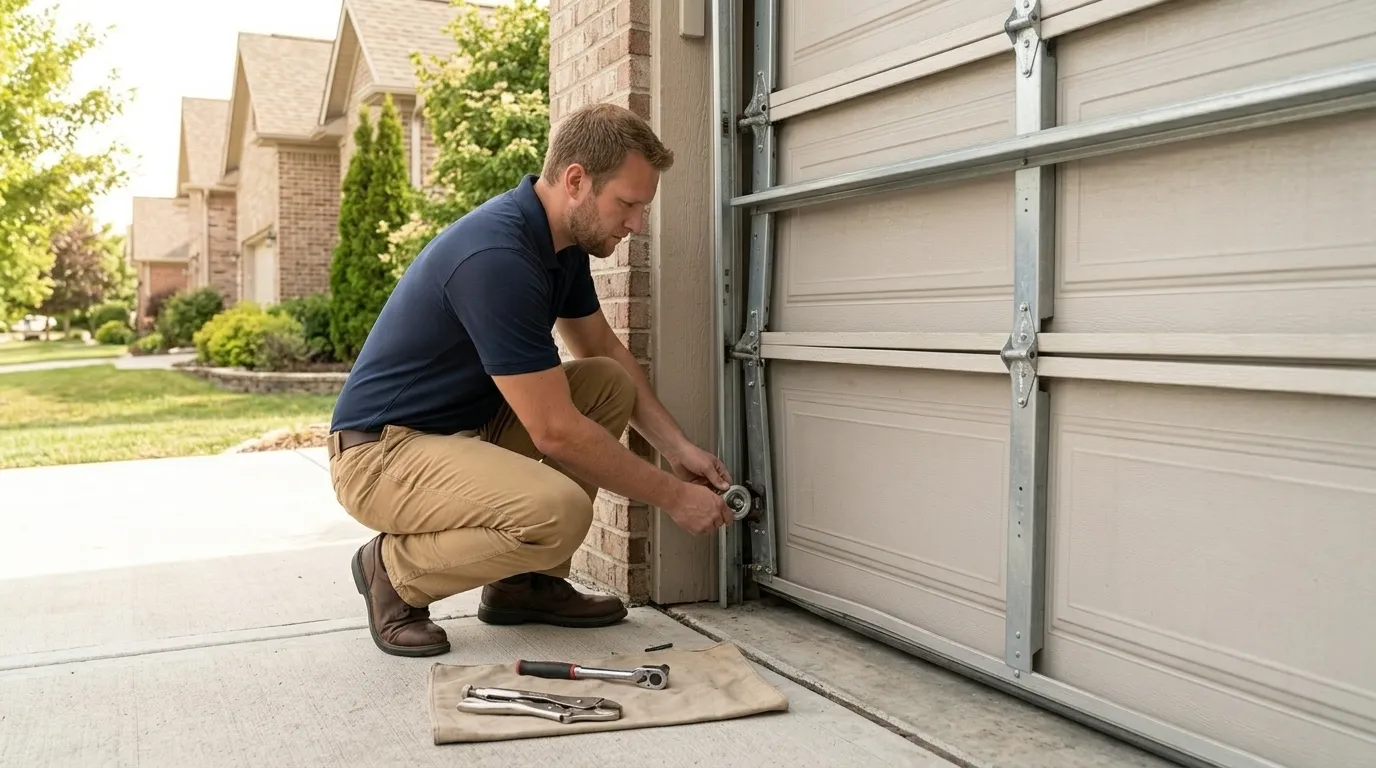
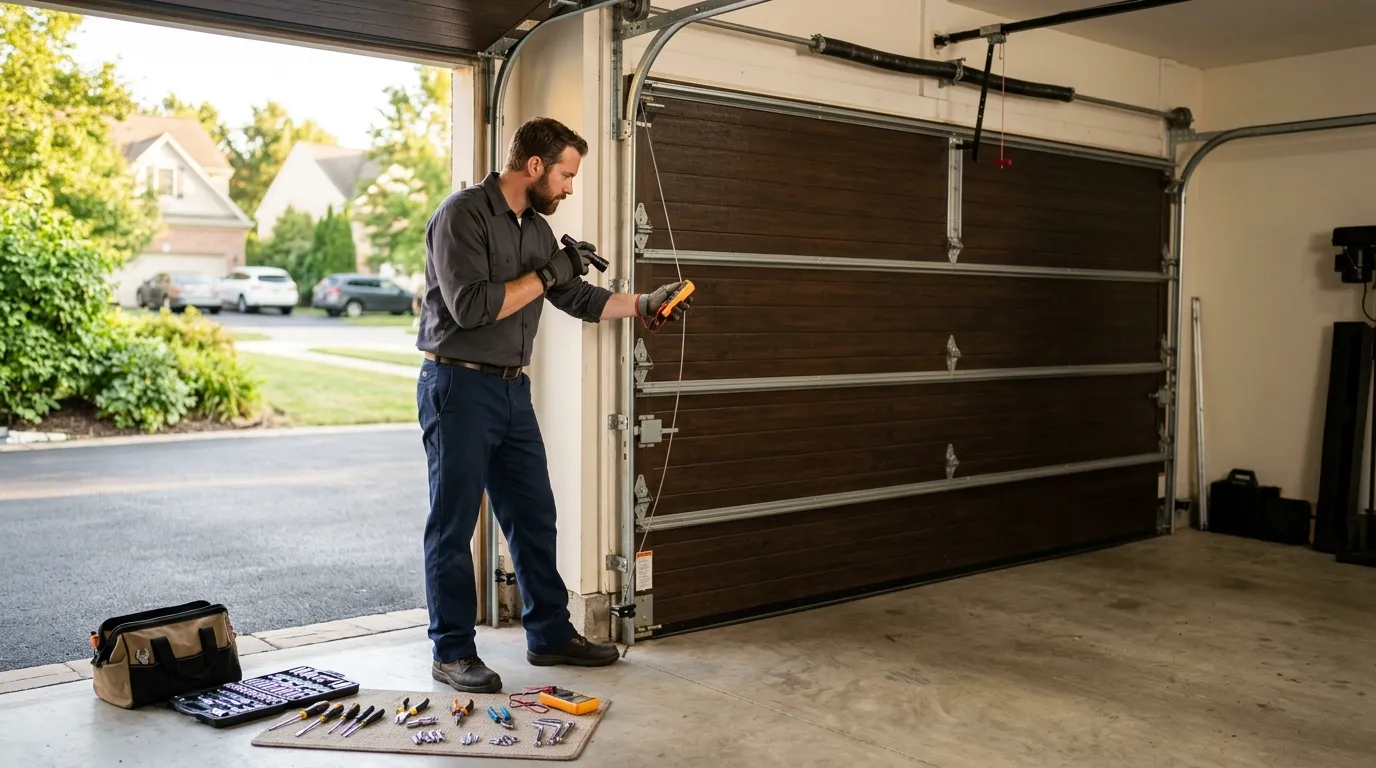
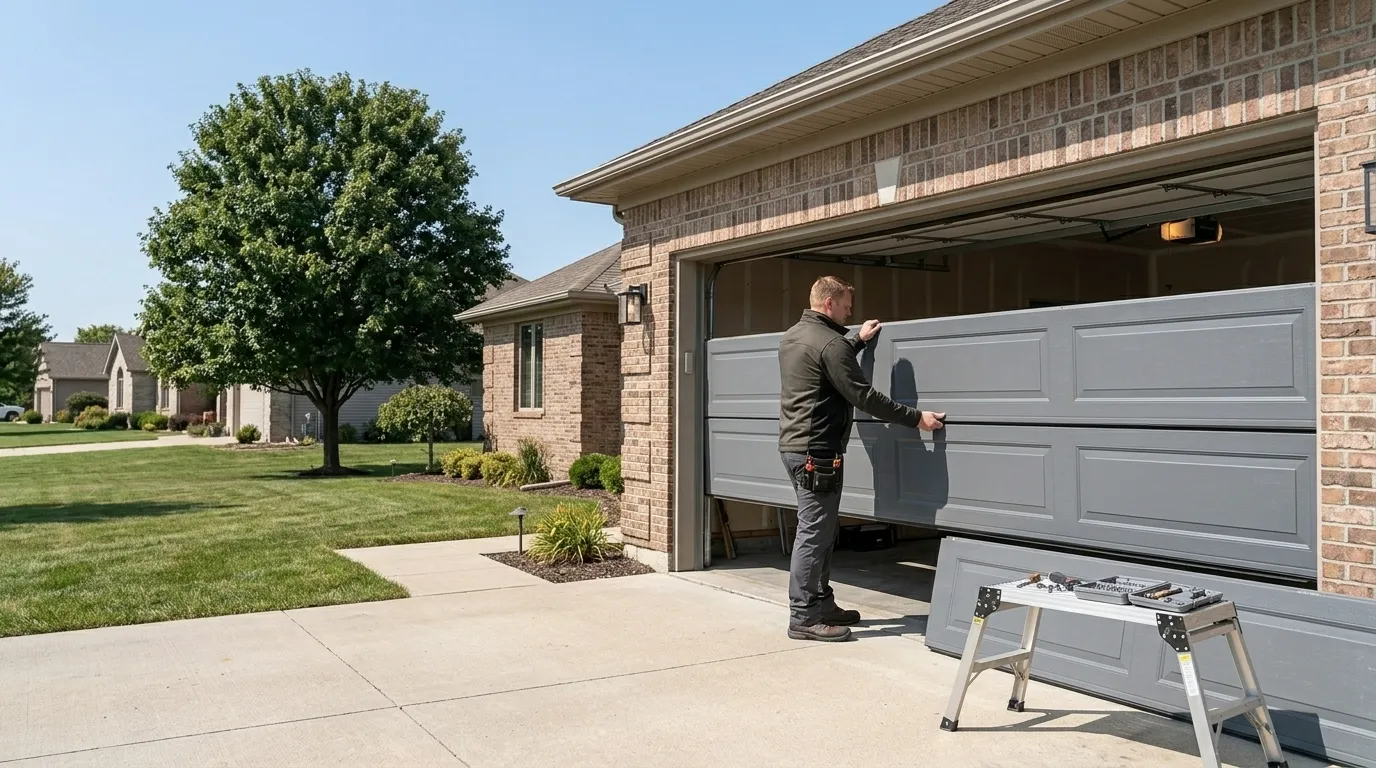
The median home in Westchester went up around 1971, which puts a lot of these garages on original or first-replacement hardware from the 1970s and 80s. That means we're pulling torsion springs sized for doors that are heavier and narrower than what's sold today, and we're finding tracks bolted to framing that predates a lot of the bracket standards used now. Broken torsion springs on single-car doors are a steady call here, along with worn rollers on doors that have never been touched since the house was built.
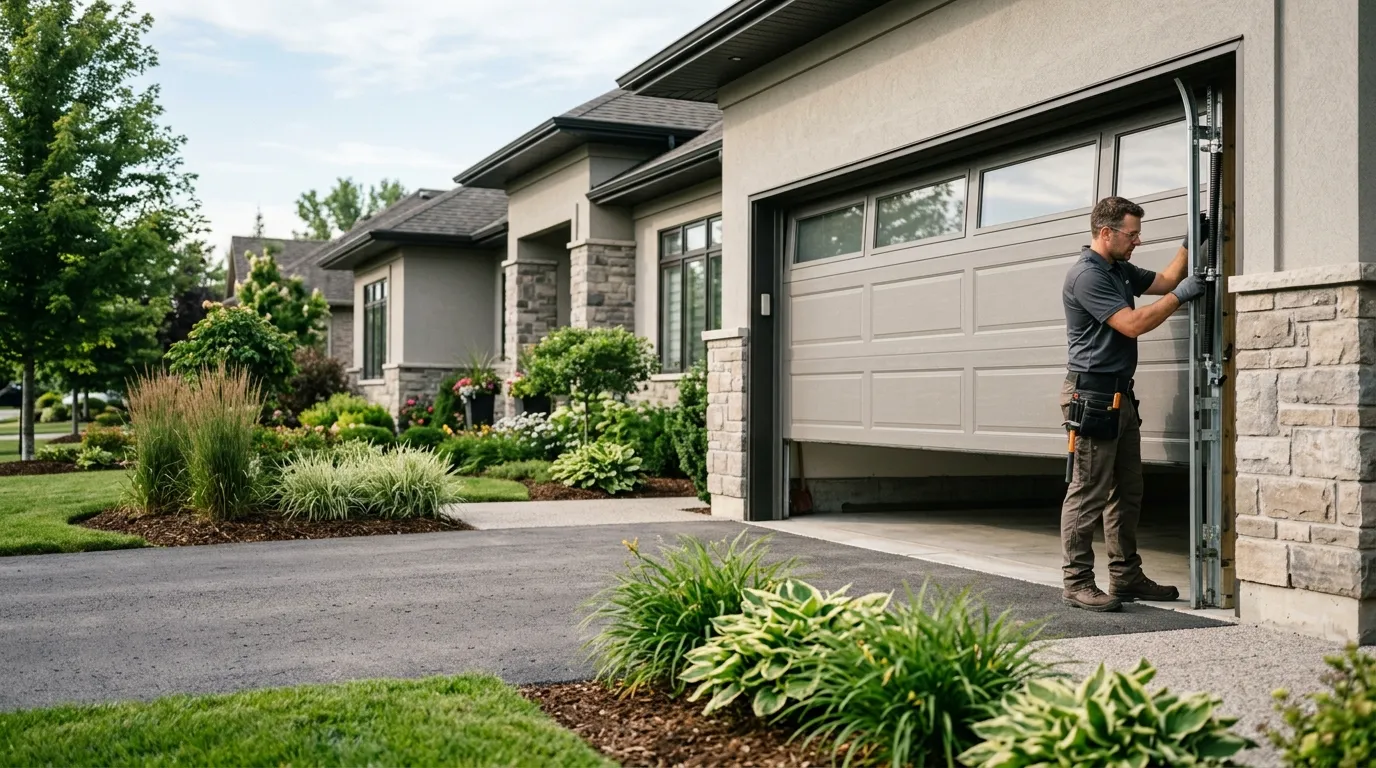
Opener replacements come up often too - not because the doors are bad, but because a chain-drive unit installed decades ago on an older door eventually gives out, and the housing around it doesn't match anything currently on shelves. We'll say plainly that we don't try to force a modern opener bracket onto a frame that was never built for it; sometimes the right call is reinforcing the header first, and we'll tell you that rather than bolt on a quick fix that won't hold.
What the Housing Means for Your Door
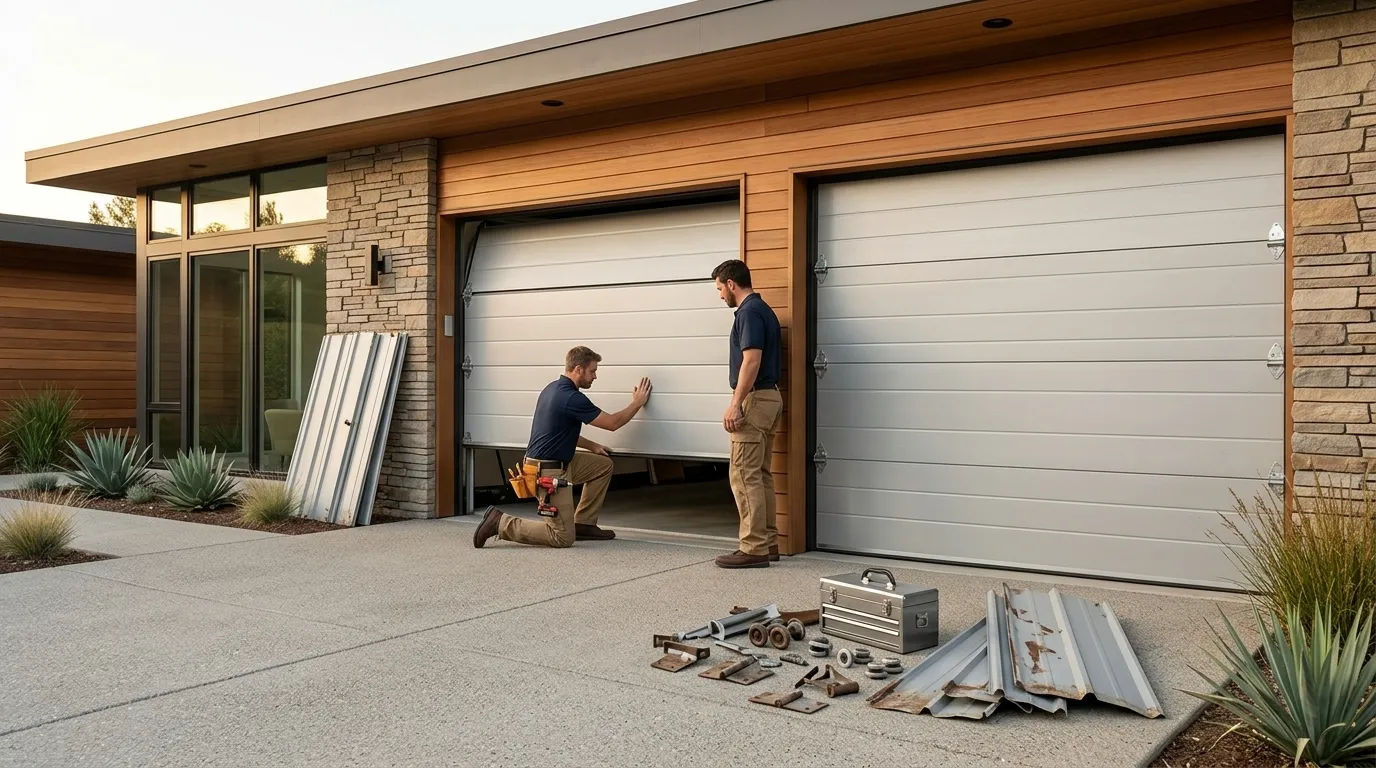
A 1971 median build year means most of Westchester's garages predate steel doors with foam insulation and predate the torsion spring sizing charts manufacturers use today. If your door has never been replaced, there's a decent chance the spring is undersized or oversized for the door's current weight, especially if a heavier replacement panel got swapped in at some point without recalculating the spring. That mismatch is one of the more common reasons a door feels like it's fighting the opener.
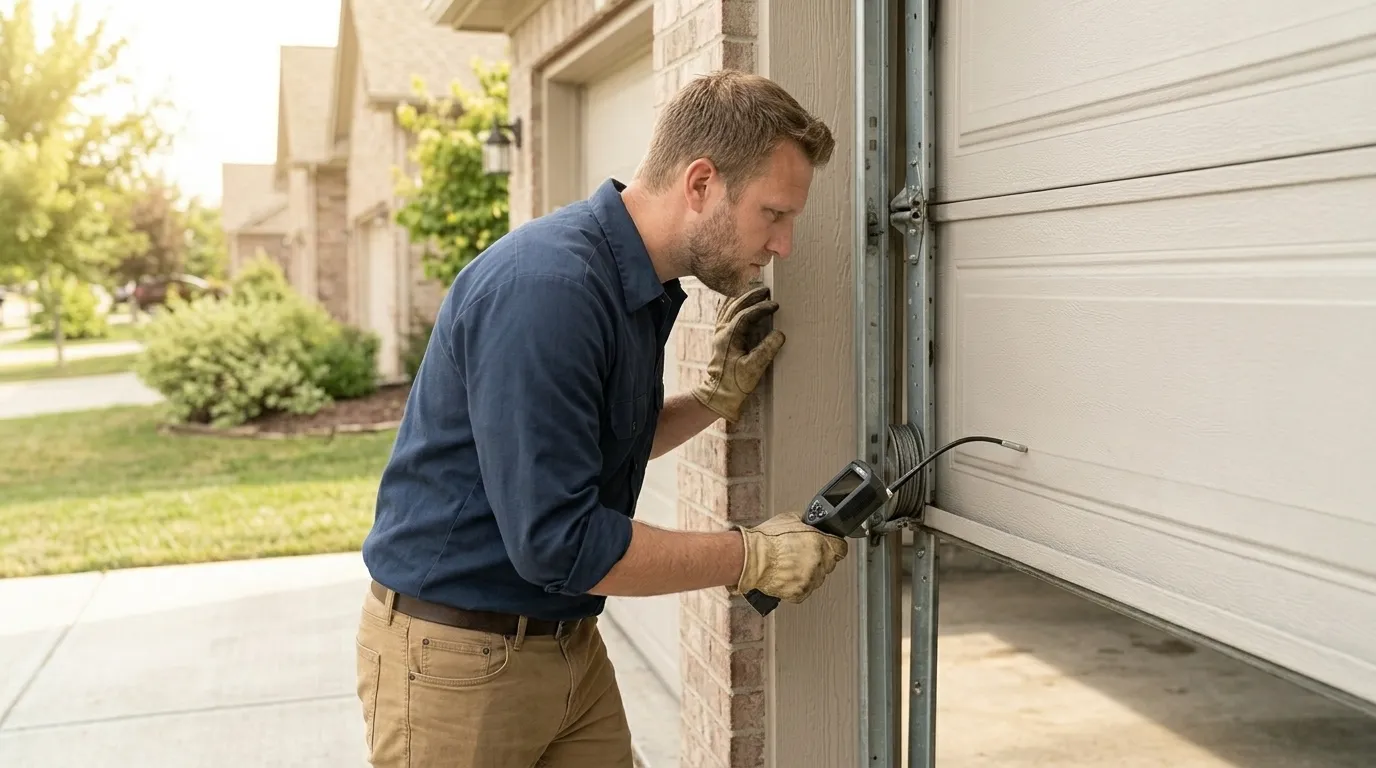
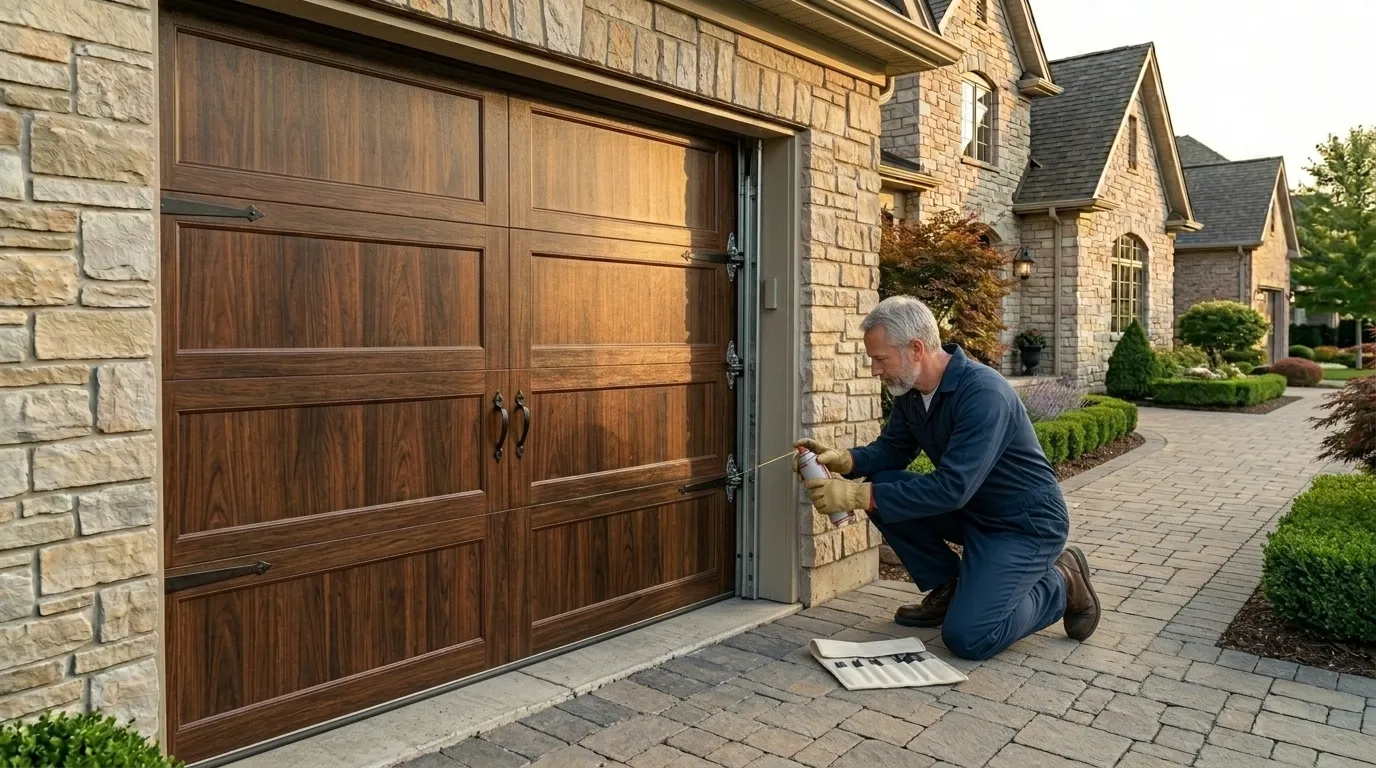
The area's mild climate (nothing extreme by national standards) means we're not dealing with frozen tracks or ice-jammed rollers the way a colder region would. What we do see is hardware that's simply run its full service life - 50 years of cycles on the same springs and cables, with rust at the roller brackets from humidity rather than cold. We won't tell you every old door needs replacing; plenty just need a proper spring resize and new rollers to run right for another decade.