Common Jobs Here
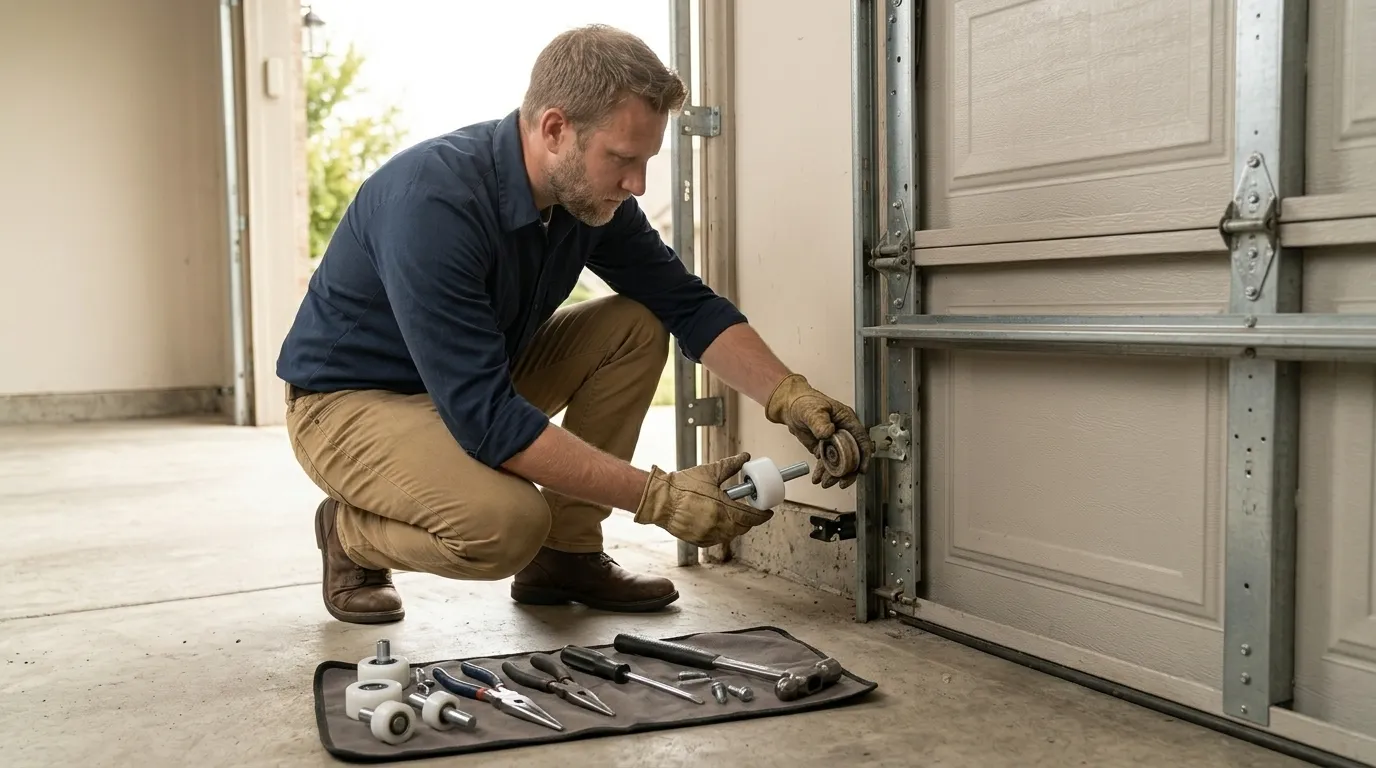
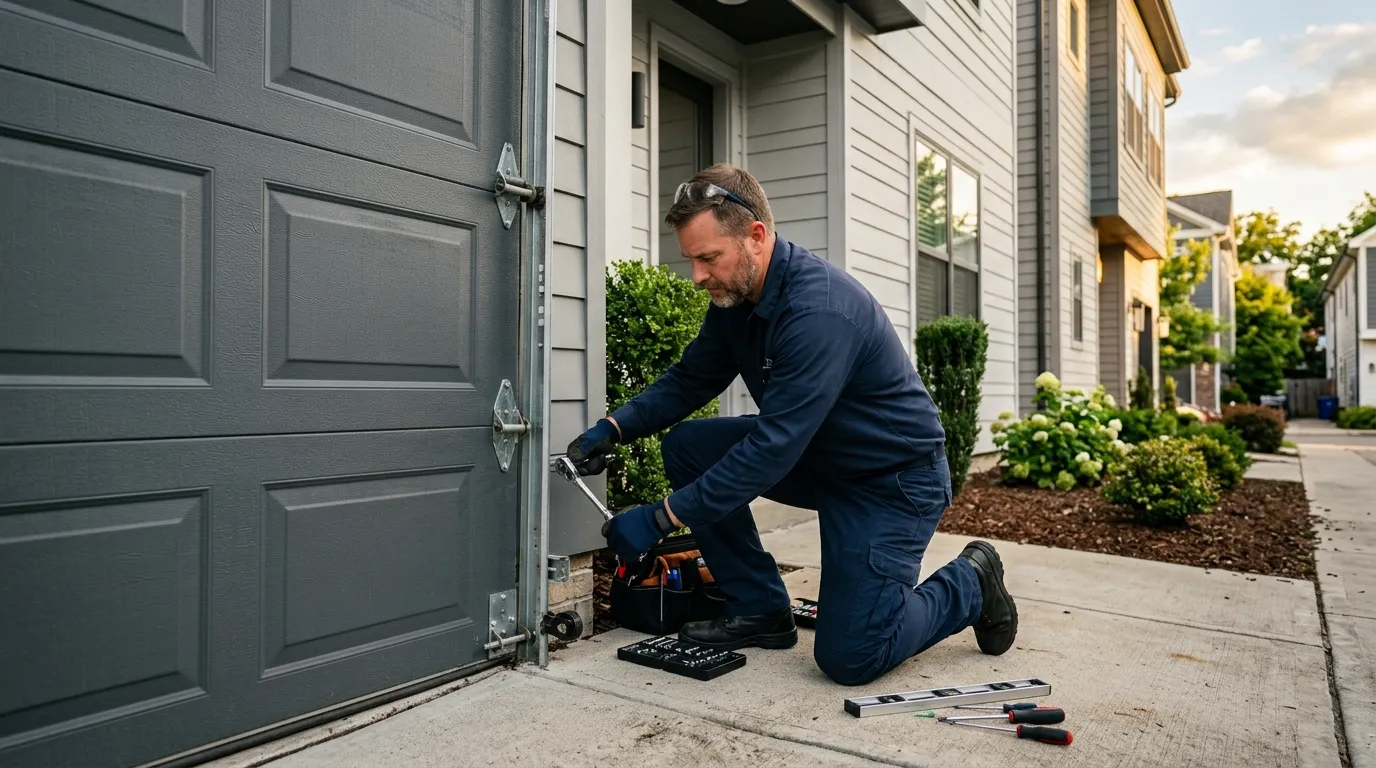
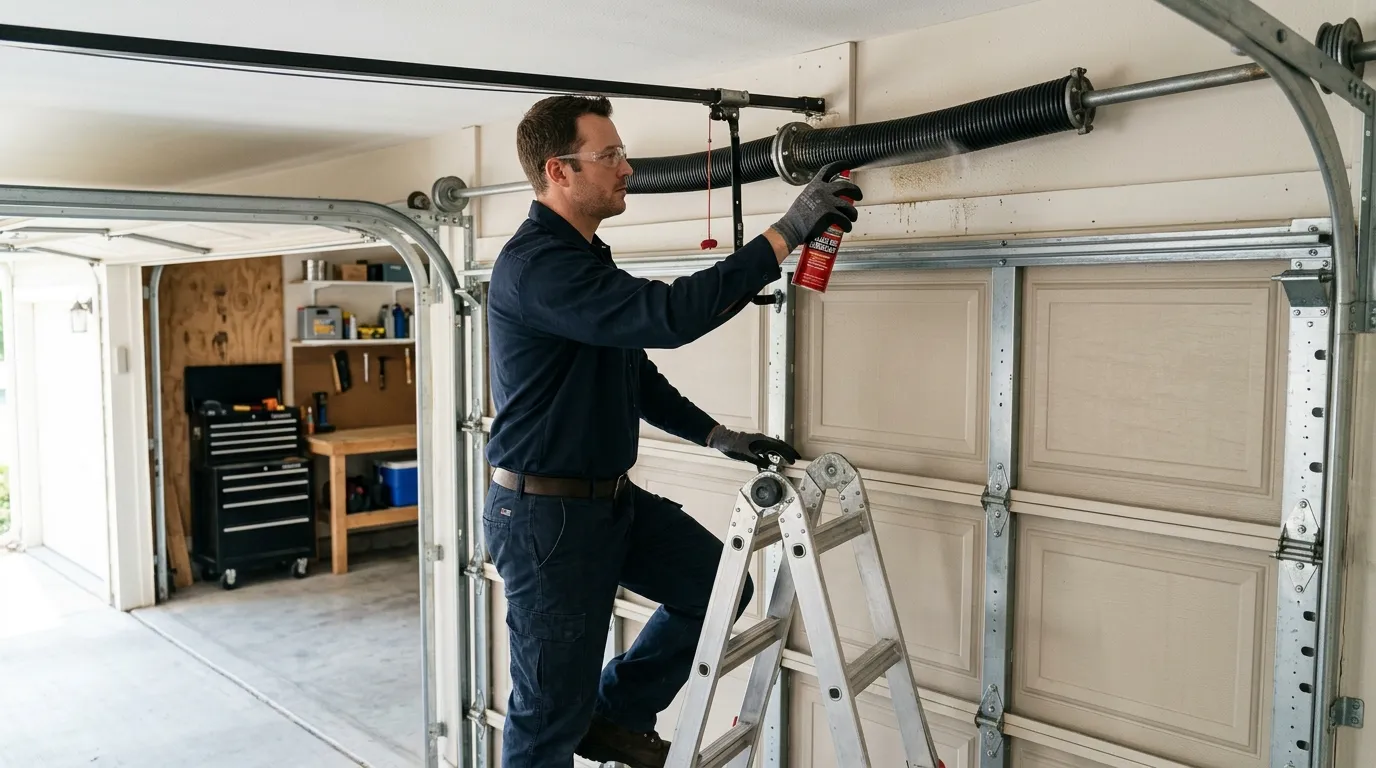
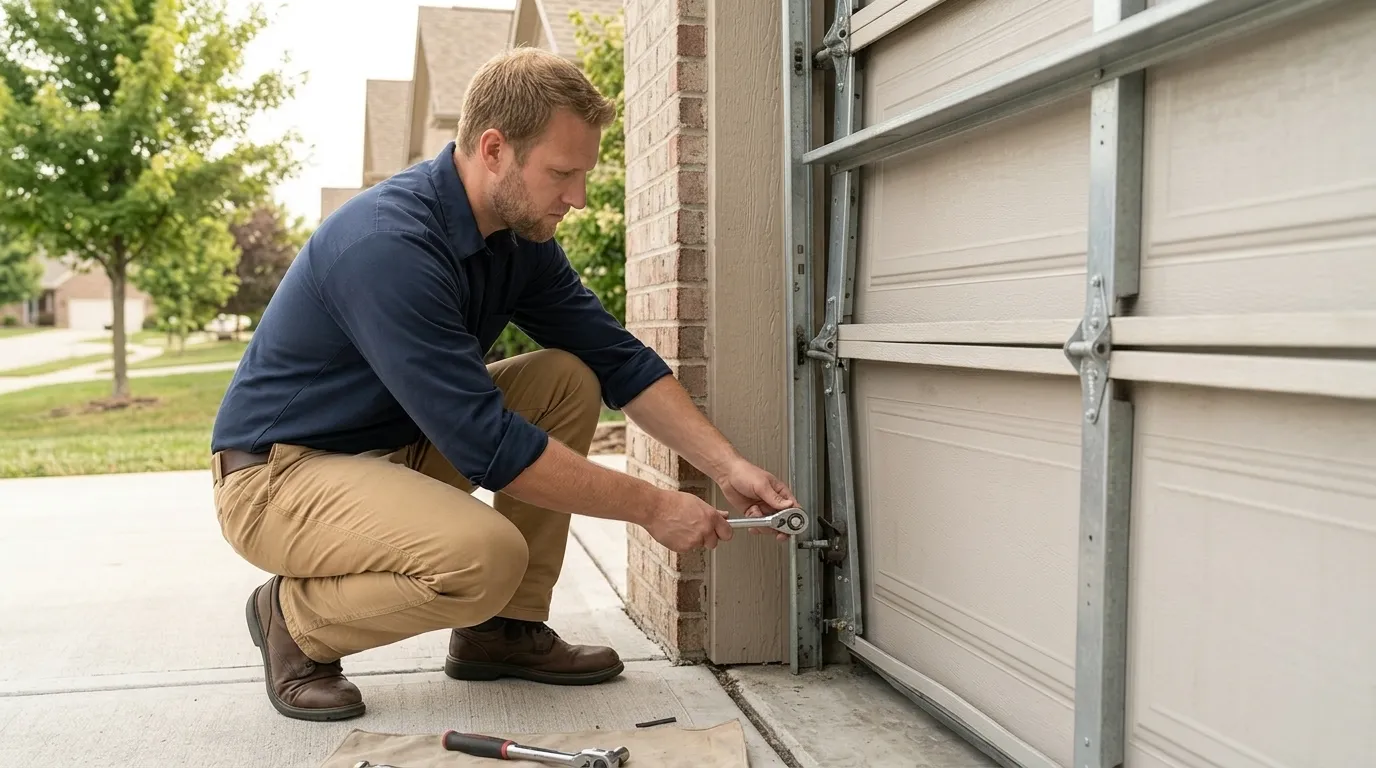
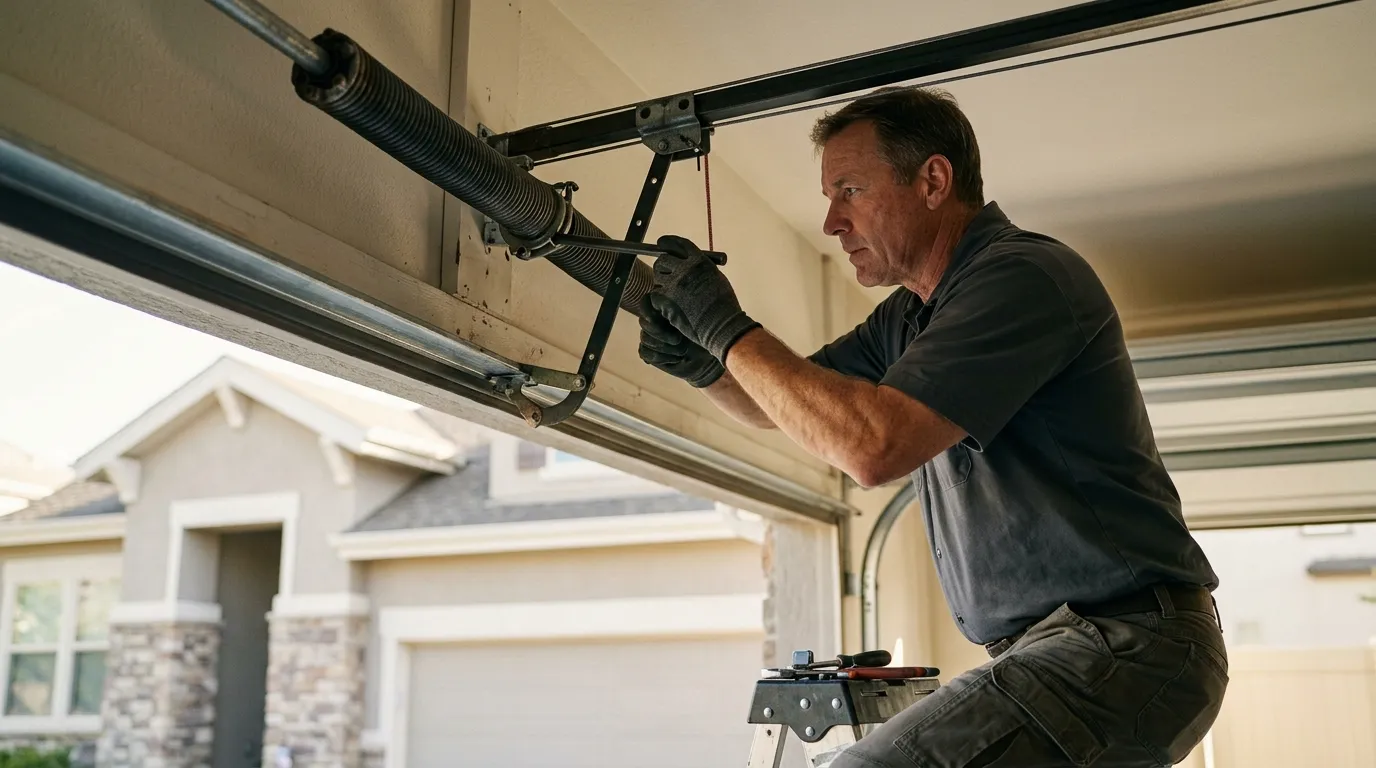
Westwood Lakes has a median build year of 1957, well ahead of the broader service area's 1976 median, and that gap shows up in the calls we get. We see more torsion springs that have never been swapped, more openers that predate any kind of rolling-code safety sensor, and more doors that are original wood or early steel panels rather than the insulated steel most newer subdivisions have. Rollers on these older tracks tend to be steel-on-steel, which is louder and wears the track faster than the nylon rollers common on newer installs. Cable fraying near the bottom bracket is another one we catch often here, since original hardware from that era wasn't built with the coil counts modern doors use. None of this means the doors are in bad shape, plenty of them are solid, but it does mean a same-size replacement part off a newer truck stock sometimes doesn't fit without an adapter bracket. We carry a wider spread of spring sizes on jobs booked out here for that reason.
What the Housing Means for Your Door
A house built in 1957 was framed for a garage door standard that's mostly gone now. Door openings from that era often run narrower than today's typical two-car bay, and the header framing wasn't always built to carry a heavier insulated door without reinforcement. If you're upgrading rather than repairing, that's the conversation worth having before you pick a door: sometimes the header needs bracing to carry the added weight, sometimes the track spacing has to change because the jamb isn't square anymore after six decades of settling. We won't sell you a heavier door on framing that can't take it without saying so first. On the plus side, the mild climate here means we're not fighting the freeze-thaw cracking or humidity swelling that older wood doors see in harsher regions, so a lot of original hardware has simply outlasted its expected life rather than failed from weather.