Straight Answers
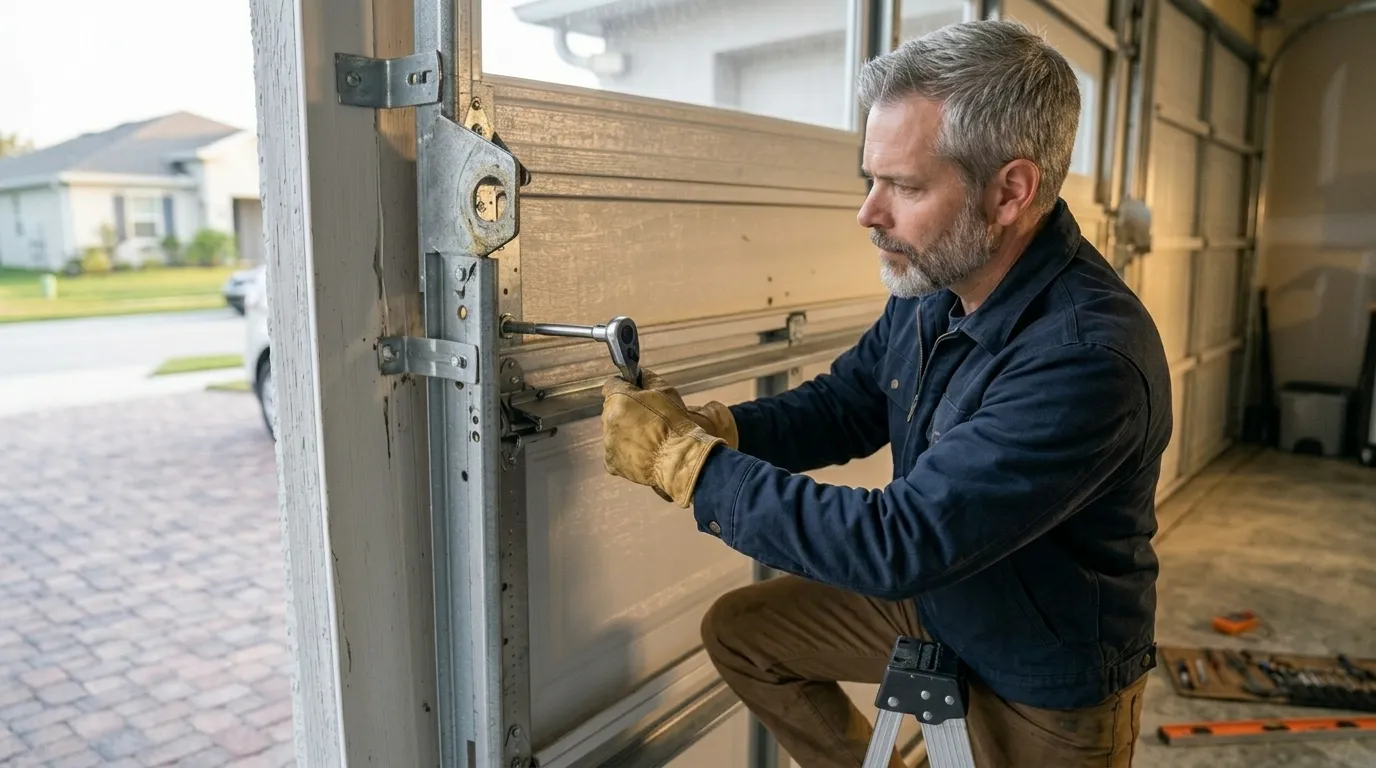
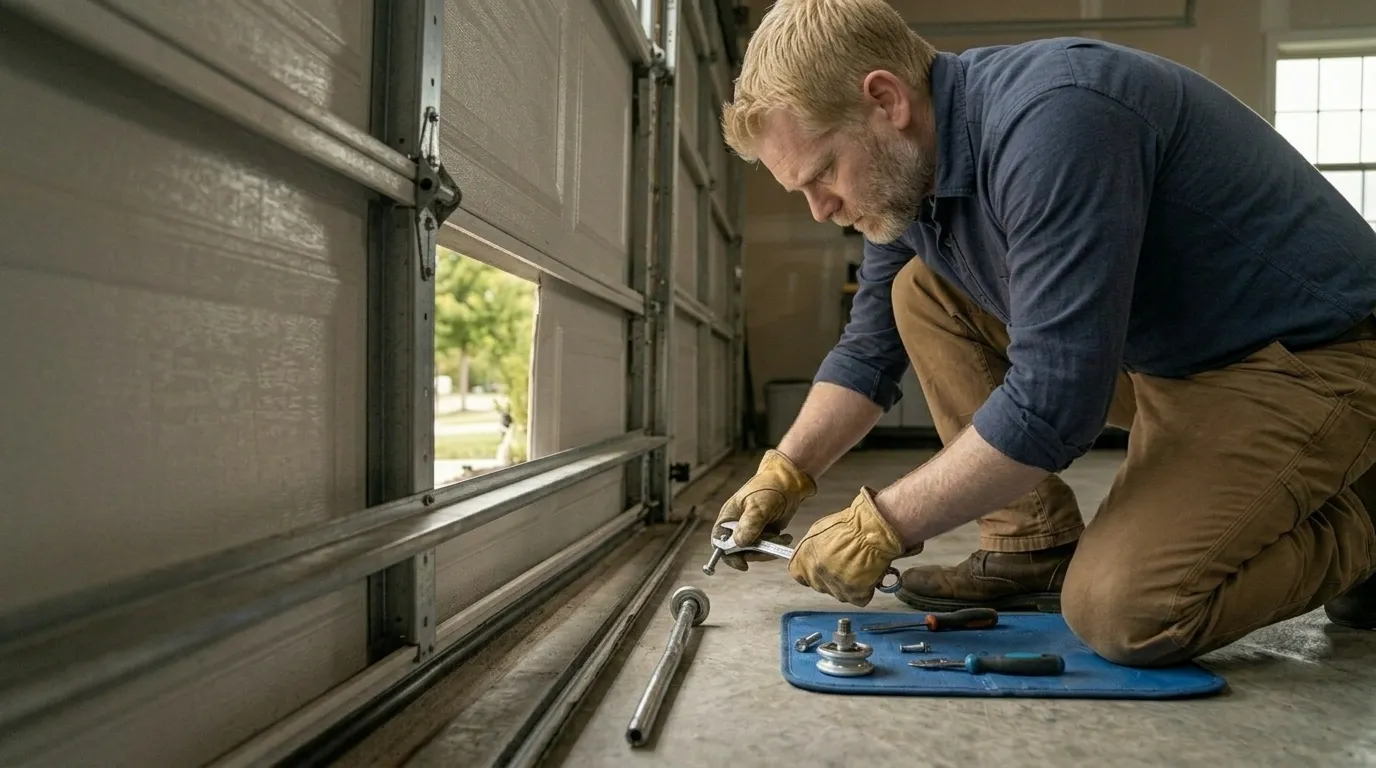
Miami's climate band is mild temperate, not the freeze-thaw cycle that wrecks hardware up north, so the failures we see in Wynwood are almost always wear-driven rather than weather-driven - metal fatigue on springs, rust on cables and rollers from humidity, and worn nylon or steel rollers that have simply logged too many cycles. That's a different diagnosis than what a shop in a colder climate would give you, and it's why we don't reach for cold-weather fixes here.
We don't stock every part for every era of door on the truck - a door built in the 1960s or 70s doesn't always take the same hardware as one from 2005, and if yours needs an odd-sized track bracket or a discontinued spring size, there can be a short wait on the part. We'll tell you that up front rather than promise a same-visit fix we can't back up.
Across the wider service area there are 183,376 owner-occupied houses among 616,237 households, and a median household income of $71,020 - solid, working households, not the kind looking to overspend on a door repair. We price jobs to match: fix what's fixable, replace only what's actually done.
Where This Is
Wynwood sits roughly 2 miles NNE of the center of Miami, tucked between Edgewater and Little Haiti on the map, with Overtown and Downtown Miami close by to the south. It's one of the closer-in neighborhoods we work, which keeps drive time short when a spring lets go on a Tuesday morning and the car's trapped behind a door that won't lift.
We don't have a landmark list for these blocks and we're not going to invent one - you know your own street better than we do. What we can tell you is that the housing pattern here lines up with the broader pattern across the service area's named neighborhoods: mostly mid-century and later construction, meaning original hardware on a lot of doors that have never been touched since install.